
Inside Cosmic Scream: the Melbourne studio chasing a feature

Why an MBA graduate left a career in corporate law to produce films with his brother.
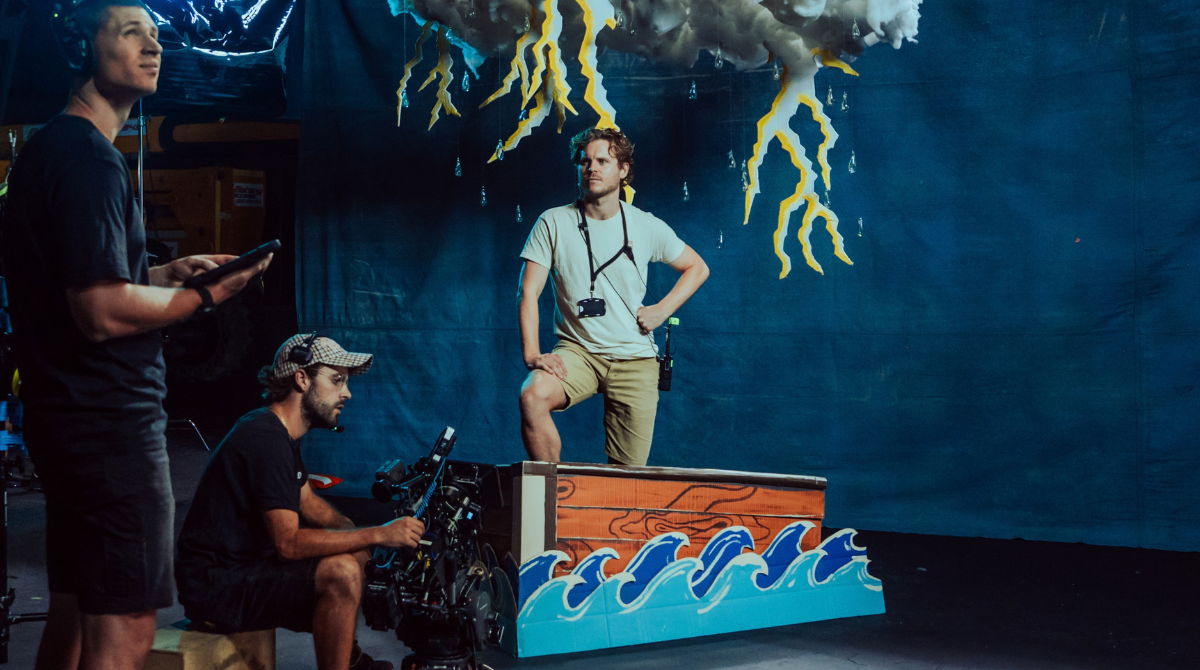
Henry Koehne is currently trying to close the final funding gap on a $4.2 million Australian feature film. A few years ago, he was a corporate lawyer.
For a long time, Henry's career looked exactly like it was supposed to.
His dad ran a business, but Henry remembers being encouraged to do something with steady pay instead. So, he trained as a corporate lawyer, working across commercial roles in retail and property.
Then, near the end of that stint, Henry's father passed away.
"It's one of those things that makes you sit up and think about what you're doing and how you're spending your time," Henry said.
It became the start of a bigger question: whether he could build something of his own like his father had.
It was this curiosity that led him to enrol in Melbourne Business School's Full-time MBA. He needed to learn all the cogs of a business: how to structure a company, raise capital for it, market it and grow it.
Around the same time as when he graduated in 2023, his brother Hugo was developing a film project called Luna. Hugo had met Australian director Aaron Lucas at a filmmaker's lab in Toronto.
Aaron's own experience of losing his father to a brain tumour is what the film was built around. For Henry and his brother, it echoed something in their own life.
Henry calls it a cosmic coincidence.
"Our father passed away from pancreatic cancer when I was 27, and our younger sister was also eight at the time, just like Aaron," he said.
"Aaron's story was deeply personal and something we really connected with," Henry said.
"He's also one of the best emerging directors in Australia. Once I saw what he was working on and understood the vision, I thought: why not work together and help make it happen?"
Becoming a founder
The Full-time MBA gave Henry a way to take the idea seriously. It taught him how a production company could be structured, financed and grown into a viable business.
Together with Hugo and co-founder Jayden Rathsam Hua, he started Cosmic Scream, an independent Australian production company.
In a relatively short time, the studio's short films have screened at every major domestic festival in Australia and at more than 40 international events.
But the big breakthrough will come with their debut feature Luna, which has already received investment from Screen Australia and secured a letter of intent from ICON Film Distribution.
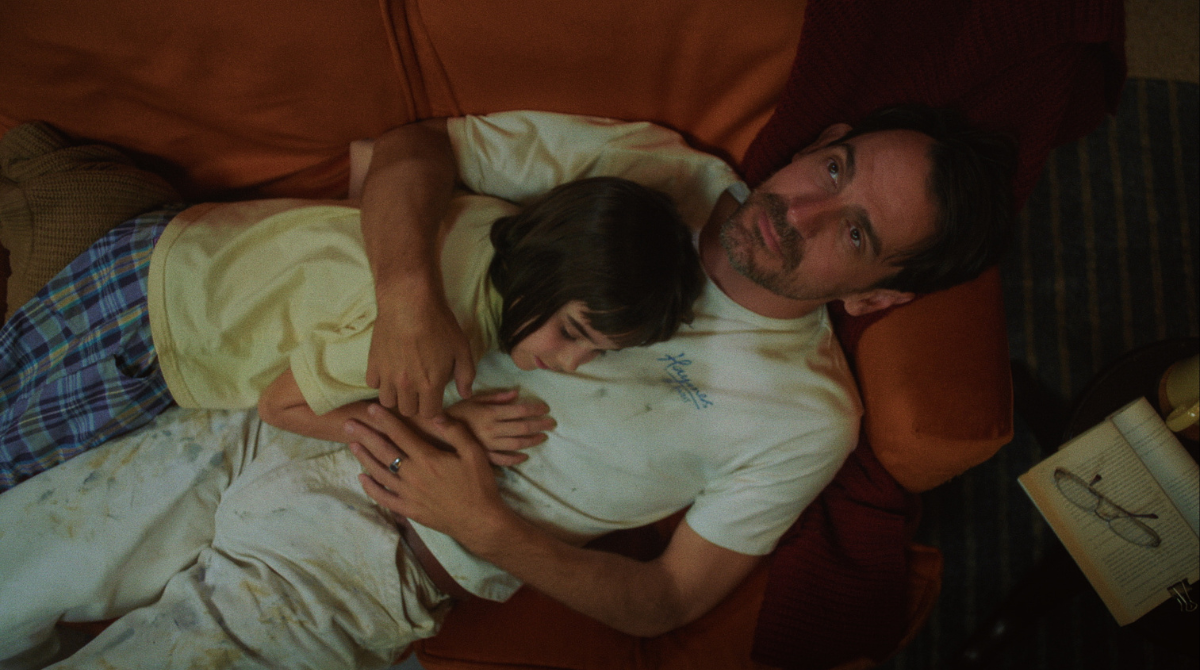
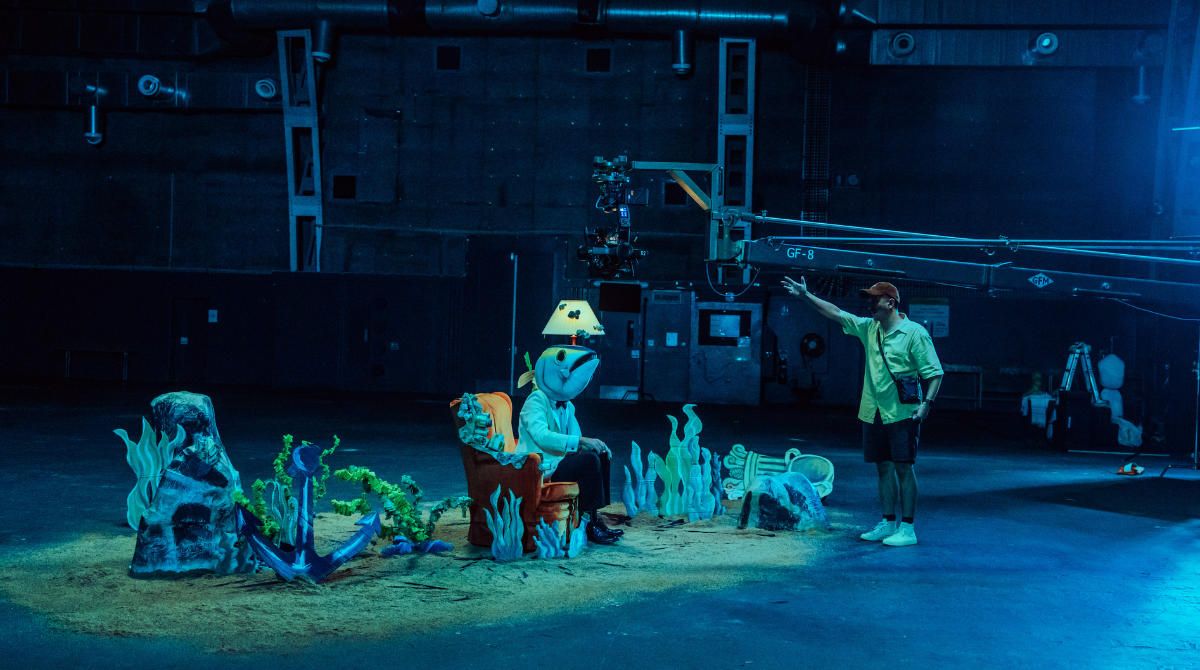
At the centre of Luna is a child's misunderstanding. When a young girl hears that her father has a brain tumour, she imagines a "brain tuna" swimming inside his head. The idea came from writer-director Aaron Lucas's experience of losing his own father.
But there's still a lot more to play out before anything gets made.
"We have raised around 70% of the $4.2 million budget through state and federal grants, investments and tax incentives," Henry said.
"We are seeking the remaining $1 million through private equity, of which $300,000 is committed so far."
Using an MBA for creative pursuits
Henry's story is a great example of Melbourne's business and creative worlds colliding – and it comes just after the Melbourne International Film Festival put our city's screen industry in the spotlight.
It also comes as Victoria continues to invest in screen production. The state has committed $48.7 million to the Victorian Screen Incentive, following a year which generated more than $500 million in direct economic activity and supported 8,000 local jobs.
Part of what makes a project like this possible at all, Henry says, is the way Australia finances film in the first place.
"The great benefit of producing in Australia is extraordinary access to soft money — the producer tax offset, plus state and federal initiatives that really help fill out a finance plan. We're a much smaller market than the US, but we've got world-class studios and world-class practitioners, in production and in post. Like most things in Australia, we punch well above our weight."
Henry explained that his MBA helped him forge his own way in the industry.
He is still one of only a handful from his cohort who chose the entrepreneurial path.
"They were there when I was turning up late to class because I'd been off shooting a short film, so they're continuing to follow the journey and give me advice," Henry said.
"I'm still really close with a lot of my cohort."
Building a production company from scratch is still an ambitious way to make a living. But dozens of festival selections later and a feature film closing in on production, it's starting to look like a plan that worked.
For Henry, the MBA helped him understand how to take the risk.
If the remaining funding is raised, Luna is expected to begin shooting in early 2027.
Photo credit: Ravyna Jassani