
Is AI the answer to Australia’s productivity challenge?

In the Round is an apolitical forum to debate issues with long-term implications for Australia’s prosperity.
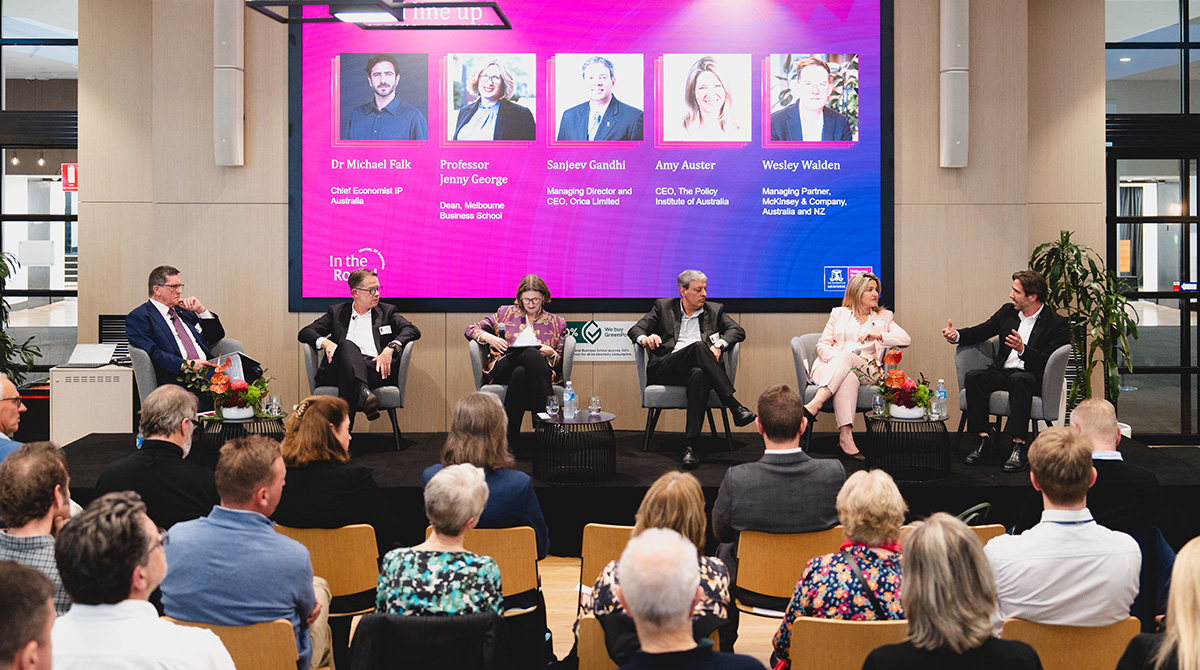
In the Round is an apolitical forum to debate issues with long-term implications for Australia’s prosperity.
Convening different perspectives across policymakers, leading thinkers and business leaders, this on-the-record event is designed to facilitate open critique, share expert insights, address problems, find solutions and help leaders develop a roadmap for the long-term.
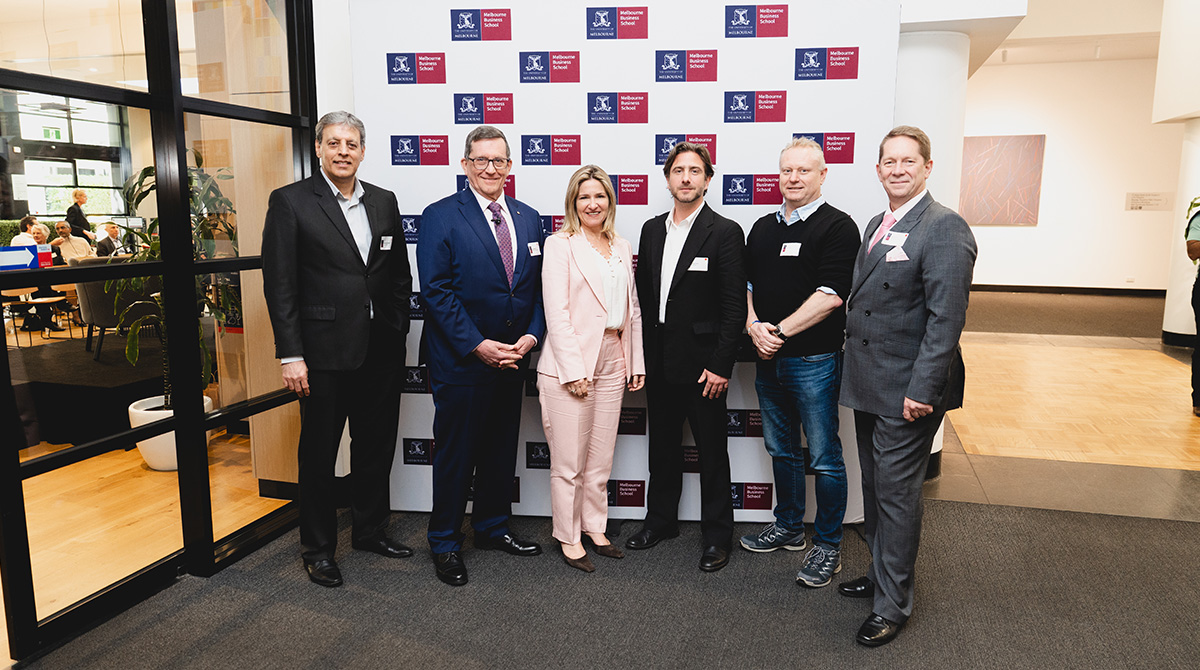
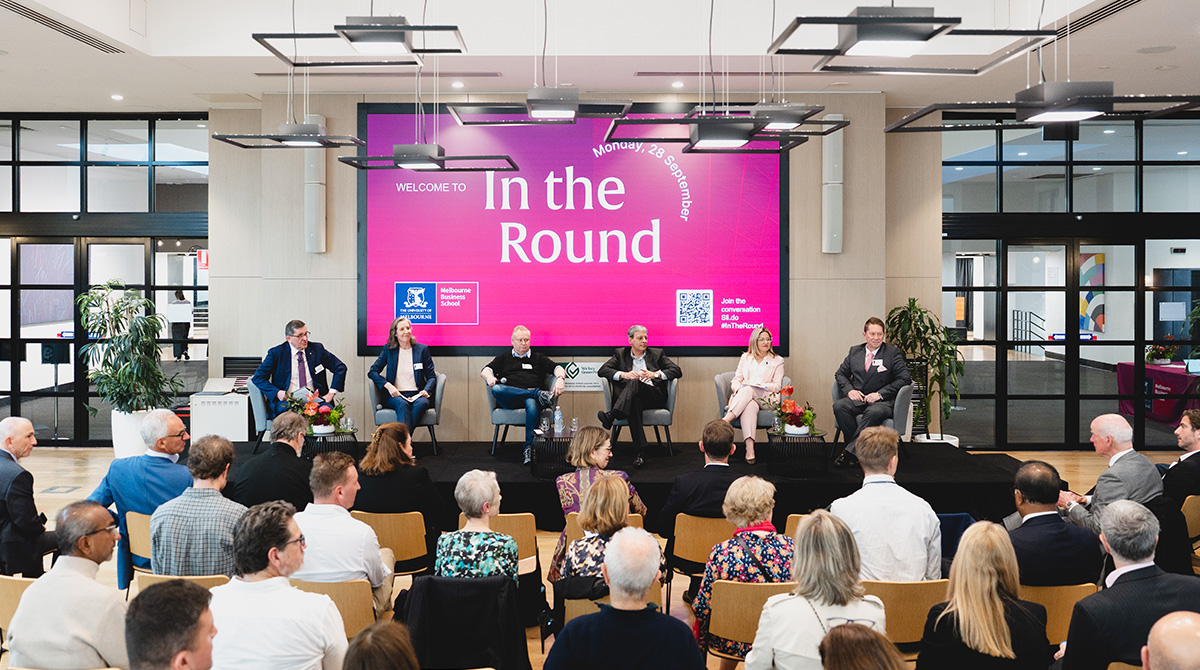
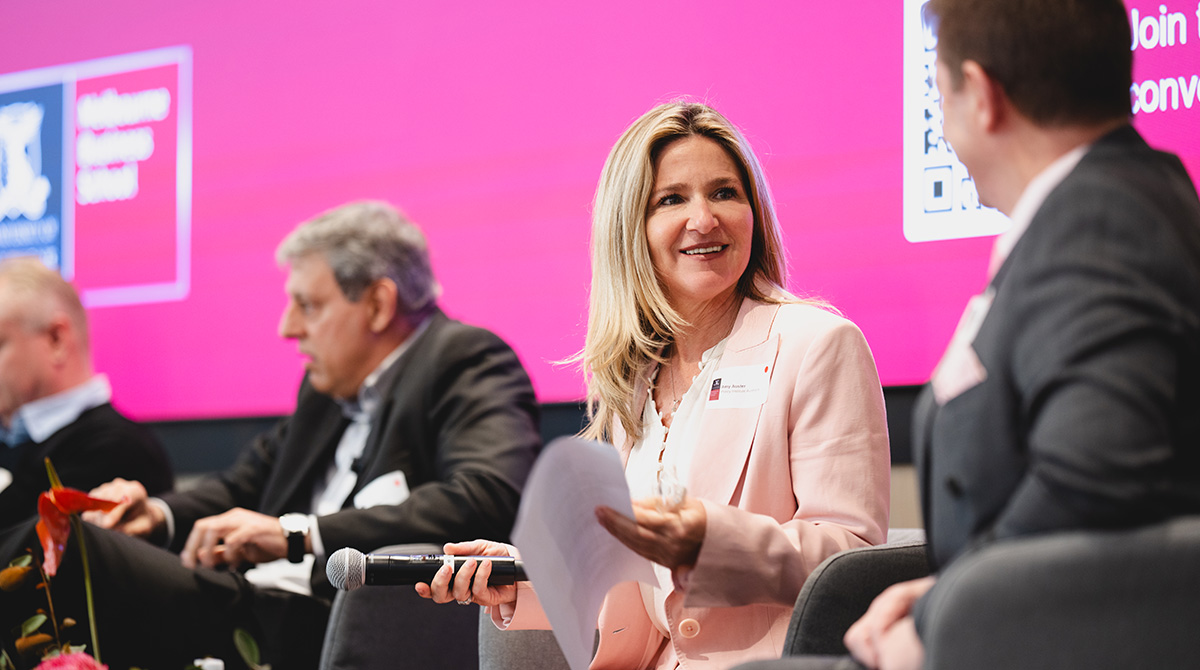
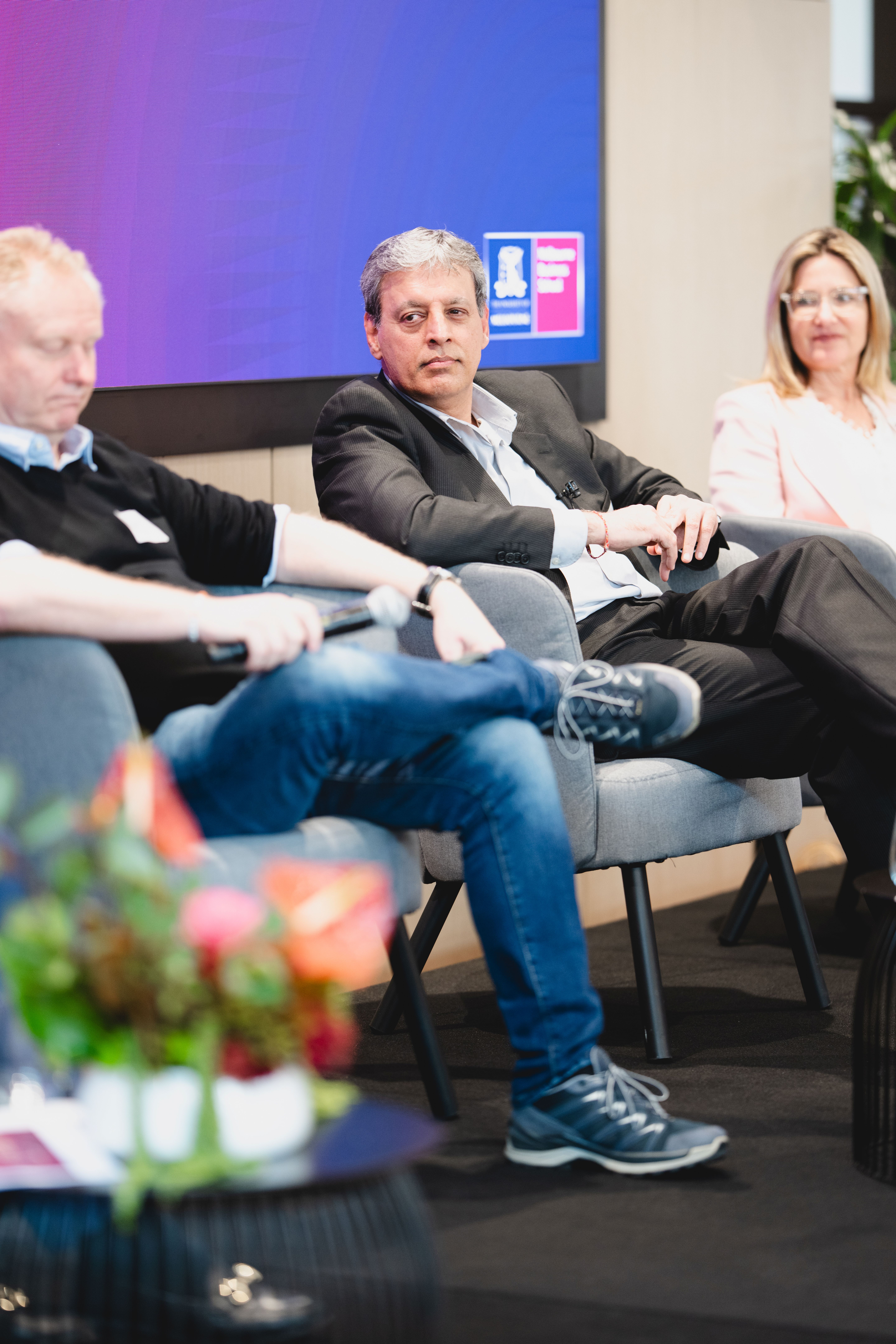
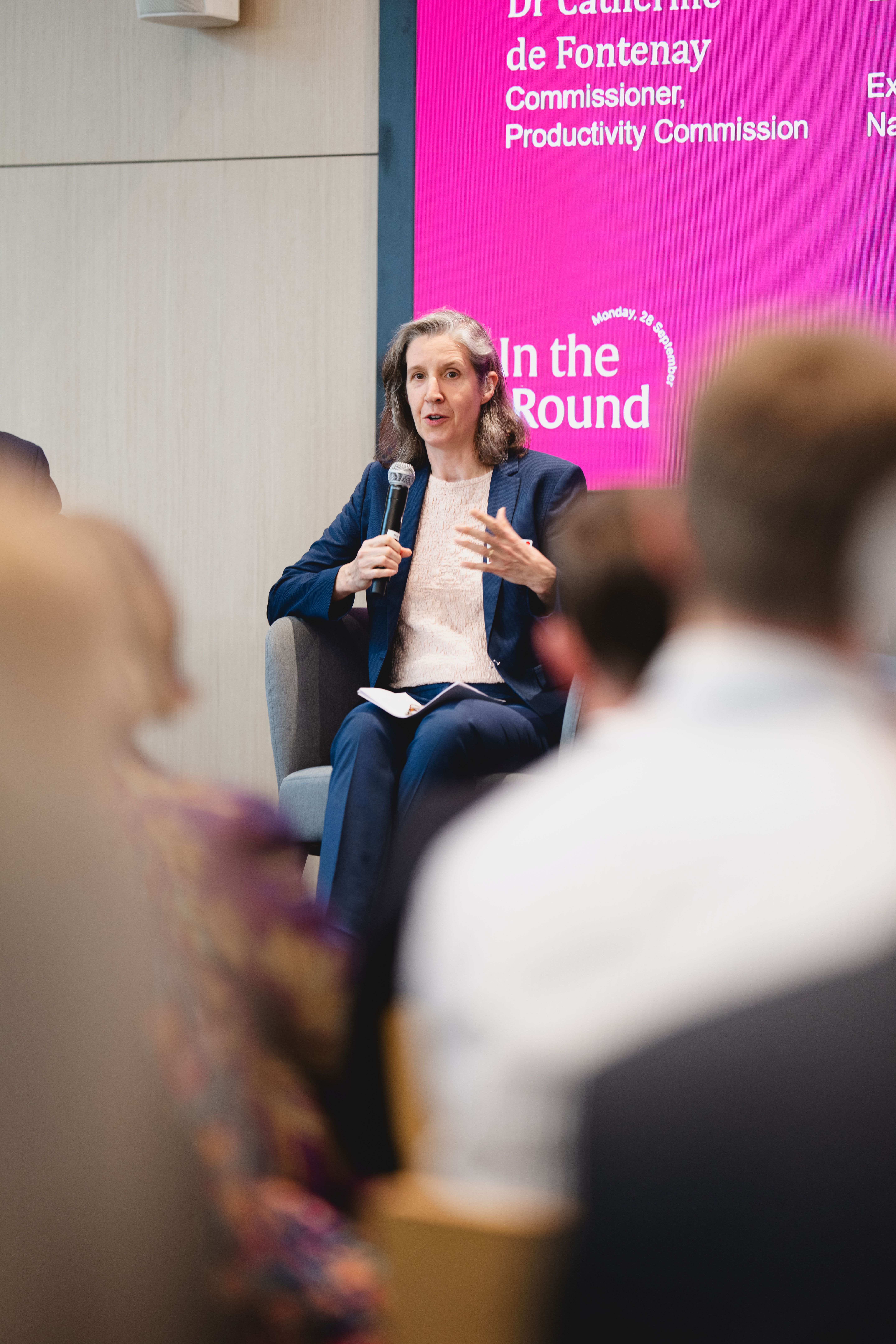
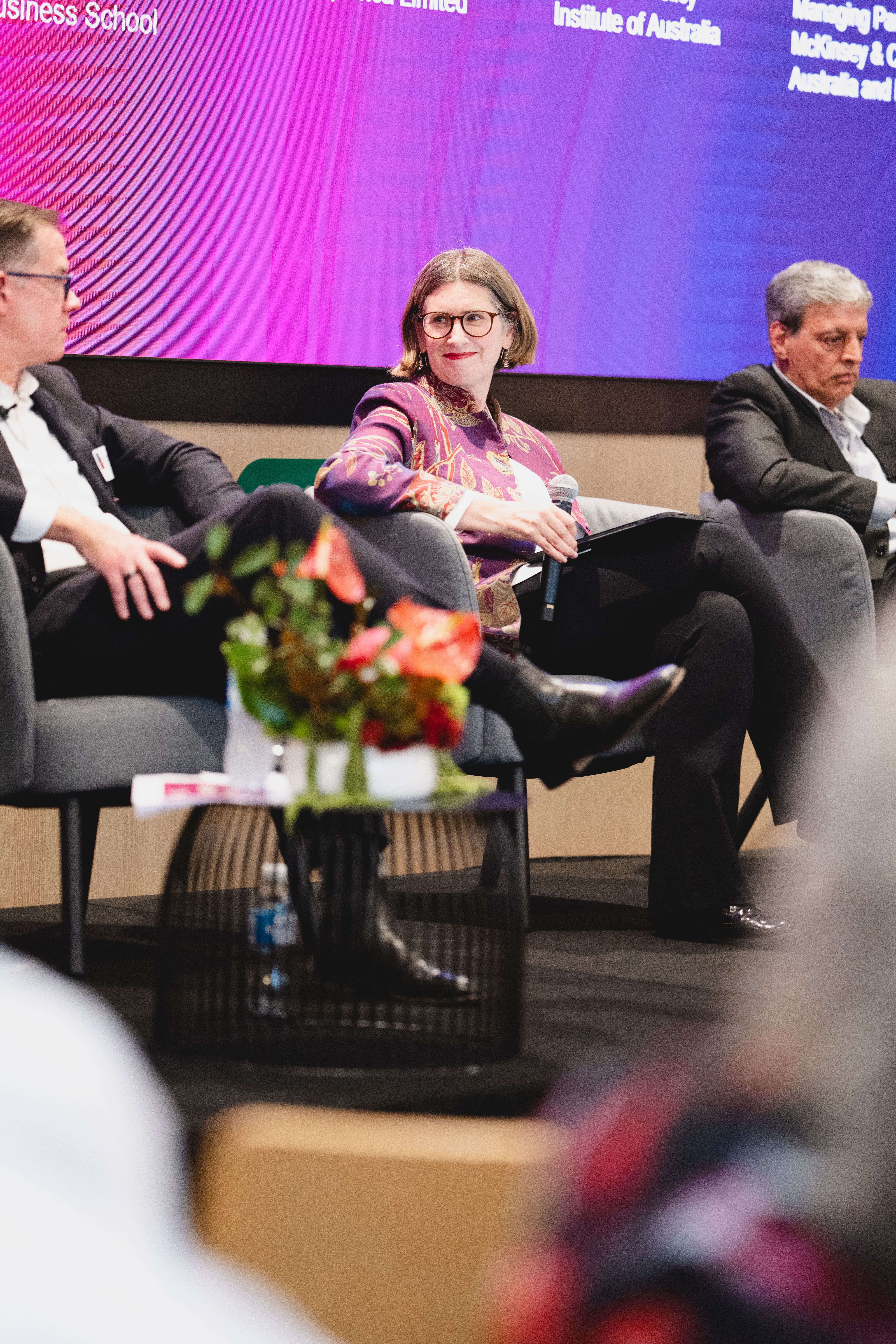
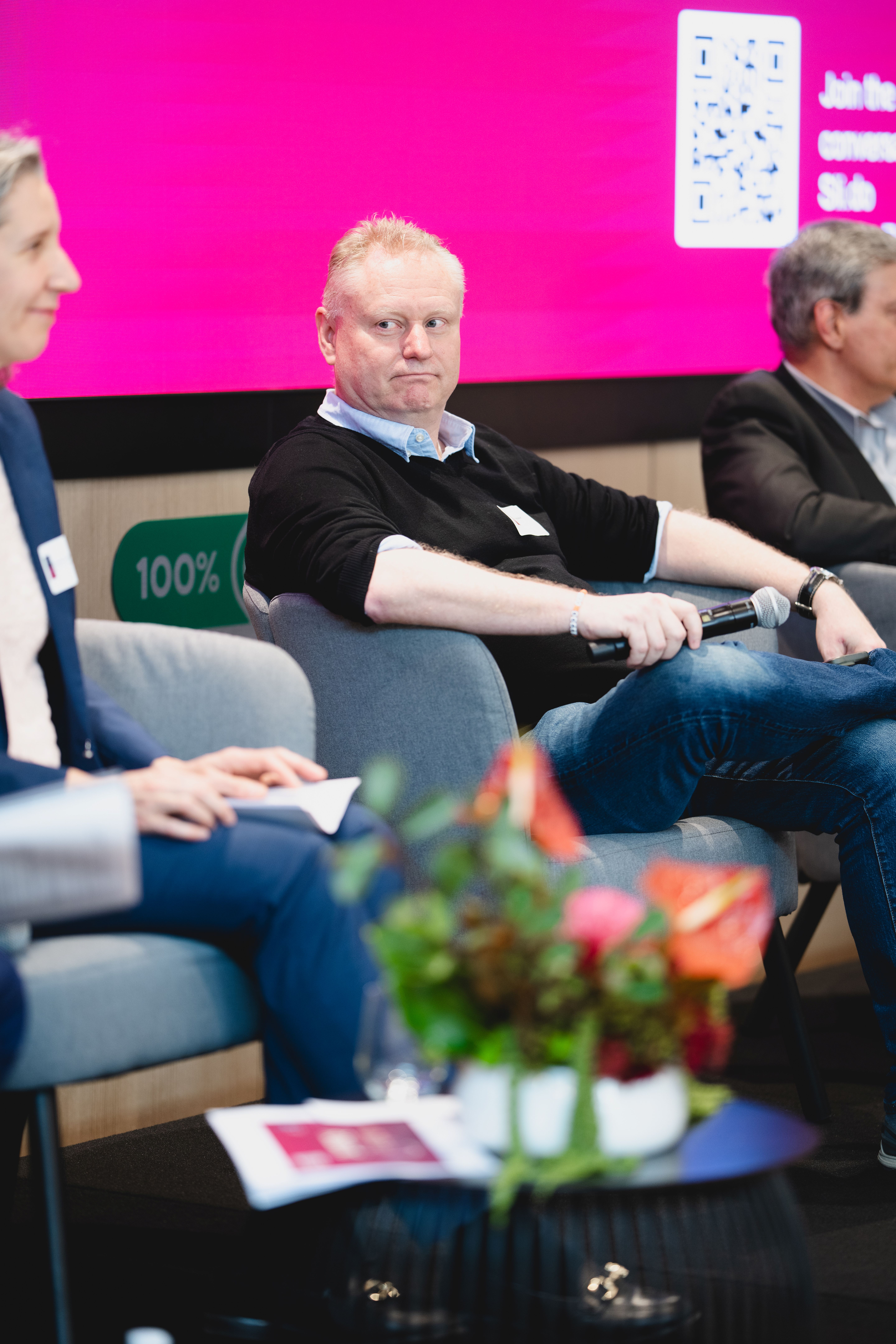
The inaugural event was moderated by Ian Harper AO on 28 September and addressed the question: Is AI the answer to Australia’s productivity challenge?
Panellists:
- Dr Catherine de Fontenay, Commissioner, Productivity Commission
- Lee Hickin, Executive Director, National AI Centre
- Sanjeev Gandhi, Managing Director and CEO, Orica Limited
- Amy Auster, CEO, The Policy Institute of Australia
- Simon Kriss, CEO, Sovereign Australia AI
- Dr Michael Falk, Chief Economist IP Australia
- Wesley Walden, Managing Partner, McKinsey & Company, Australia and NZ
- Professor Jenny George, Dean, Melbourne Business School
Key takeaways
1. Australia’s labour productivity problem is significant, but it doesn’t have to be like this
“Labour productivity has been growing at about 0.4% for the last decade, which is anemic at best. It was three times that high at 1.2% for the previous decade. But it doesn't have to be like this.” - Dr Catherine de Fontenay, Commissioner Productivity Commission.
2. There are multiple drivers behind Australia’s productivity challenge
“We have a bigger service sector... We also have a growth of the non-market sector with health and education and and the incentives are not always there to deliver the same amount of productivity growth as in other parts of the economy. Over time, as we've been a very wealthy country, we have less appetite for reform and making the hard choices.” - Dr Catherine de Fontenay, Commissioner Productivity Commission
3. Construction is a major drag on Australia’s productivity growth
“We've had negative productivity growth in construction over five years, 10 years, maybe over 15 years, down by 1.2% in the past five years while labor productivity has grown 1.2%. So if construction productivity had just been flat, labor market productivity could have been 1.8%. It is a very significant drag and we're not paying enough attention to it." - Amy Auster CEO of the Policy Institute of Australia
4. Large businesses have an increasingly important role to play
"Productivity in an economy is driven by the behavior of large firms. And the evidence suggests that our firms, our large firms, are not contributing to productivity in the way they used to. So, 15 years ago, it was the case that large firms contributed more than half of productivity growth. Now it's down to around 40% and more productivity growth." - Amy Auster CEO of the Policy Institute of Australia
5. Regulation is a significant burden for business leaders
"Regulation and governance are throttling industry. I would say it's even a bit more than 50% of the time that we spend in boards on governance and sign-offs and reporting. They're all well-meaning, but the problem is that the left hand doesn't talk to the right hand. And there's a lot of redundancy, there's a lot of replication and duplication. And it's extremely frustrating. Someone should take a hammer to it.” - Sanjeev Gandhi, Managing Director and CEO, Orica Limited
6. Businesses are incentivised to invest offshore in a global market
"All of our growth, most of our capital investment goes offshore, and more than 60% of our revenue is generated offshore. Those are Australian dollars that should have been invested in this country, but they're going to the United States and to other markets where we feel more welcome in terms of helping us and supporting us and incentivising us to invest." - Sanjeev Gandhi, Managing Director and CEO, Orica Limited
7. Small businesses stand to gain the most from AI
"Small businesses can adapt, move quickly, and integrate technology into their systems. Large businesses struggle to integrate technology. It takes time and it's longer." - Lee Hickin, Executive Director, National AI Centre
8. Efficiency does not equal productivity growth
"If it's just about efficiency, it doesn't translate into growth. When you talk about productivity, they're talking about creating and expanding because too often productivity is used in terms of business efficiency, which is of course very important, but in and of itself doesn't lead to growth." - Amy Auster CEO of the Policy Institute of Australia
9. AI has the potential to add $116 billion to Australia’s GDP over the next decade
"Our estimate is that, in the next decade, artificial intelligence will boost Australia's GDP by about $116 billion, which is a hefty chunk of change. That translates to about a 0.4% increase in labor productivity growth every year." - Dr Catherine de Fontenay, Commissioner Productivity Commission.
10. Australia should be both an adopter and a builder of AI
"The productivity and economic benefits of AI will come from diffusion. The use of it, implementing it deeply into your processes and the things you do creates a positive improvement in what you do with your time. But also building it here in the country, building models, infrastructure, solutions, capability, contributing research and science, building a pathway through education. That creates resilience as a nation." - Lee Hickin, Executive Director, National AI Centre
11. Australia should exploit its domain expertise & copy the rest
"The health system that we operate in this country is pretty sophisticated compared to other parts of the world; our pension system is world-class. We should do everything we can to protect and monetise that domain expertise. And then for everything else that we are not good at, you copy with pride." - Sanjeev Gandhi, Managing Director and CEO, Orica Limited
12. Australia doesn't need sovereignty in all aspects of AI
"Should we be building frontier level models? Absolutely not. Why would we be spending $30 billion to try and compete with someone who is miles ahead of us? I think the future for Australia, and the 28 other nations around the world that have already started building or have deployed sovereign language capability, is small models that are really good at the job they do." - Simon Kriss, CEO, Sovereign Australia AI
13. AI could be a powerful tool for innovation
"AI is going to make frontier knowledge available to a much wider set of firms and users who can use that to innovate and solve complex problems. And that is potentially a very powerful force for innovation in our economy that could influence competition very positively." - Dr Michael Falk, Chief Economist IP Australia
14. Productivity growth requires heavy capital investment
"Productivity growth is very heavily driven by capital investment. And if you look at where we are at the moment in terms of our market-based capital investment in Australia, I think there's a percentage of GDP we're seeing at levels that are around about where we were in the 1990s. Growth levels in between 1.6% and 1.8%. At the moment, roughly, we're sitting at about $400 million worth of market-based capital investment." - Wesley Walden, Managing Partner, McKinsey & Company, Australia and NZ
15. Individuals are good at experimenting with AI but institutions aren't
"Australians are very good individually at experimenting, but we haven't yet put it together into more productive ways of embedding either in our government and public institutions or even in our companies." - Jenny George, Dean, Melbourne Business School
16. Australia must make it easier to build and invest
“We need to make sure that we're regulating the things that genuinely need to be regulated, but at the same time creating an environment where businesses can experiment, invest and build. If we make it too difficult to do things in Australia, then businesses will find other places to do them. AI is going to require enormous amounts of infrastructure, and if we can't build that infrastructure efficiently, then we're going to constrain the opportunity.” - Wesley Walden, Managing Partner, McKinsey & Company, Australia and NZ
17. Young people will be best placed to adapt to AI
"We find that young people are relatively adaptable. They adjust what they're going to study. So what we need to be looking at is how we can ensure that mid-career workers are upskilling are embracing these new changes, and are moving with this technological revolution instead of being left behind. So I do think that the conversation needs to be a little bit rejigged because maybe the anxiety is focused on the wrong group." - Dr Catherine de Fontenay, Commissioner Productivity Commission.

Degree Programs
Whatever your career stage or aspirations, we have a program to suit your needs and develop your capabilities.

For Organisations
Discover learning solutions for your organisation to unleash the power of your people.

Institute for Digital Innovation & AI
Institute for Digital Innovation and AI (IDIA): Connecting research and practice in AI and digital innovation.

