
Global Leadership in an Age of Disruption
Location: Melbourne Business School, Carlton, Melbourne Date: Friday 16 October, 5.30 pm – Sunday 18 October 2026, 1.30 pm Cost: $3,000 (20% discount for MBS Alumni and Financial Times Subscribers)

Australia’s place in a changing world.
A leadership weekend from Melbourne Business School and the Financial Times.
Global Leadership in an Age of Disruption
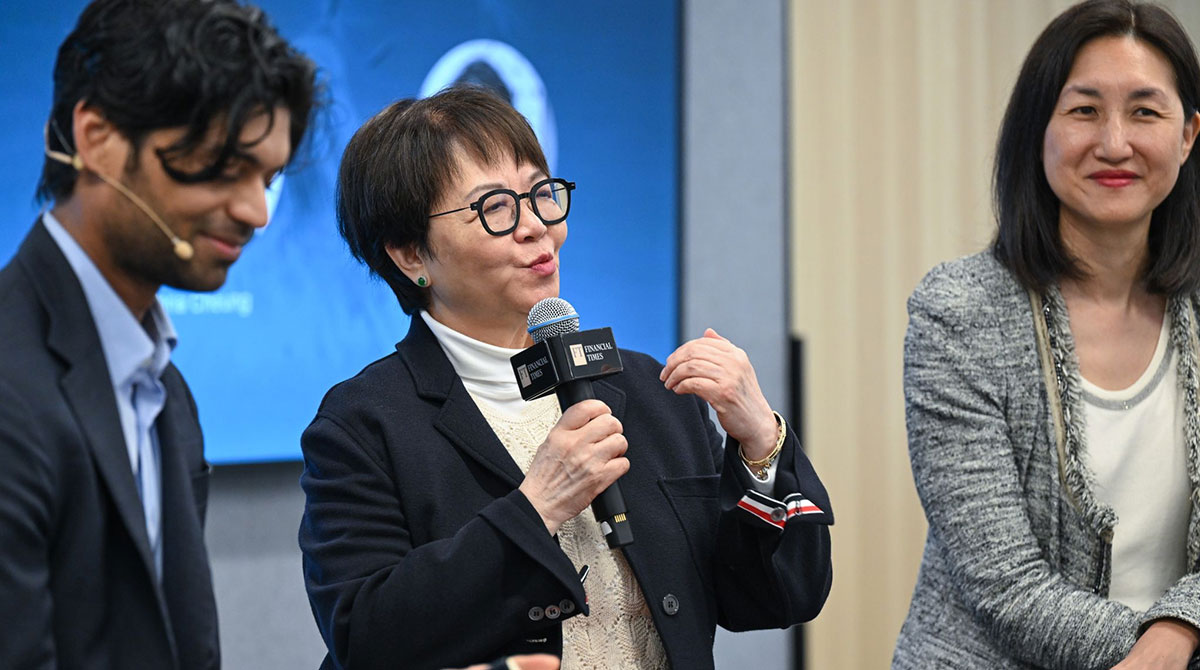
Step away from the day-to-day and join a select group of senior leaders for a weekend of informed perspective, candid discussion and connection.
Developed jointly by Melbourne Business School and the Financial Times, this immersive experience examines the geopolitical, technological and demographic forces reshaping Australia’s future - and what they mean for enterprise strategy, resilience and growth.
Why This Conversation Matters Now
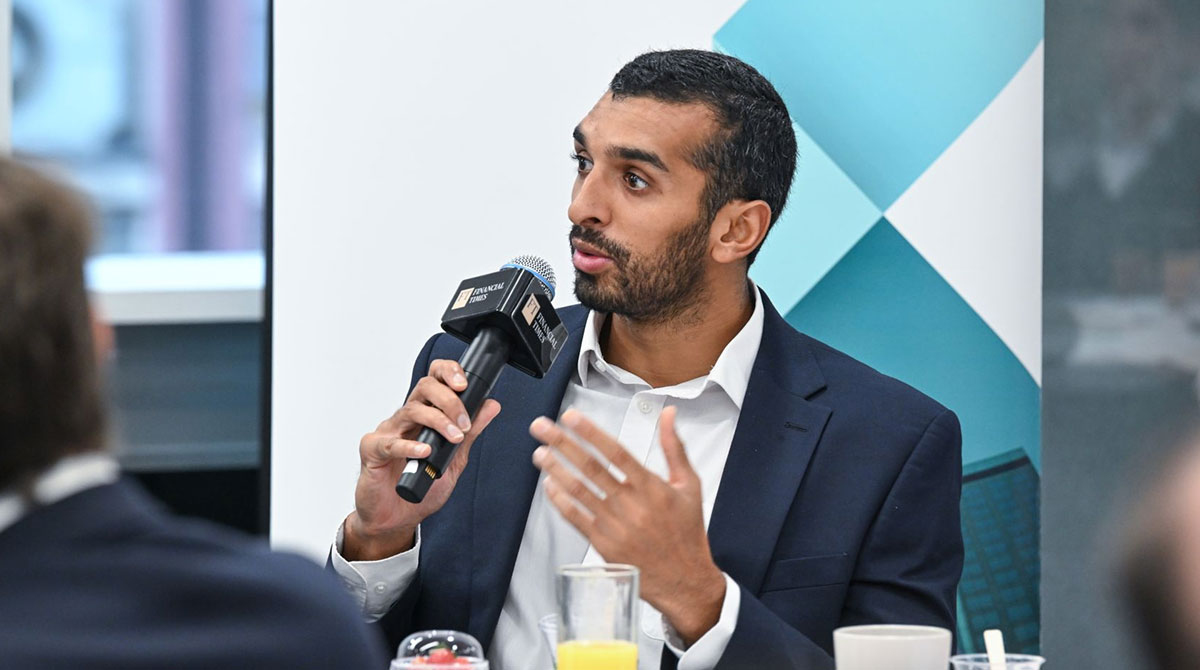
Australia’s choices are becoming more consequential. Trade relationships and supply chains are being redrawn. Artificial intelligence is reshaping productivity, competition and business models.
Ageing populations and changing expectations are transforming the workforce. At the same time, economic growth, capital and innovation are shifting across the Indo-Pacific. This weekend asks how Australian organisations can interpret these changes early, manage the risks and position themselves to compete, contribute and grow.
The Weekend Experience
Questions The Weekend Will Explore
Australia’s Strategic Position
Demography, Talent And The Future Of Work
Geopolitics And Strategic Resilience
Technology And Competitive Advantage
Not a conference and not a conventional short course
The weekend combines Financial Times journalism, Melbourne Business School expertise, senior business and policy voices, and candid peer dialogue.
Discussions under the Chatham House Rule - and without FT or external media coverage - create the conditions for frank exchange, reflection and connection among a highly engaged senior cohort.
Who Should Attend Global Leadership in an Age of Disruption
Senior Executives, Business Leaders and Emerging C-suite
- Senior executives, business leaders and emerging C-suite decision-makers responsible for enterprise-level strategy across Australia and Asia. The weekend will be particularly relevant for leaders accountable for strategy, risk, international growth, technology, workforce or organisational transformation.
Global Leadership in an Age of Disruption Key Takeaways
Participants Will Leave With
- A clearer perspective on the forces reshaping Australia and the global economy
- A tested view of the implications for their organisation.
- Practical priorities for resilience, competitiveness and growth.
- New connections with peers facing comparable strategic choices.
Global Leadership in an Age of Disruption Speakers
Learn from Financial Times journalists, international and Australian experts, senior business and policy leaders, and Melbourne Business School faculty.
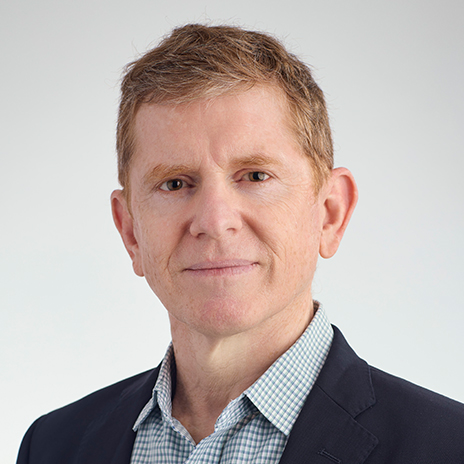
Joe Leahy
Beijing bureau chief, Financial Times
Joe Leahy is the Financial Times' Beijing bureau chief. He was previously Asia news editor and served as regional correspondent in Brazil, Mumbai and Hong Kong. Prior to joining the FT, he spent seven years reporting from Indonesia. Leahy won “Journalist of the Year” at the Society of Publishers in Asia awards in 2009 and was joint winner of SOPA's Excellence in Journalistic Innovation award in 2024 for investigative reporting.
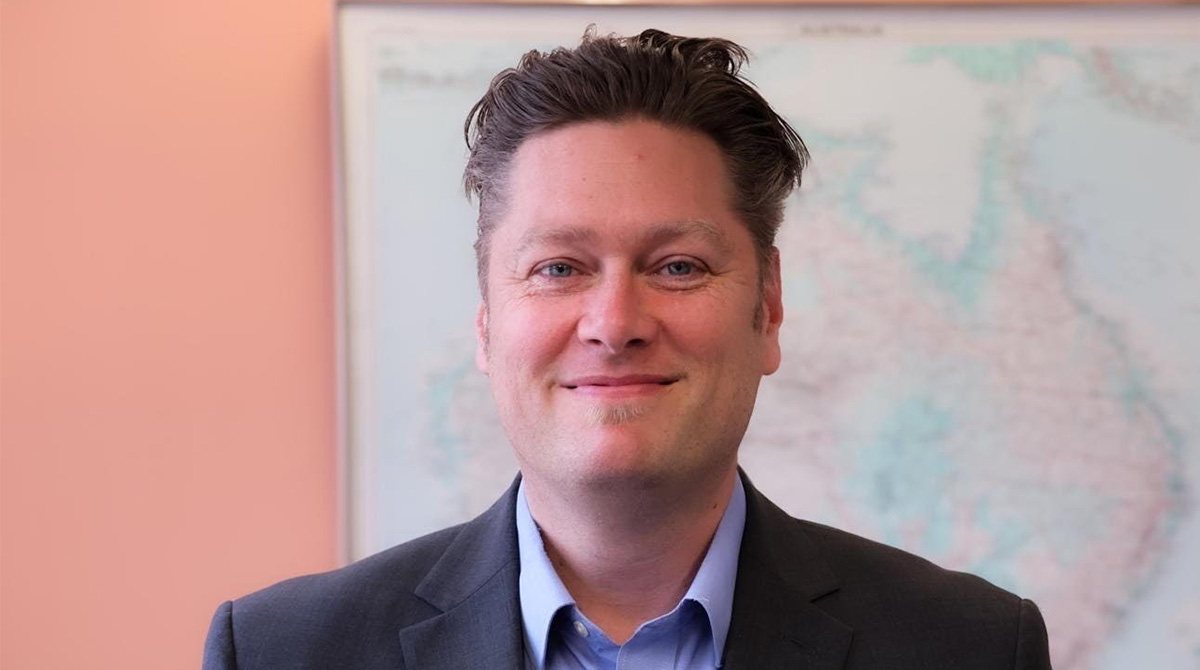
Nic Fildes
Australia and Pacific correspondent, Financial Times
Nic Fildes covers Australia, New Zealand and the Pacific for the Financial Times. Based in Sydney, he reports on the business, policy and regional developments shaping Australia’s economy and international position. He previously served as the FT’s telecommunications and UK technology correspondent in London.
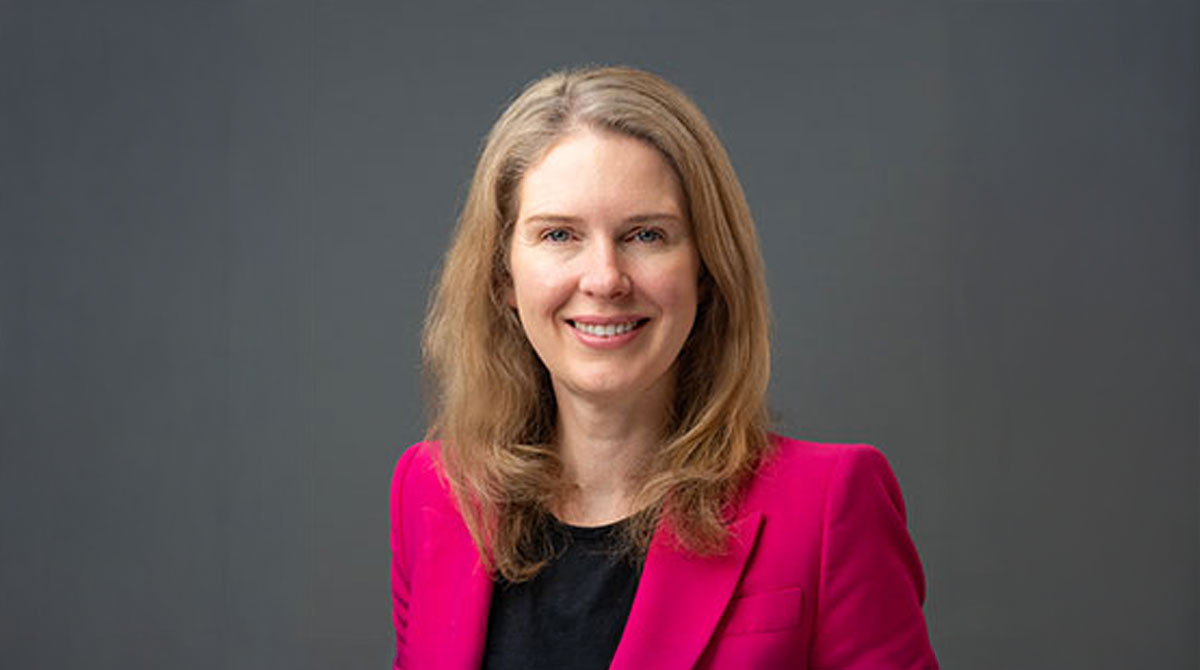
Danielle Wood
Chair, Productivity Commission
Danielle Wood has chaired the Productivity Commission since November 2023. Previously Chief Executive Officer of the Grattan Institute, she is one of Australia’s leading voices on productivity, economic reform and public policy, with earlier senior roles at the Australian Competition and Consumer Commission and NERA Economic Consulting.
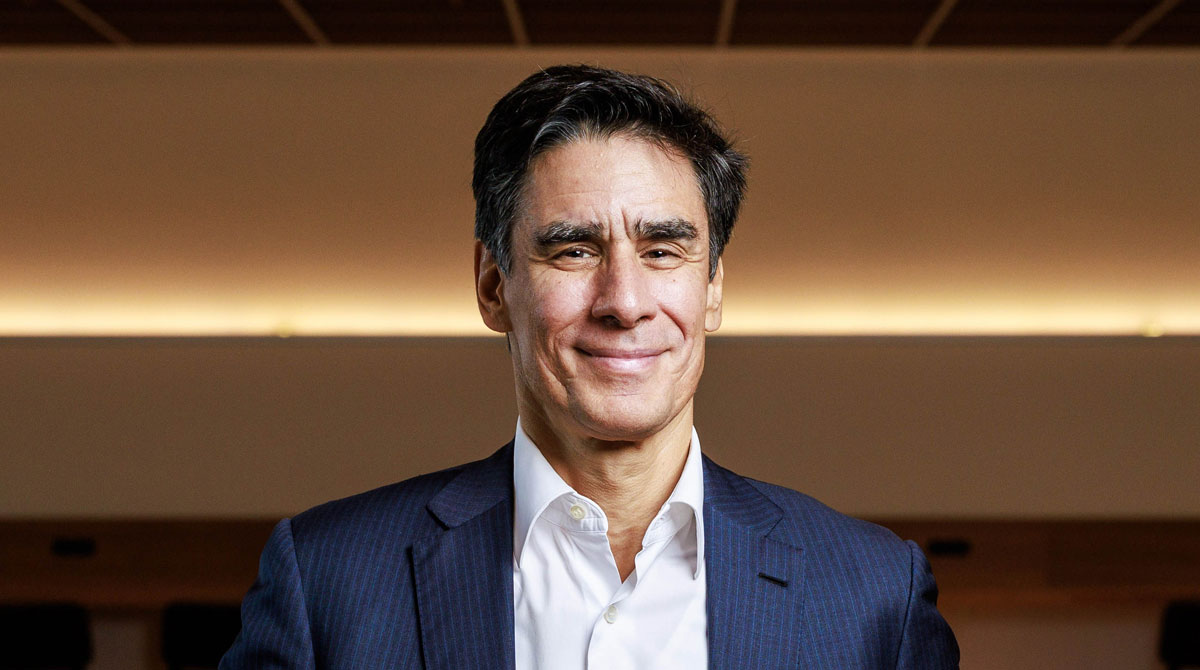
Nuno Matos
Chief Executive Officer, ANZ
Nuno Matos is Chief Executive Officer of ANZ. An international banker who has lived and worked in 10 countries, he brings more than three decades of global leadership experience across retail, commercial and institutional banking. Having led businesses through periods of significant economic and technological change, he offers a unique perspective on the opportunities and challenges shaping business and leadership as well as Australia's role in the global economy.
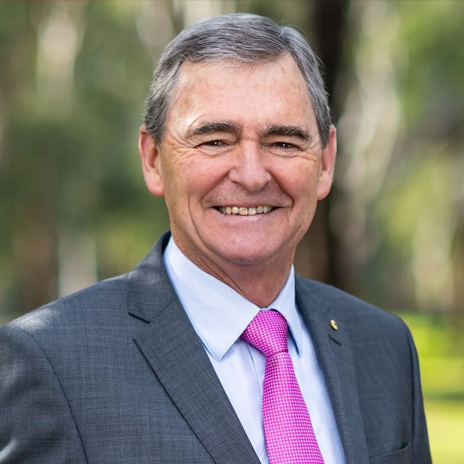
The Hon John Brumby AO
Chancellor, La Trobe University; former Premier of Victoria
John Brumby AO is Chancellor of La Trobe University and a former Premier and Treasurer of Victoria. His career spans public policy, economic management, higher education, medical biotechnology and regional development, bringing a long-term perspective on the forces shaping Victoria and Australia.
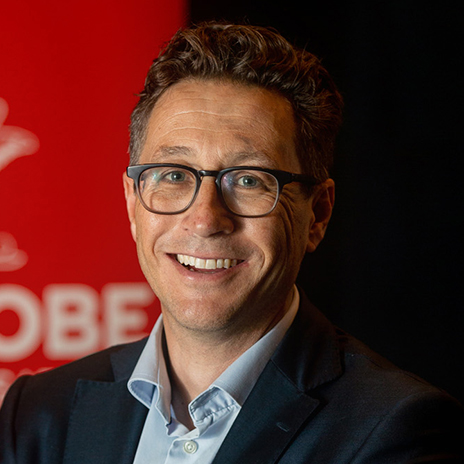
Professor Nick Bisley
Pro Vice-Chancellor (Research) and Professor of International Relations, La Trobe University
Nick Bisley is Pro Vice-Chancellor (Research) and Professor of International Relations at La Trobe University. A leading expert on Asia’s international relations and Indo-Pacific security, he co-chairs the Australian Member Committee of the Council for Security Cooperation in the Asia Pacific and formerly edited the Australian Journal of International Affairs.
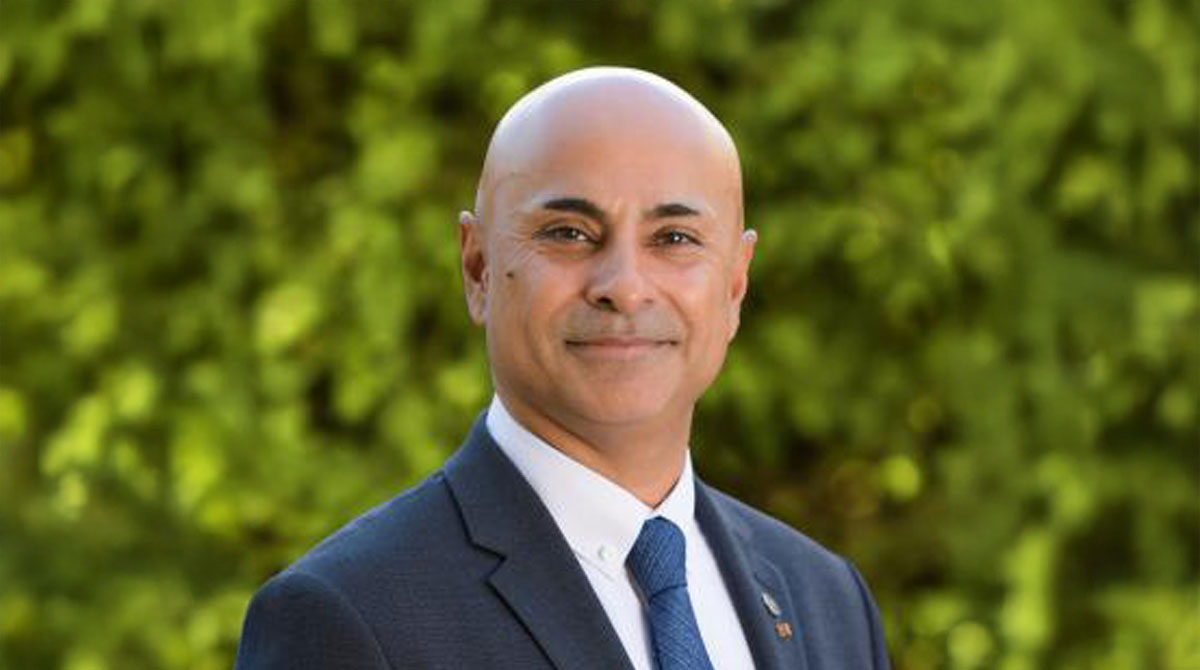
Dr Sanjeev Khagram
Distinguished Research Fellow, Hoover Institution; Foundation Professor, Thunderbird School of Global Management
Sanjeev Khagram is a Distinguished Research Fellow at the Hoover Institution, where he leads the Global Resilience, Intelligence Platform and Partnership. He is also Foundation Professor at Thunderbird School of Global Management and previously served as its Chief Executive Officer, Director-General and Dean.
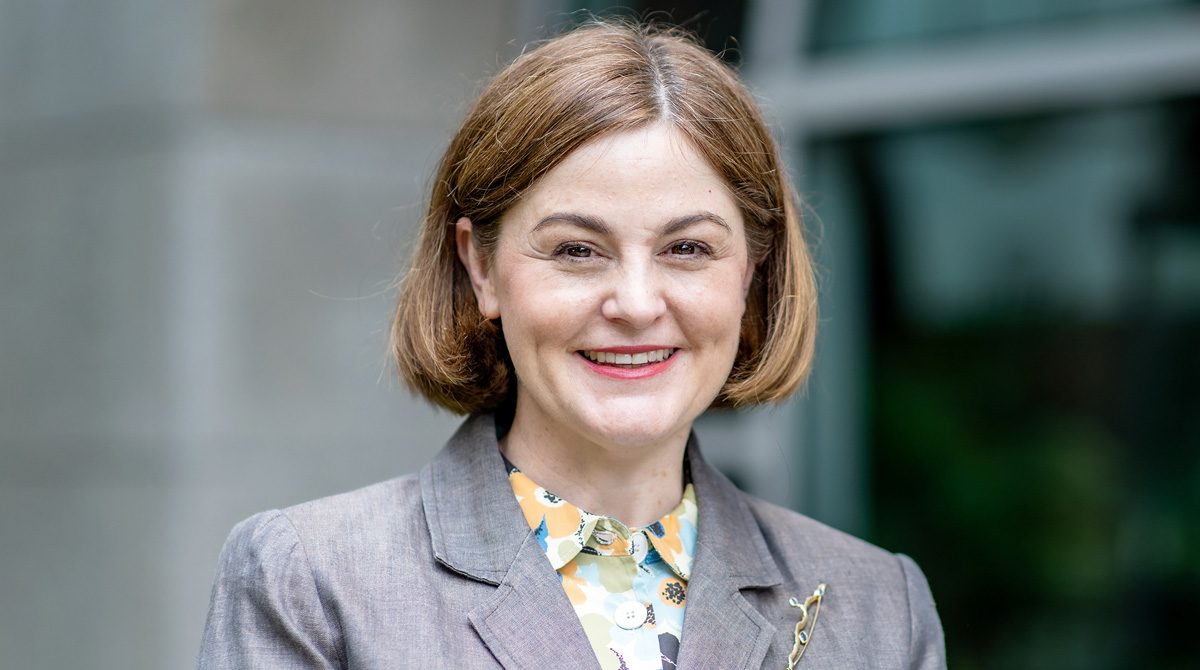
Rachel Thompson
Chief Executive Officer, Asialink
Rachel Thompson brings more than two decades of experience in economic policy, international development finance and regional diplomacy, having previously served on the Board of Directors of the Asian Development Bank and as Senior Treasury Representative at the Australian Embassy in Beijing. Her career has focused on strengthening Australia's economic and strategic partnerships across Asia and the Pacific, bringing deep regional expertise and leadership to Australia's engagement with the Indo-Pacific
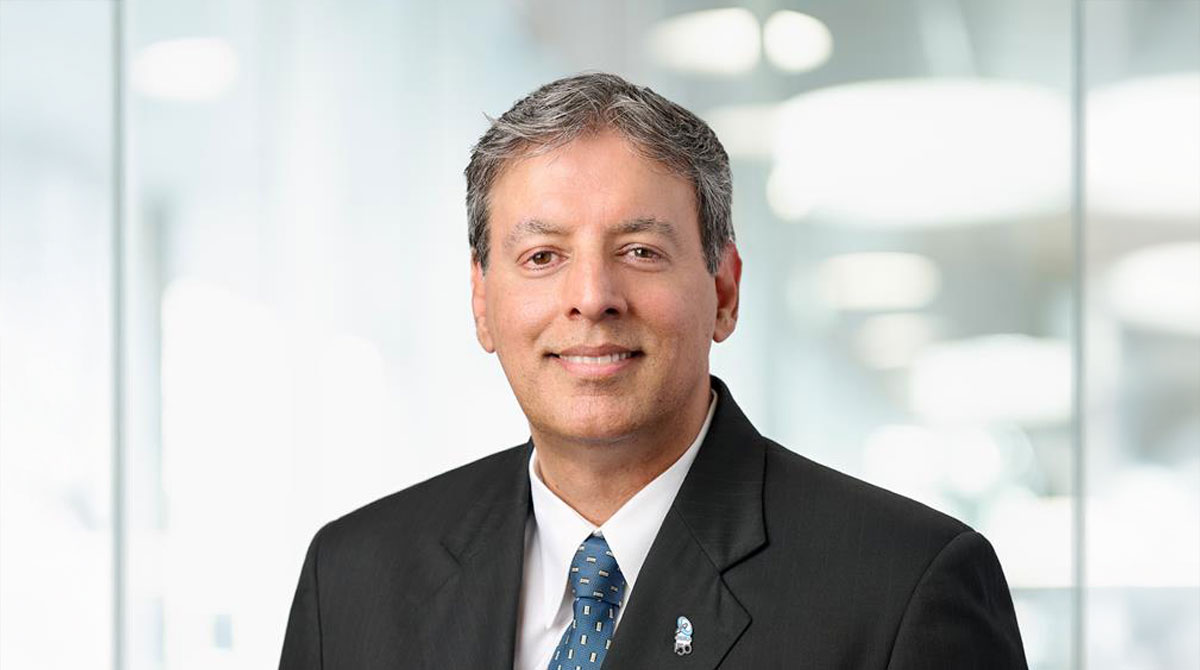
Sanjeev Gandhi
Managing Director and Chief Executive Officer, Orica
Sanjeev Gandhi has served as Managing Director and Chief Executive Officer of Orica since April 2021. Previously an Executive Director of BASF SE, he held senior business leadership roles across Asia Pacific and global chemicals. He also chairs the Centre for Australia-India Relations CEO Network.
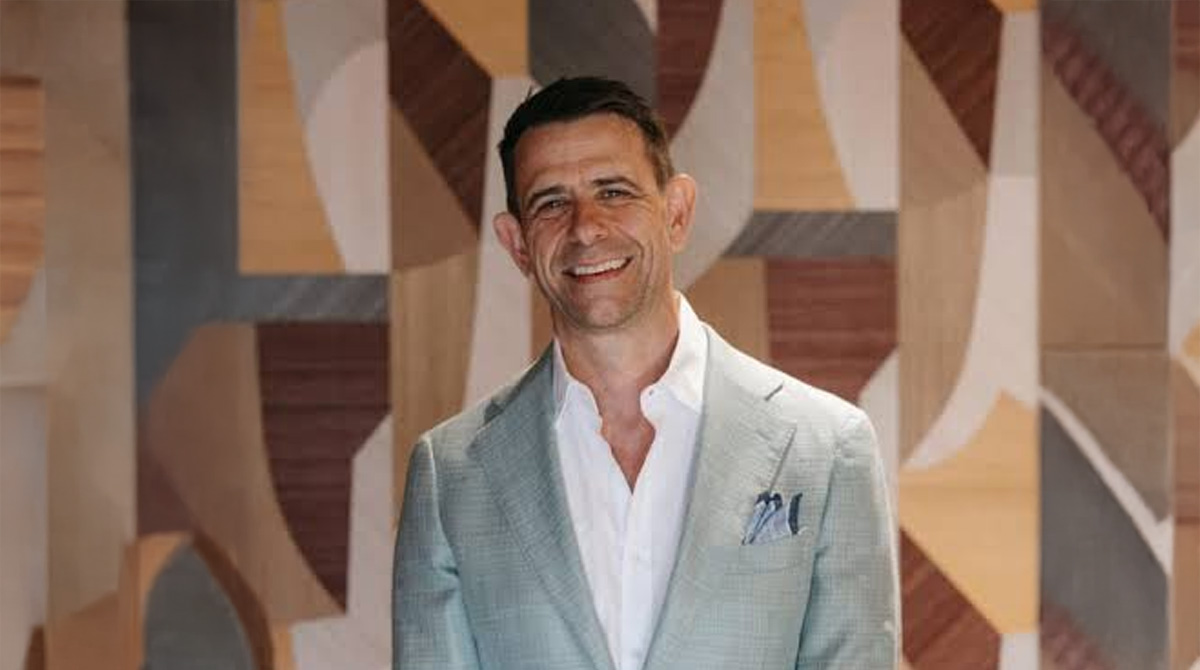
Dr Sean Gallagher
Founder of Humanova
Dr Sean Gallagher is Founder of Humanova, an AI workforce consultancy, and a leading expert on the future of work and organisational AI capability. Previously Director of Swinburne University’s Centre for the New Workforce, he led national research into how technology is reshaping work, skills and organisations. He has advised boards and executives at QBE, ANZ, AMP, Mirvac and Westpac, and sits on the Australian HR Institute’s Future of Work Advisory Panel. Sean’s work focuses on helping leaders navigate AI-driven workforce transformation and build the capabilities needed for the future of work.
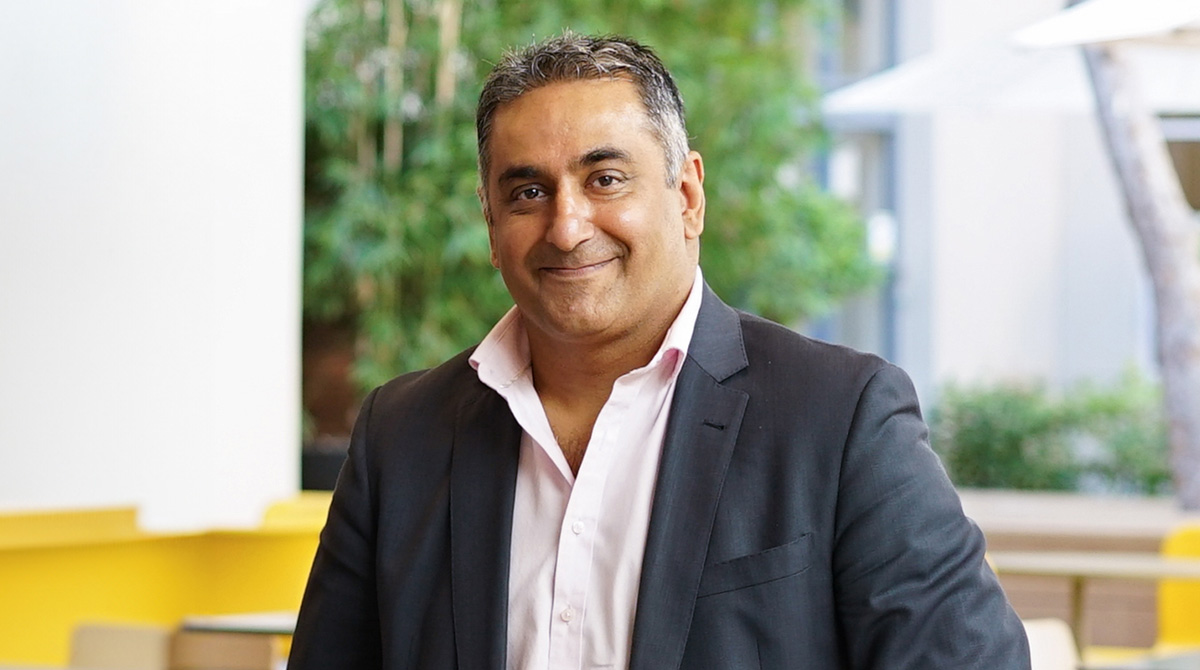
Associate Professor Vivek Chaudhri
Associate Professor of Strategy, Melbourne Business School
Vivek Chaudhri is Associate Professor of Strategy at Melbourne Business School. His research and teaching span policy, strategy and organisational performance. He has held academic and research roles at Yale, UCLA, Monash University and the Productivity Commission, and previously advised the Chief Executive Officer of CSL.
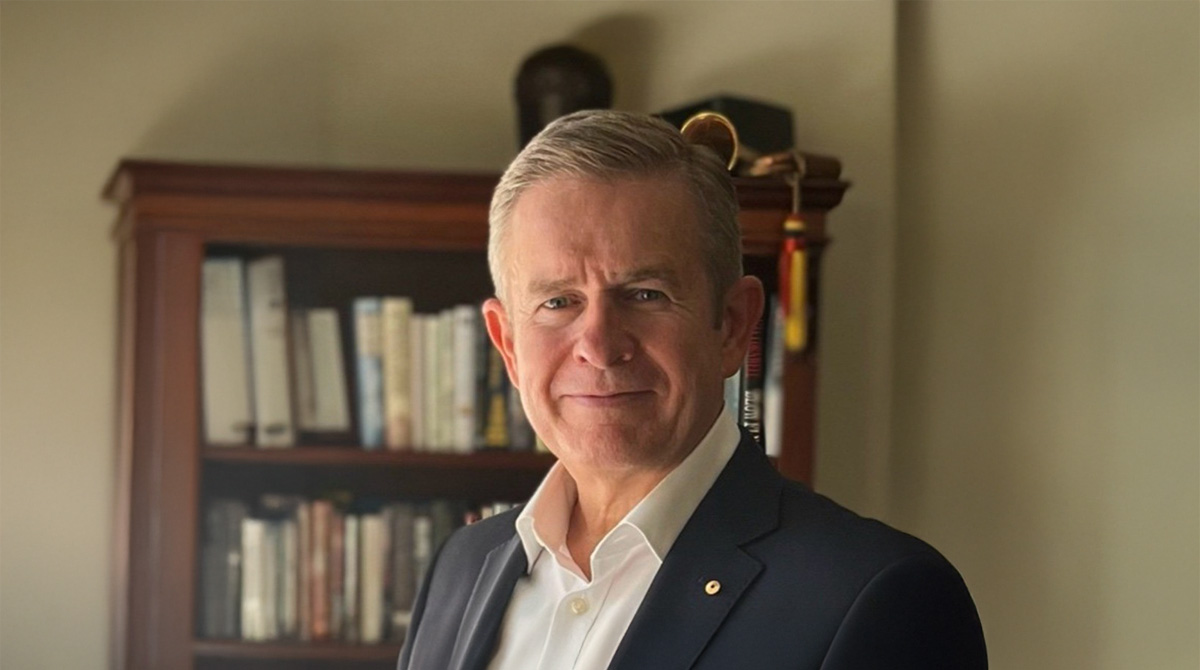
Andrew Bottrell AO
Chair Shrine of Remembrance Board of Trustees, Senior Defence and National Security Leader Australian Defence Force.
Major General (Retd) Andrew Bottrell AO is Chair of the Shrine of Remembrance Board of Trustees and a senior defence and national security leader with more than 39 years of service in the Australian Defence Force. He has held senior leadership roles including Head of Land Systems and Commander of the Joint Agency Task Force for Operation Sovereign Borders, and served on operations in East Timor, Iraq and Afghanistan. Andrew’s career spans Defence, government, industry and higher education, bringing extensive experience in strategic leadership, capability development and national security.
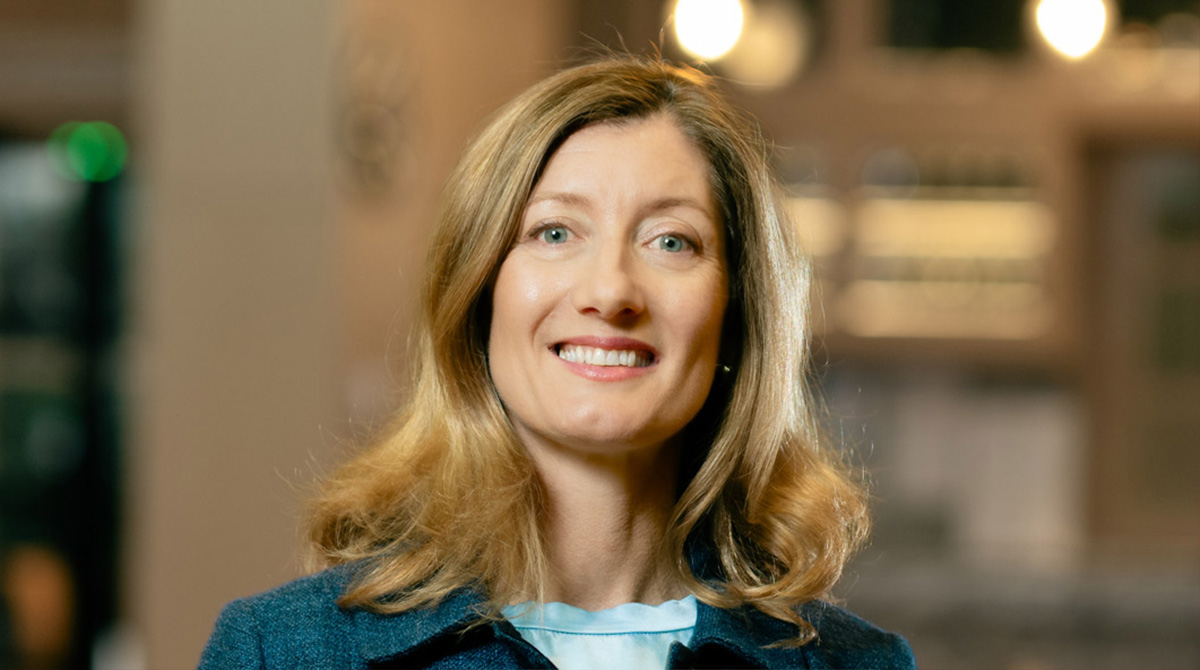
Professor Nicole Gillespie
Chair of Trust and Professor of Management, Melbourne Business School
Nicole Gillespie is Chair of Trust and Professor of Management at Melbourne Business School and the University of Melbourne. An internationally recognised expert on trust in organisations and technology, she examines how leaders can build trustworthy institutions and adopt artificial intelligence responsibly.
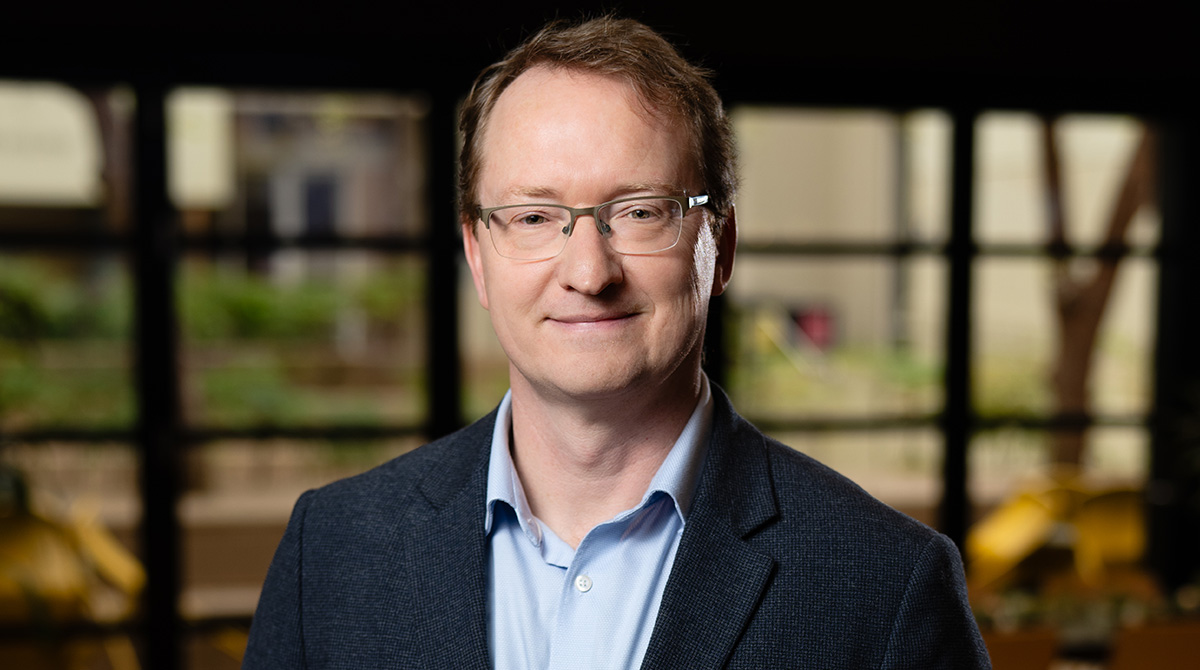
Professor Jon Whittle
Professorial Fellow, Institute for Digital Innovation & AI, Melbourne Business School
Jon Whittle is a Professorial Fellow at Melbourne Business School’s Institute for Digital Innovation & AI. A former technical lead at NASA, director of CSIRO’s AI capability and founder of Australia’s National AI Centre, he helps organisations translate AI into responsible, human-centred business impact.
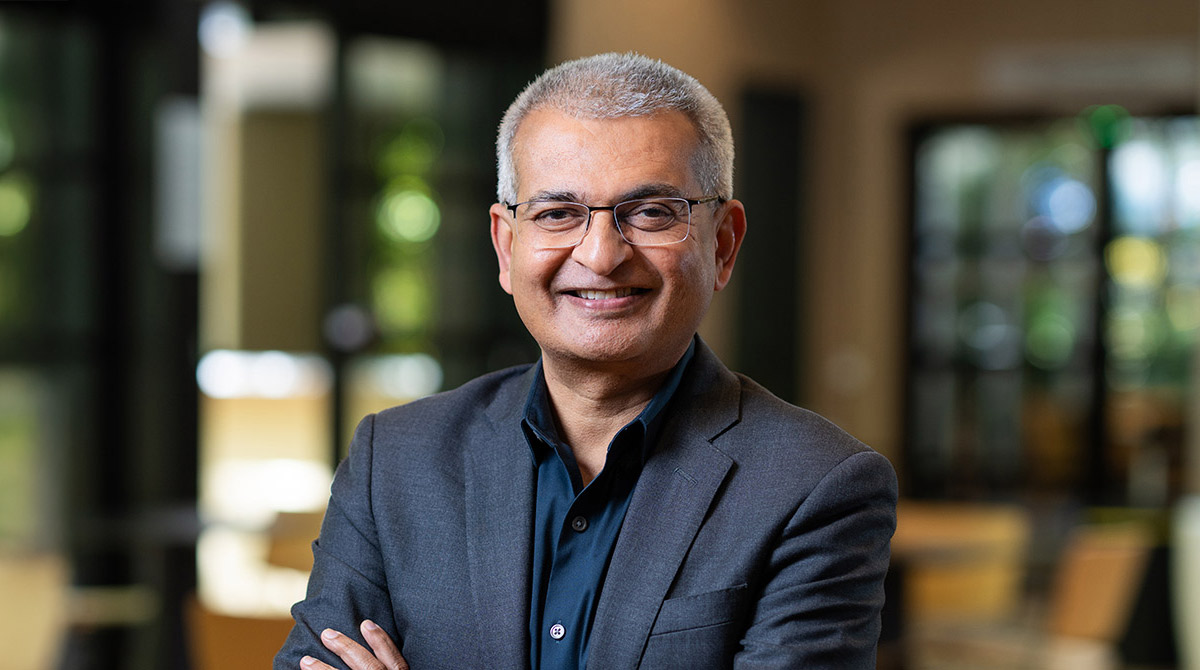
Professor Ujwal Kayande
Professor and Inaugural Director, Institute for Digital Innovation & AI, Melbourne Business School
Ujwal Kayande is Professor and Inaugural Director of Melbourne Business School’s Institute for Digital Innovation & AI. A globally recognised expert in marketing analytics, artificial intelligence and digital transformation, he works closely with organisations to address the opportunities and challenges of the digital age.
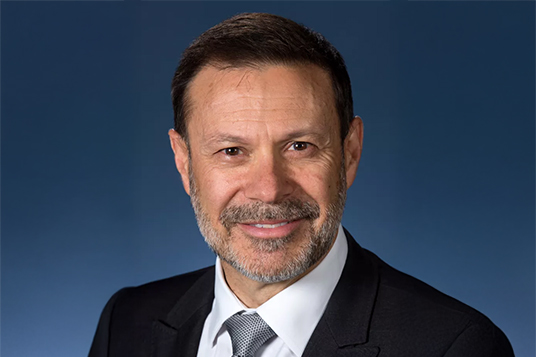
Andrew Goledzinowski AM
Former Ambassador to Vietnam, High Commissioner to Malaysia and Deputy Permanent Representative to the United Nations
Andrew Goledzinowski served as Australian Ambassador to Vietnam, High Commissioner to Malaysia and Ambassador and Deputy Permanent Representative to the United Nations, alongside senior roles with the UN and World Bank. Now an Asia-focused advisor and consultant, he works with organisations across the technology and critical minerals sectors and holds several advisory roles focused on strengthening Australia’s engagement with Southeast Asia.
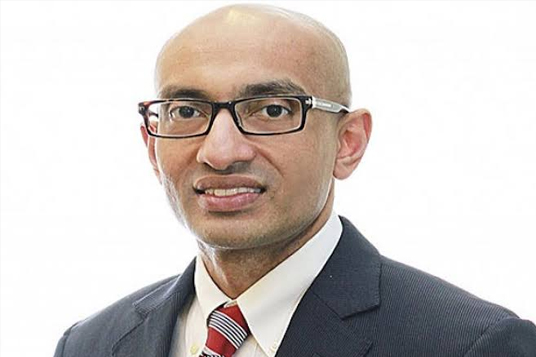
Anil Kumar Nayar
Singapore’s High Commissioner to Australia and a Senior Diplomat
Anil Kumar Nayar has more than 30 years of experience in international affairs. He previously served as Singapore’s Ambassador to Indonesia for a decade and as Ambassador to Belgium, with concurrent accreditation to the European Communities, the Netherlands and Luxembourg. With extensive experience across Southeast Asia, particularly Indonesia, he brings deep insight into regional diplomacy, international relations and Singapore’s engagement with Australia and the broader Indo-Pacific.
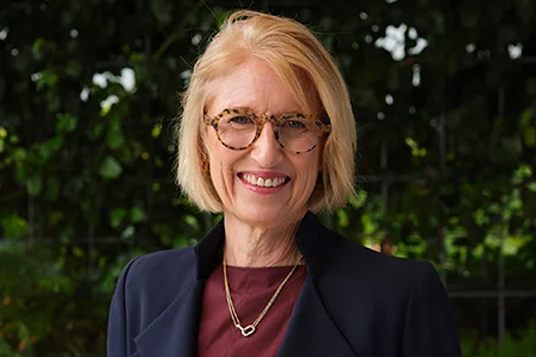
Clare Rogers
Board Chair and Director, Australian Red Cross
Claire Rogers is an experienced executive and board leader with deep expertise in strategy, transformation, digital innovation and purpose-led leadership. She is Chair of Australian Red Cross and previously served as Chief Executive Officer of World Vision Australia, following a senior career in financial services that included leading digital banking at ANZ. Claire brings extensive experience across the commercial and for-purpose sectors, with a particular focus on driving growth, shaping organisational culture and leading through change.
A Powerful Partnership
Melbourne Business School
Melbourne Business School brings deep expertise in leadership, strategy and organisational transformation, together with a long history of developing leaders for Australia and the region.

Financial Times
The Financial Times brings independent global reporting, analysis and an international network of journalists who help leaders understand how developments across markets, industries and societies connect.
Together, MBS and the FT create a distinctive leadership experience: global intelligence grounded in Australia’s strategic context, enriched by academic insight, business experience and candid peer conversation.

