
How to navigate the line between governance and management

For ASX200 Board member Tony Osmond, the Australian Directors Program helped him build healthy relationships and minimise the megaphone effect.
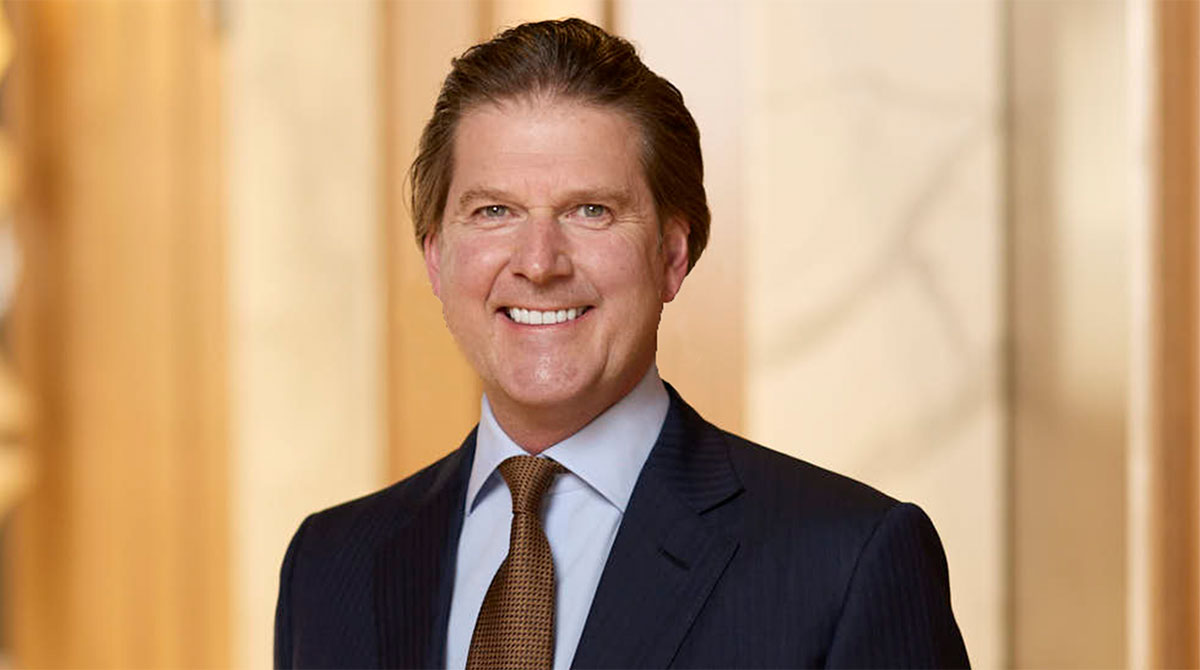
Tony Osmond had already spent over 15 years chairing NFP Boards when he was considering applying for The Australian Directors Program.
“I felt I already had a pretty good handle on what I would call the block and tackle of being a director,” he said.
“But what I didn't have was any experience of being a public company director.”
For Tony, Melbourne Business School’s Australian Directors Program provided him the opportunity to quickly close this knowledge gap.
“I wanted practical case studies and real-life lessons. And when I went through the course outline with the list of guest presenters, it was spot on," he said.
Tony took the opportunity to learn firsthand what it takes from some of the most experienced Chairs in Australia.
The megaphone effect
Being in an ASX 200 board role there is far more managerial resources and support than the NFP sector explained Tony, but it comes with greater expectations and gravitas to what you say.
"When you’re a director and you ask management for something, it’s like asking them through a megaphone,” he said.
Tony said understanding this line between management and the Board was one of the most difficult things which the course helped him grapple with.
“We spent a lot of time discussing the line. On the one hand you’ve got the weight of the law, the courts, regulation, in terms of what your responsibilities are as a director. But on the other hand, you shouldn’t be overstepping and then acting as a manager," he said.
Closing the boardroom information gap
One of the other key takeaways was during a session run by Colin Carter AM FAICD about being an effective director.
“Colin Carter included in the materials a letter to first year directors outlining how you should behave,” Tony said.
“When you begin, you’re coming from an informational deficit. All the questions you want to ask are often just straight up, selfishly educational,” he said.
“So, we spent a good amount of time discussing how to come up the curve without wasting the board’s time.”
This included not going into too much detail in the questioning in board meetings but using time outside to come up the curve.
“You need to make board time constructive.”
Learning alongside ASX Board peers
Alongside the wealth of information provided by the facilitators, Tony was able to draw value from his peers.
“I think this was the thing that surprised me the most, because I would say that very simplistically, the course was one-third content, one-third presenters, and one-third cohort," he said.
“The course would not have even been close to being as useful as it was without the cohort. Every session we had was a discussion. Every person was active. Everyone's experience was different. And I'd say I learned as much from the cohort as I did from the content itself.”
For Tony, he is already drawing from the priceless advice and one liners he picked up in class.
“From Ken MacKenzie it was a company should only take action if there’s a thick black line between that action, and shareholder value,” Tony said.
"From Catherine Livingston, it was how you should be able to explain your company’s strategy in 30 seconds to someone in a lift.”
The Boardroom course supported by industry
The Australian Directors Program is run in collaboration with AustralianSuper and the Australian Institute of Company Directors (AICD), a fact that greatly influenced Tony’s decision to apply.
“The support and involvement of AustralianSuper in the course set a signal that the content was what large institutional shareholders expect of directors,” he said.
“And the fact that AICD had put their support behind it as well, given they run their own course, those two things gave me that extra piece of endorsement.”
The Australian Directors Program is run in collaboration with AustralianSuper and the Australian Institute of Company Directors. It is designed to uplift the capability of newly appointed Non-Executive Directors of Australia’s S&P/ASX 200 organisations.