Upskilling the next generation of Superannuation leaders

The superannuation industry is navigating rapid growth, change, complexity, as well as increases in expectations requiring a unique set of skills for leaders.
Australia’s superannuation industry is operating in an era of unprecedented scale, complexity and scrutiny.
As funds grow, expectations from both members and regulators become more intense and the leadership skills required to navigate this environment are evolving rapidly.
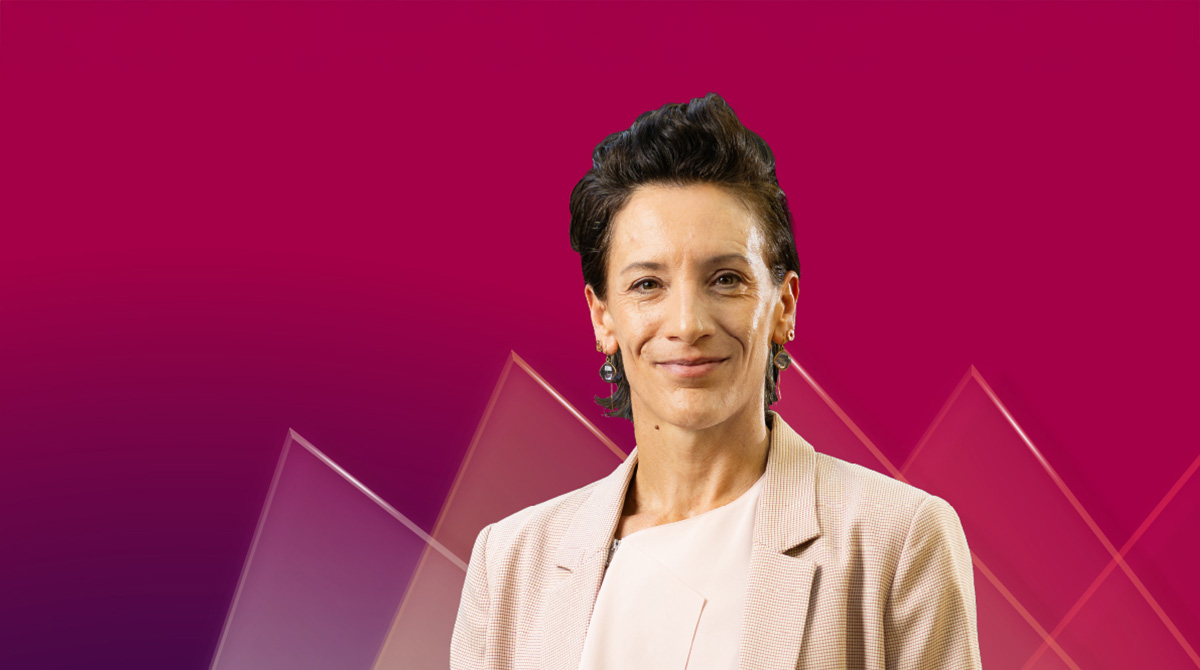
For Katrina Bacon, CEO of FEAL, building leaders equipped to navigate these pressures is fundamental to the continued success of profit-to-member superannuation funds.
Building leaders for growing complexity
FEAL was established 27 years ago by chief executives (then fund secretaries) of profit-to-member superannuation funds who recognised the need to pool resources and invest collectively in leadership capability.
“That original purpose hasn’t changed,” Bacon says.
“FEAL exists to develop current and future leaders of the superannuation industry and that role is more important than ever.”
Over the past two decades, superannuation funds have transformed dramatically. Where funds may once have employed fewer than 100 people, many now employ over 1,000 staff, operate nationally or globally, and manage increasingly sophisticated member offerings.
“There’s been an increase in both scale and complexity,” Bacon explains.
“Funds are no longer just accumulating retirement savings, they’re providing advice, digital services, retirement solutions and member engagement across multiple channels.”
Rising expectations, regulatory pressure and relentless pace of operation
At the same time, member expectations are rising.
Members increasingly compare their super fund experience to consumer platforms like Netflix or Amazon and want it to be seamless, digital and responsive.
On top of this there is heightened regulatory oversight and media scrutiny.
“Every new product, service or communication comes with regulatory considerations,” Bacon says.
“And when something goes wrong, the spotlight is immediate. Leaders are operating in an environment where trust, transparency and accountability are critical.”
Finally, with growing scale, complexity and heightened member and regulatory expectations, superannuation leaders now face a pace of decision making and leadership that is faster and more demanding than anything previously experienced.
The leadership skills that matter now
According to Bacon, the leadership skills required today look very different from those needed 27 years ago.
“There are new technical capabilities like digital literacy, investing skills across multiple asset classes and marketing – increasingly to individual members instead of through traditional employer channels.”
“Under member and regulatory scrutiny, there is a need to achieve a balance between managing risks and not allowing risk to constrain opportunities.”
“And, with increasing and diverse workforces needing to be taken on a consistent journey people skills are now absolutely central,” she says.
Leaders are managing larger, more diverse and distributed workforces, with different expectations of leadership, flexibility and purpose.
“How do you lead people across different demographics, locations and cultures, while still aligning everyone to the fund’s values and outcomes for members? That’s increasingly challenging and important.”
Trust as a defining leadership capability
One leadership quality, Bacon notes, that has always been and remains fundamental is trust.
“Members are entrusting their retirement savings to super funds. That’s an enormous responsibility,” she says.
“Trust underpins everything from member confidence to workforce engagement.”
As funds grow larger, maintaining trust internally and externally becomes more complex, but no less critical.
“Anything we can do to strengthen leadership capability, reinforce culture and build trust ultimately benefits members.”
A long-standing partnership with Melbourne Business School
FEAL’s partnership with Melbourne Business School (MBS) spans nearly two decades and has played a central role in addressing these challenges.
The flagship FEAL Masters of Organisational Leadership program is a twelve-module journey co-designed by FEAL and Melbourne Business School and has run three full cycles and is just starting the fourth.
“What makes the program unique is the depth of content, coupled with how it is delivered,” says Bacon.
“Each five-day residential module is a deep dive into a specific leadership capability from negotiation and marketing to data analytics and risk.
The academics who lead the modules understand and adapt their content to the superannuation industry.”
Equally important is the cohort experience.
“Participants learn alongside peers in the superannuation industry who operate within similar organisational structures and under the same external pressures and are willing to openly share their experiences.
The combination of the MBS academics and peer learning is incredibly powerful.”
Investing early: the Emerging Leaders Program
Building on the success of the Masters program, FEAL launched its Emerging Leaders Program four years ago to support high-performing professionals and senior managers aspiring to be a future fund executive and looking to develop their leadership skills.
Modelled on the Masters program, the intensive five-day Emerging Leaders program brings together future executives from across profit-to-member funds to develop core leadership capabilities, industry perspective and professional networks.
“We’re seeing participants return to their organisations with greater confidence, visibility and impact,” Bacon says.
“In some cases, that’s followed by promotion, expanded responsibilities, or deeper engagement across the industry.”
For FEAL, identifying and investing in future talent is essential.
“The next generation of leaders will face different challenges, different workforces and different member expectations. We need to equip them now with the skills they’ll need to lead successfully into the future.”
Melbourne Business School works with enterprise and government organisations to co-design customised learning solutions that address unique industry challenges, develop leadership capabilities, improve performance and support organisational growth. Find out more here.
Master of Organisational Leadership
Leadership
Master of Organisational Leadership
A leadership-focused Masters for professionals stepping into leadership responsibility - focused on building confidence, judgement and authentic leadership capability.

For Organisations
Discover learning solutions for your organisation to unleash the power of your people.

Short Courses
Rethink, reconnect and drive results with a short course at Melbourne Business School.

