Inside the MBS bootcamp for startup founders

It’s the program that’s nurtured some of Melbourne Business School’s brightest entrepreneurs. This year, a pitch to revolutionise farming impressed the judges.
“As an investor, is this an opportunity I’m going to put my money and invest in?”
It’s not every day you get to experience what it would be like to be on the TV show Shark Tank.
Heart beats racing and palms clammy; MBA students from Melbourne Business School took to the microphone to sell their idea to the judges in five minutes.
But this wasn’t only a learning exercise.
The judges were taking these pitches seriously to see whether they had the legs to become Australia’s next unicorn company.
The panel included Planet Innovation Non-Executive Director and former Genmark Diagnostics President and CEO Hany Massarany, University of Melbourne Professor in Residence and former Executive Director of the Melbourne Entreprenerial Centre Colin McLeod and the Dean of Australia’s number 1 business school Professor Jenny George.
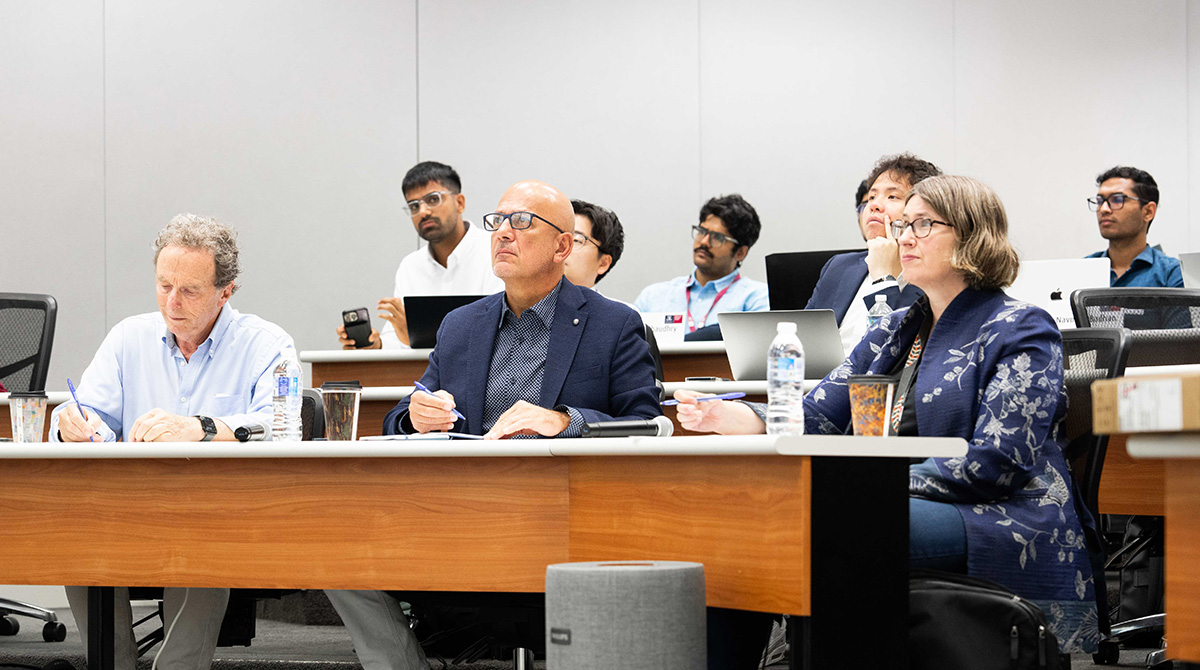
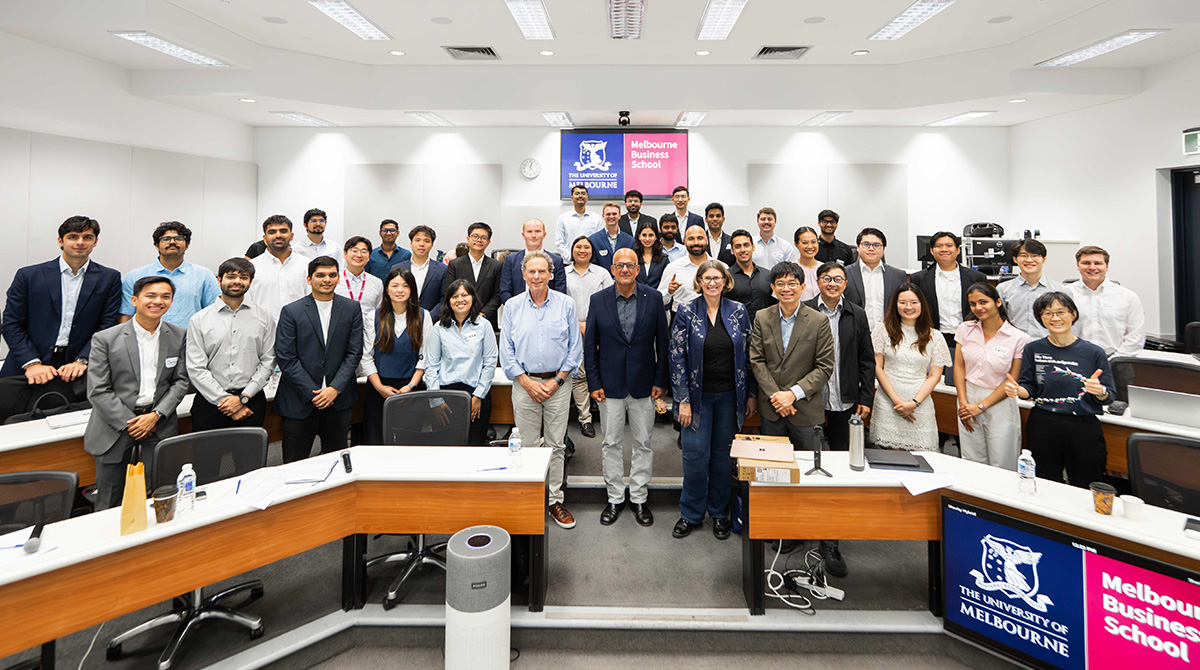
The pitch competition was the culmination of Innovation bootcamp, a five-day sprint to develop the skills needed to bring startups to life, run by Associate Professor of Strategic Management Kwanghui Lim.
Seven teams developed their ideas with eight mentors throughout the week.
Throughout the week they identified a problem and came up with a solution; now it was time to sell it.
Taking inspiration from three-legged friends
The pitches were diverse, ranging from tracking the health vitals of dogs through to addressing Australia’s high sun cancer rates.
Team Whoof pulled at the heart strings with a picture of Charlie, an 8-year-old three-legged labrador with epilepsy and the inspiration behind their dog health tracking collar. Chief Executive “Pawcifer” Nihal Sing said the collar addressed a gap in the market, helping owners get timely treatment for ailments their dogs are diagnosed with.
Wildsafe put forward a solution to address the millions of animals killed on our roads and reduce driver collisions with real-time GPS tracking in animal hotspots that could connect to existing navigation platforms such as Google Maps.
EthOn provided a verification platform to reduce cumbersome verification processes of documents to make the recruitment process easier and quicker.
RoundFund came up with a platform to provide interest-free short term cash financing to Muslim Australians who aren’t allowed to take interest on loans due to religious reasons.
Finally, Sunscan developed a concept for an interactive sun-safety station providing a UV camera and screen for people to see in real time if they had applied their sunscreen effectively. CEO Gavin Young said the stations were a way to market sunscreen brands at events where there was large foot traffic, such as sporting events or music festivals.
“Australia has the highest rate of skin cancer in the world, so this is a critical issue we’re seeing every day,” Gavin said.
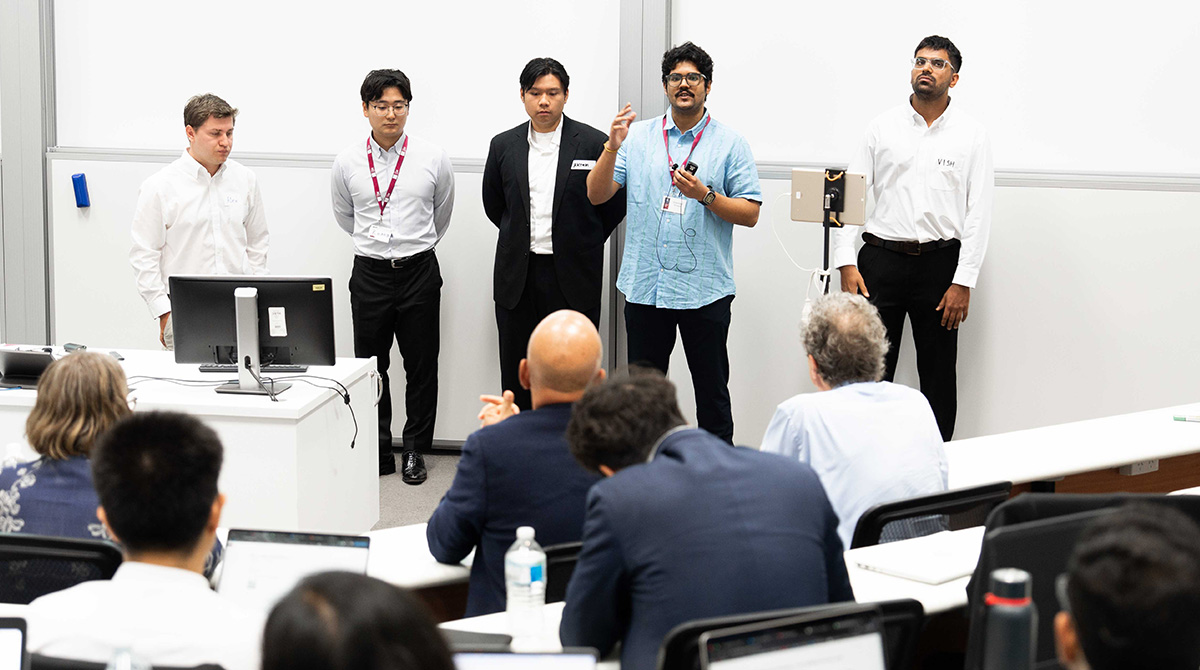
The winning pitch
The winning pitch came from Yarta, who put forward a spray to monitor the health of crops in real time.
Josh Murray, who is also founder of Josh’s Rainbow Eggs, said farmers worldwide were currently flying blind.
“If the plants get sick or the ground isn’t suitable, you find out afterwards when it’s too late,” Josh said.
“It takes the livelihoods of farmers away from them.” He said the quality of the fertiliser was ultimately what determined the quality of the crops.
Nivedita Dhariwal an engineer and also a founder of Belloe Shoes, said the early warning detection was what gave them a competitive advantage over others in the market.
“We use molecular stress signals we can detect damage 14 days earlier, so farmers have time to act,” Nivedita said.
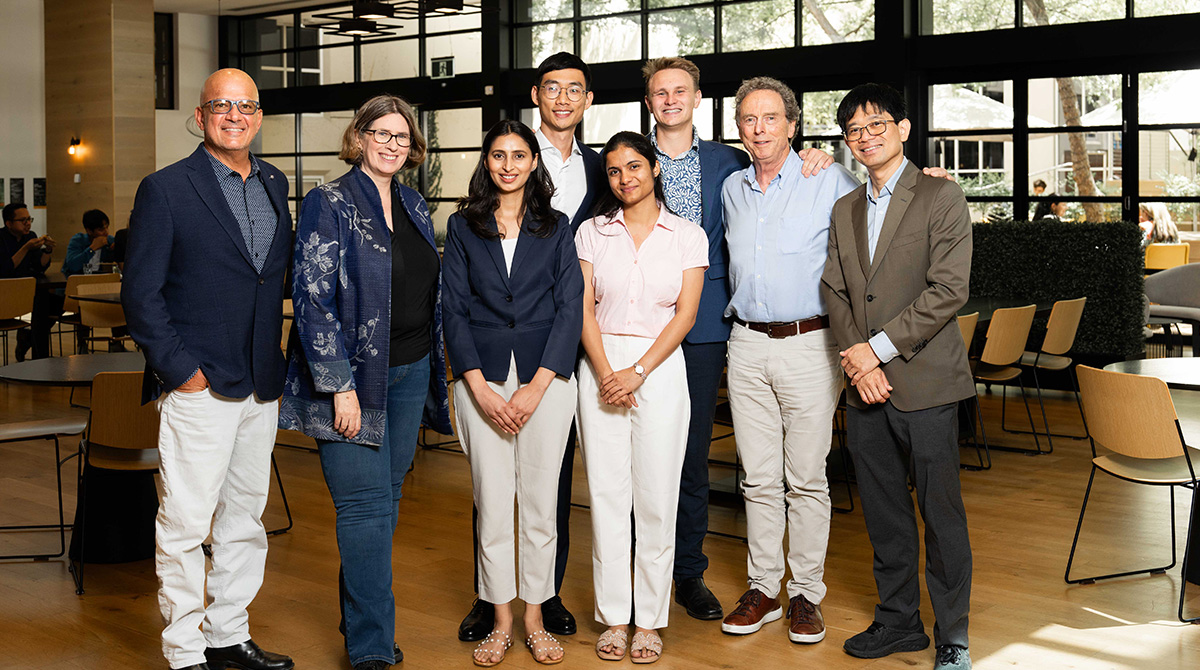
The judges unanimously agreed that this was a problem they would invest in.
“This team had a very clearly defined problem and linked to the solution that made sense and well thought out,” Hany said on behalf of the judges.
Colin encouraged the group to do a patent search straight away and go to PitchBook to see who else was investing in the space.
“Develop in your mind an industry briefing sheet, where’s the money going and more importantly where is the gap?”
Jenny liked the idea enough that she really hoped they would take it further and encouraged other teams to do the same.
“This is the way to build wealth both for yourself and the country. The country needs more startups and we as a school want to make sure we do what we can to support that.”
Final words of wisdom from the judges for founders
Hany Massarany
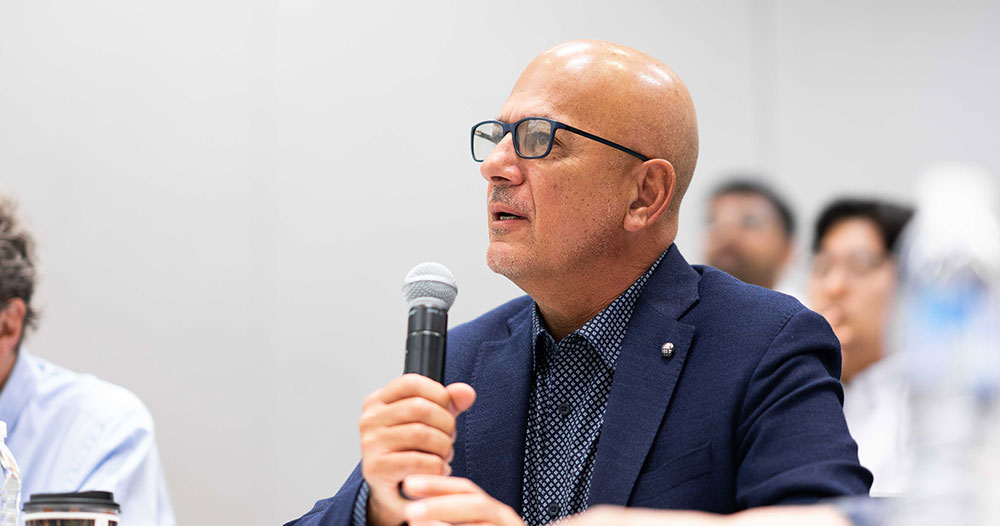
“In my experience, it always takes a lot longer than you think it's going to take. And you’ll always need a lot more money than you think so take these numbers and multiple by 10. I also learned under promising and over delivering is important especially when you're dealing with investors.”
Colin McLeod
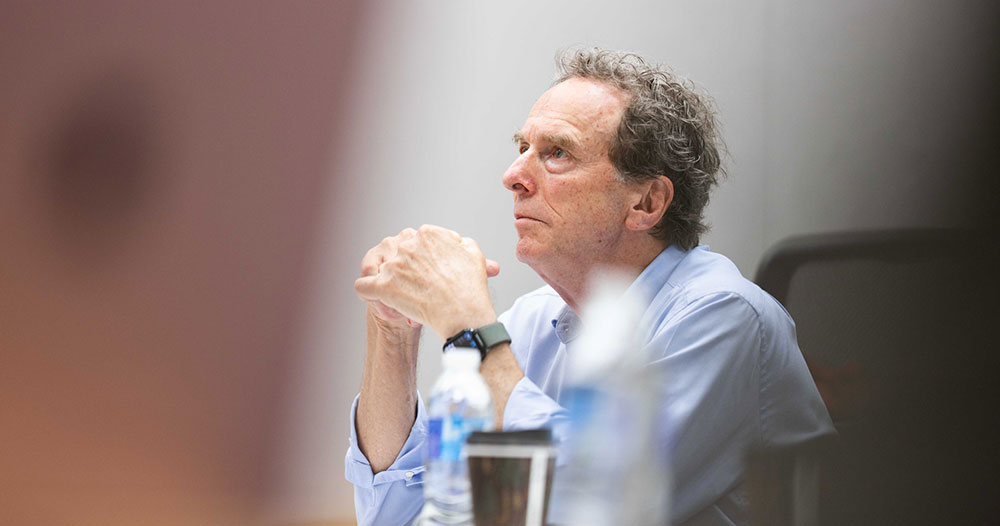
“Access to information is probably the second most important thing you can have as a founder. It's almost the biggest point of differentiation. The biggest point of differentiation is the relationships you develop. Think about your strategy for developing relationships. Relationships, brand, stakeholder management, information – these give you the right to win. Founders often focus on the problem and solution but don’t spend enough time thinking about the venture. What does this venture need to look like for me to get out of bed rain, hail or shine and dedicate my working life to it.”
Jenny George
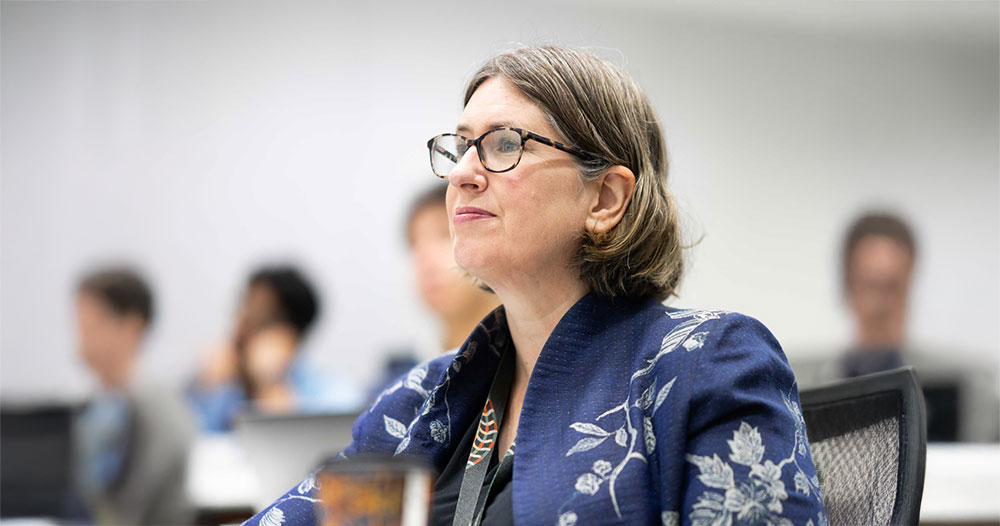
“You do not have to do this by yourself. There are ways the University ecosystem can help you find funding. There are incubators at The University of Melbourne, scientists at CSIRO that can be useful, the University can assist including with Intellectual Property protection. Make use of these and of course use your informal links with other students and alumni”