#IWD26: Three tips for accelerating equality using male champions

Research explores the concept of male champion groups as an innovative change strategy, providing recommendations on how to improve their impact.

International Women’s Day 2026 emphasizes the enforcement of equal pay and workplace equality laws, as well as increasing women’s representation in political and corporate leadership.
The theme, "Balance the Scales” underscores the power of providing support, opportunities, knowledge, and resources to advance women’s empowerment. In line with this theme, research shows that male champions play a critical role in accelerating progress toward gender equality by actively advocating for and supporting women in the workplace and beyond.
Women continue to be underrepresented in senior leadership roles around the globe.
This is despite the increasing evidence of the direct and indirect benefits that fully using female talent provides including economic growth, safer work environments, increased productivity, enhanced innovation, and improved workplace culture.
However, progress towards equality has been slow.
According to a 2025 report by the Workplace Gender Equality Agency, the gender pay gap in Australia remains at 18.6%, meaning that women earn 78 cents for every dollar a man earns.
At the current rate, it will take over 50 years for this gap to close.
There is therefore increasing pressure on Australian regulatory bodies for this inequality to be addressed.
One of innovative change strategy that is emerging, is the use of male champion groups to advocate for equality.
Research by Professor of Organisational Behaviour Isabel Metz published in Business Horizons has explored the potential of these groups.
“Male champion groups, particularly those comprising of CEOs and top executives, are incredibly valuable change agents as their gender equality initiatives are less likely to be dismissed as self-interest,” Professor Metz said.
“However, what we saw was that these groups faced their own unique challenges that need to be overcome if we are going to maximise their potential for impact.”
Using a mix of archival data to track the progress of five male champion groups, and the results of 41 interviews they conducted, Professor Metz and her colleague Carol Kulik of the University of South Australia were able to identify the challenges and importantly, propose recommendations as to how to overcome them in.
The research provides useful tactics for leaders and HR executives looking for further strategies to advance gender equality in their organisation, as well as to those who have already established, plan to establish, or are members of a gender equality champion group.
Ensuring committed and balanced membership
Throughout the interviews, Professor Metz identified that there were two unique challenges that seemed to occur for these groups.
1. Managing high-status members
“Male champion groups tend to recruit leaders who occupy society’s highest strata,” Professor Metz said.
“This is because these groups are often recruiting organisational leaders who are capable of actually influencing change.”
While such power and status can be a blessing, in that power can facilitate group functions by delivering resources, it can also be a curse as high-status members may dominate discussions.”
Ultimately, this hampers group performance as it prevents multiple points of views from being heard which is essential for effective group dynamics.
2. Assembling a critical mass of committed members
One of the unique challenges was being able to ensure members of the group were there for the right reasons.
Because male champion groups often attract powerful people, they can sometimes inadvertently attract individuals who are motivated by self-interest.
“Some members join purely because they want to “bask in the reflected glory” of an elite group of senior leaders and are not wholly committed to the cause,” Professor Metz said.
Similarly, as organisations experience pressure from some of their stakeholders to increase diversity, male leaders may be motivated to join even if gender equality is not something they are personally passionate about.
Recommendations
Professor Metz and her colleague provide three ways these challenges can be overcome to optimise the potential of male champion groups.
1. Thoroughly vet members
In order to ensure you have members who are truly committed to the cause, Professor Metz recommends thoroughly vetting them first.
“This could include looking at the proportion of women leaders and the pay gap in the prospective members own organisation,” Professor Metz said.
“Or perhaps look for media evidence of their own individual advocacy efforts.”
These groups are already opening the membership to be gender-mixed; however, when this occurs it is important to ensure the groups remain truly gender diverse and do not evolve into mostly or exclusively female networks over time. Furthermore, recommendations aimed at maximising the effectiveness of champion groups are applicable to all members of gender-mixed groups.
2. Provide realistic previews
Progress with gender equality initiatives can be slow, so members need to be prepared to commit significant personal time and resources before seeing tangible results.
In addition, members need to be willing to navigate the potential challenges associated with being a public advocate for a social issue.
Groups should therefore provide realistic previews that clearly communicate these expectations of members.
3. Establish group charters
The final recommendation is establishing, and periodically reviewing, group charters.
“This is critical to instituting norms and will help avoid ‘mission drift’ as membership changes,” Professor Metz said.
Read the full research paper visit ‘Male champion groups for gender equality: big potential, major challenges’
To learn more about our academic research, strengths and insights, visit the Faculty and Research page.
To find out more about studying at Melbourne Business School, visit our Degree Programs and Short Courses pages, or learn about our range of services For Organisations.
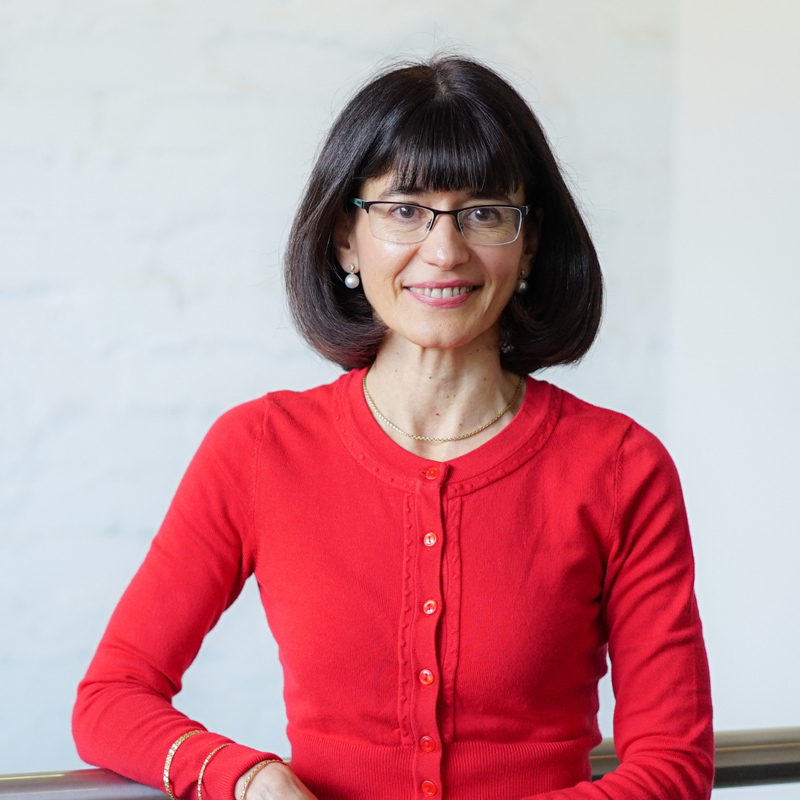
Isabel Metz
Professor of Organisational Behaviour

Women in Leadership Program
Leadership Development
Women in Leadership Program
Confidently enter the next phase of your professional journey with invaluable guidance, skills, and connections to thrive in leadership.
Women in Senior Leadership Program
Senior Management
Women in Senior Leadership Program
Transform the way you lead and amplify your impact among a highly supportive peer group who resonate with your journey.

