
1 in 5 Indigenous Australians in the workforce employed by Indigenous organisations

Dilin Duwa's Indigenous Business and Corporation Snapshot 4.0 highlights the vital role the Indigenous business ecosystem plays in increasing workforce participation and economic empowerment for Aboriginal and Torres Strait Islander people.
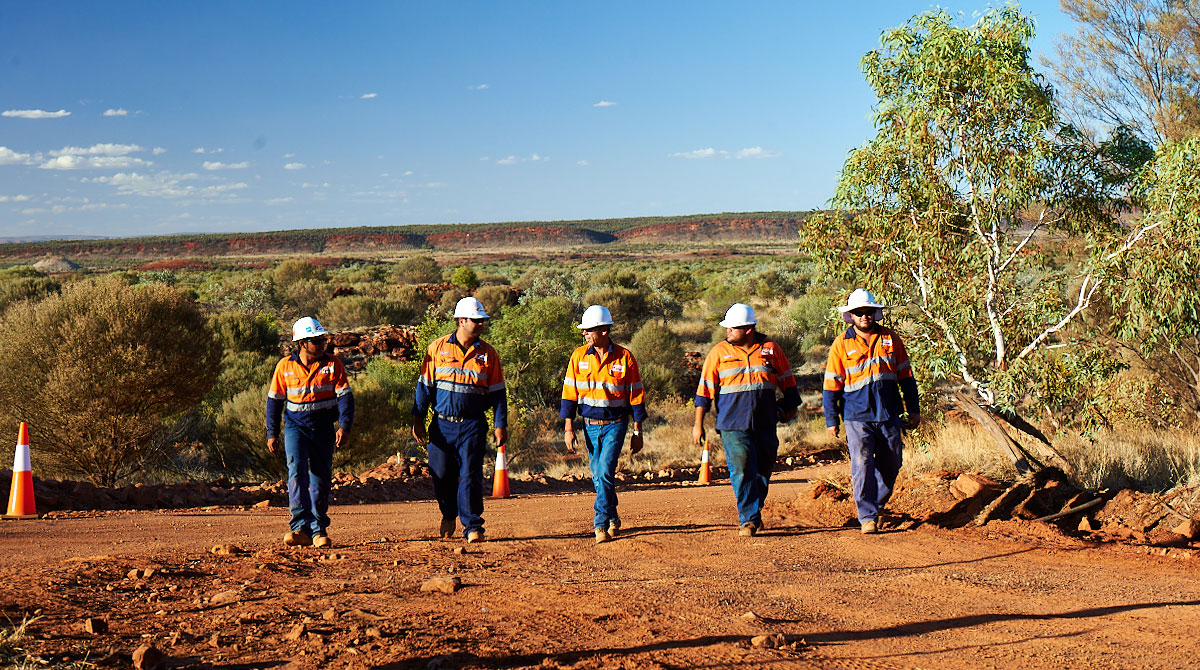
The Indigenous Business and Corporation Snapshot 4.0, developed and released by the Dilin Duwa Centre for Indigenous Business Leadership, estimates that the Indigenous business and corporate ecosystem currently employs 135,733 people, with approximately one in three of those employees being Aboriginal or Torres Strait Islanders (46,718).
“The Indigenous corporate ecosystem isn’t some niche group of small businesses. It employs more Australians than the Commonwealth Bank, NAB and Westpac combined,” Professor Michelle Evans, report co-author and Director of the Dilin Duwa Centre for Indigenous Business Leadership said.
Undertaken in partnership with the Australian Bureau of Statistics and with the participation of numerous Indigenous business data custodians, the Snapshot provides an overview of businesses and corporations listed on Indigenous registries, as well as all business owners self-identifying in the Australian Census and in Centrelink records.
This fourth iteration of the Indigenous Business Snapshot additionally highlights the vital effect of the national Indigenous Procurement Program (IPP), as well as areas in which policy could be addressed to maximise its efficacy.
Indigenous businesses as employers
Snapshot 4.0 data shows that Indigenous businesses and corporations employ 20% of Aboriginal and Torres Strait Islanders in the workforce, despite those businesses representing less than 1% of total firms trading in Australia.
“We found that across a diverse range of industries, Indigenous businesses and corporations are 12 times more likely to employ an Indigenous worker than non-Indigenous businesses. We show that Indigenous businesses are more inclined to hire Indigenous people, and the jobs and workplaces those businesses cultivate are better suited to Indigenous employees than roles elsewhere,” Professor Evans said.
The research also shows that Indigenous businesses are more likely to offer Aboriginal and Torres Strait Islander people full-time and/or higher-skilled positions than non-Indigenous businesses.
“Two-thirds of the jobs available in the ecosystem are in rural and remote areas, which means more opportunities for Aboriginal and Torres Strait Islanders to work while living on country.” Professor Evans said
As part of the National Agreement on Closing the Gap, the federal government committed to increasing the proportion of Aboriginal and Torres Strait Islander people aged 25 to 64 in employment to 62 percent. Snapshot’s data showed this measure at 55.7 per cent in 2021.
“If we’re going to make up the 6.3 percentage points needed to close the gap on employment participation, we need to understand what the economy looks like for Aboriginal and Torres Strait Islanders looking for work and encourage job creation in areas that meet the needs of the community," Professor Evans said.
“For the first time, our snapshot provides that information."
The impact of the Indigenous Procurement Program
Snapshot 4.0 quantifies the total of Commonwealth procurement with Indigenous businesses and corporations, including contracts awarded through the IPP.
Since the Program’s implementation, the average annual number of contracts won by Indigenous businesses and corporations rose from 3,589 a year (between 2007/8 and 2014/5) to 8,197 a year (2015/16 to 2018/19), with an accompanied 21% increase in annual spend over the same period.
“It is a big increase, but the Indigenous business and corporation ecosystem is by no means reliant on the IPP or government contracts. Value of contracts won through the IPP represents only 4% of the total revenue generated by the sector,” report lead author, Associate Professor Cain Polidano said.
An estimated 82% of recipients received their first Commonwealth contract under the IPP.
“We found businesses that win IPP contracts also often win larger contracts outside of the program, suggesting that the experience gained through contracts awarded within the IPP may lead to an increase in contracts won through open tender processes,” Associate Professor Polidano said.
Whilst more contracts are being awarded to Indigenous businesses and corporations under the Program, the Snapshot shows they’re not necessarily being evenly divided across the sector, meaning the potential increases the IPP could bring to Indigenous employment are yet to be realised.
“60% of working-age Aboriginal and Torres Strait islanders live in rural and remote areas, but employment rates there are lower than in the city. If we're going to increase economic empowerment, this is where our efforts need to be focused,” he said.
The working-age Indigenous employment rates in rural and remote areas are 54% and 37%, below the 61% in urban areas.
“Our data shows we can’t rely on the IPP alone to close the employment gap," he said.
“As it’s a government procurement program, it’s natural that a large proportion of IPP contracts are in sectors closely aligned to government work, like Administrative, Scientific, or Technical Services. These businesses tend to be in cities, which means more than two-thirds of the value of IPP contracts go to urban areas, generating jobs away from where those opportunities are needed most.”
Download the full Indigenous Business and Corporation Snapshot Study 4.0.
To find out more about studying at Melbourne Business School, visit our Degree Programs and Short Courses pages or learn about our range of services For Organisations.
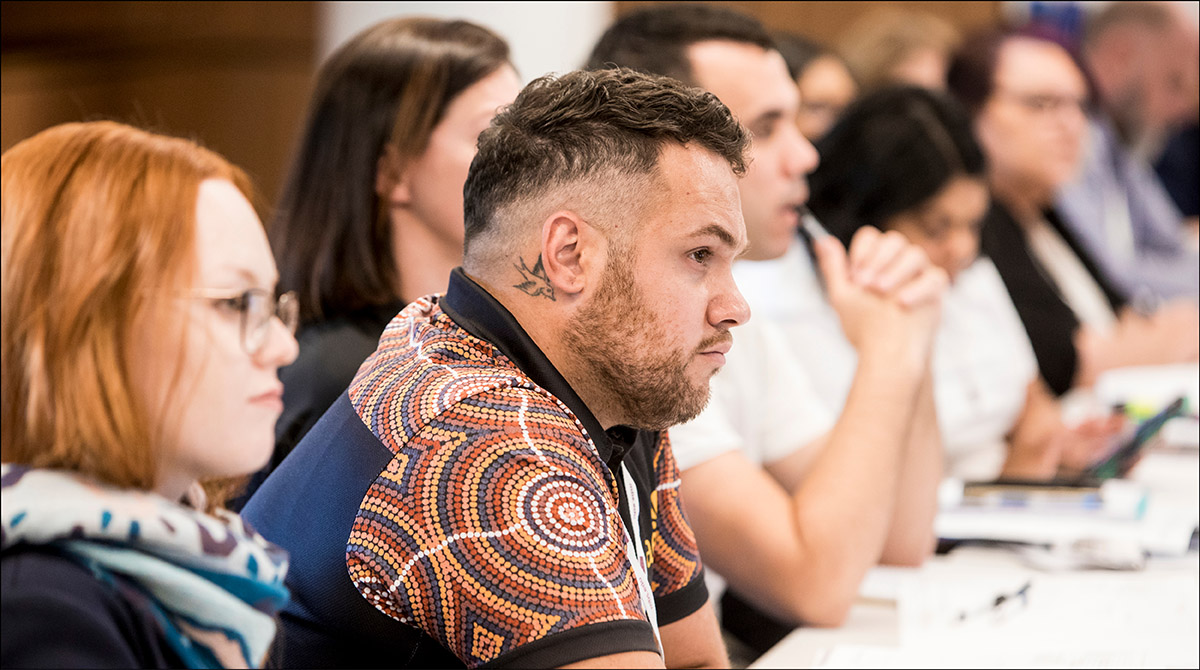
MURRA Indigenous Business Program
Leadership Development
MURRA Indigenous Business Program
Deepen your business skills with a course designed for Indigenous entrepreneurs and professionals.

Dilin Duwa Centre for Indigenous Business Leadership
Working towards Indigenous economic empowerment.

