2025 Impact Report
This report highlights the achievements of the Melbourne Business School and our community throughout 2025.
Invest in Leaders who Drive Change
When you give to Melbourne Business School, you fund scholarships, research and programs that turn good ideas into impact, driving lasting change for communities, society and a sustainable future for us all.
This end of financial year, your gift makes that possible. Make a tax-deductible donation by 30 June 2026.
Make a giftFrom the Chair
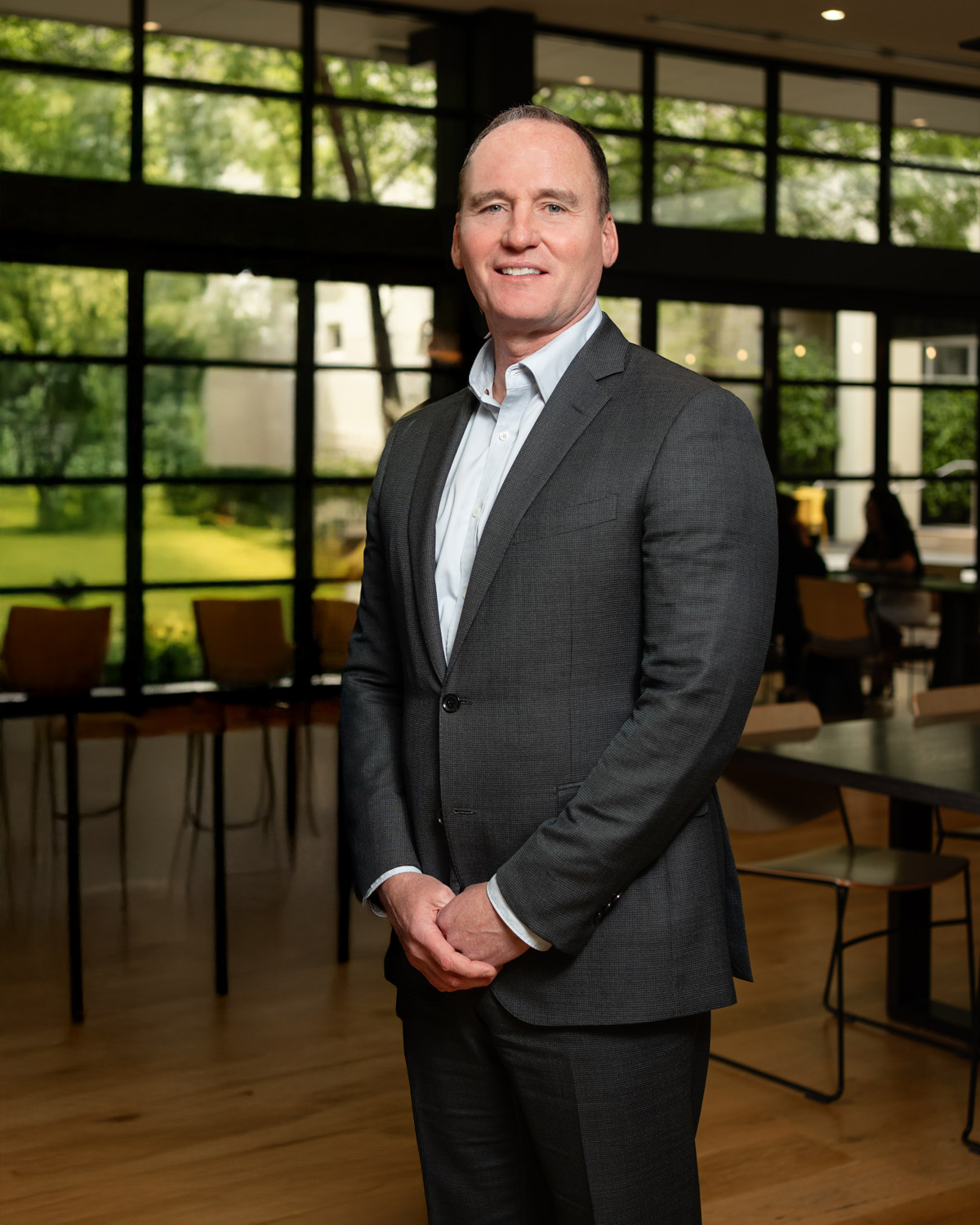
Ken MacKenzie, Chair
At Melbourne Business School, we believe long-term organisational success requires creating financial value without compromising environmental or social responsibilities. As businesses navigate profound economic, technological and societal change, the capacity to create sustainable value has become central to competitiveness, resilience and trust. This conviction underpins our new Sustainable Value Creation Institute.
The Institute reflects a simple but powerful insight: sustainability is no longer a peripheral concern, but a core strategic challenge and opportunity for boards and executive teams. Integrating sustainability into decision-making requires clear judgement, robust governance and leadership capability. Through rigorous research, leadership development and cross sector collaboration with leading Australian companies, the Institute will help organisations translate sustainability ambition into practical, scalable outcomes that strengthen long-term performance.
This focus sits alongside the complexity boards face more broadly today. Compared with even a decade ago, directors are operating in a far more demanding environment. Rapid technological change, the accelerating energy transition, and rising expectations from investors, regulators and society are reshaping how organisations operate and how success is measured. In this context, strong judgement in the boardroom has never been more important.
When directors are well prepared for the role, they are better placed to navigate uncertainty, balance short and long-term priorities, and guide organisations through complex decisions that create enduring value. High quality education plays a critical role in building this capability.
A hallmark of Melbourne Business School’s impact is its ability to bring together complementary strengths to meet these challenges. This is exemplified by the Australian Directors Programme, delivered in partnership with AustralianSuper and the Australian Institute of Company Directors. By combining worldclass education, deep experience in capital stewardship and leading governance expertise, we are strengthening the capability of Australia’s boardrooms.
As Chair, I am proud of Melbourne Business School’s role in preparing leaders to make better decisions, decisions that support enduring, sustainable value creation for organisations, investors and society alike.
On a more personal note, I was incredibly saddened at the end of 2026 to hear of the passing of the University of Melbourne Vice-Chancellor and Melbourne Business School Director, Professor Emma Johnston. Emma was an incredibly intelligent, astute and compassionate leader. I consider myself very fortunate to have served alongside her on the Board.
From the Dean
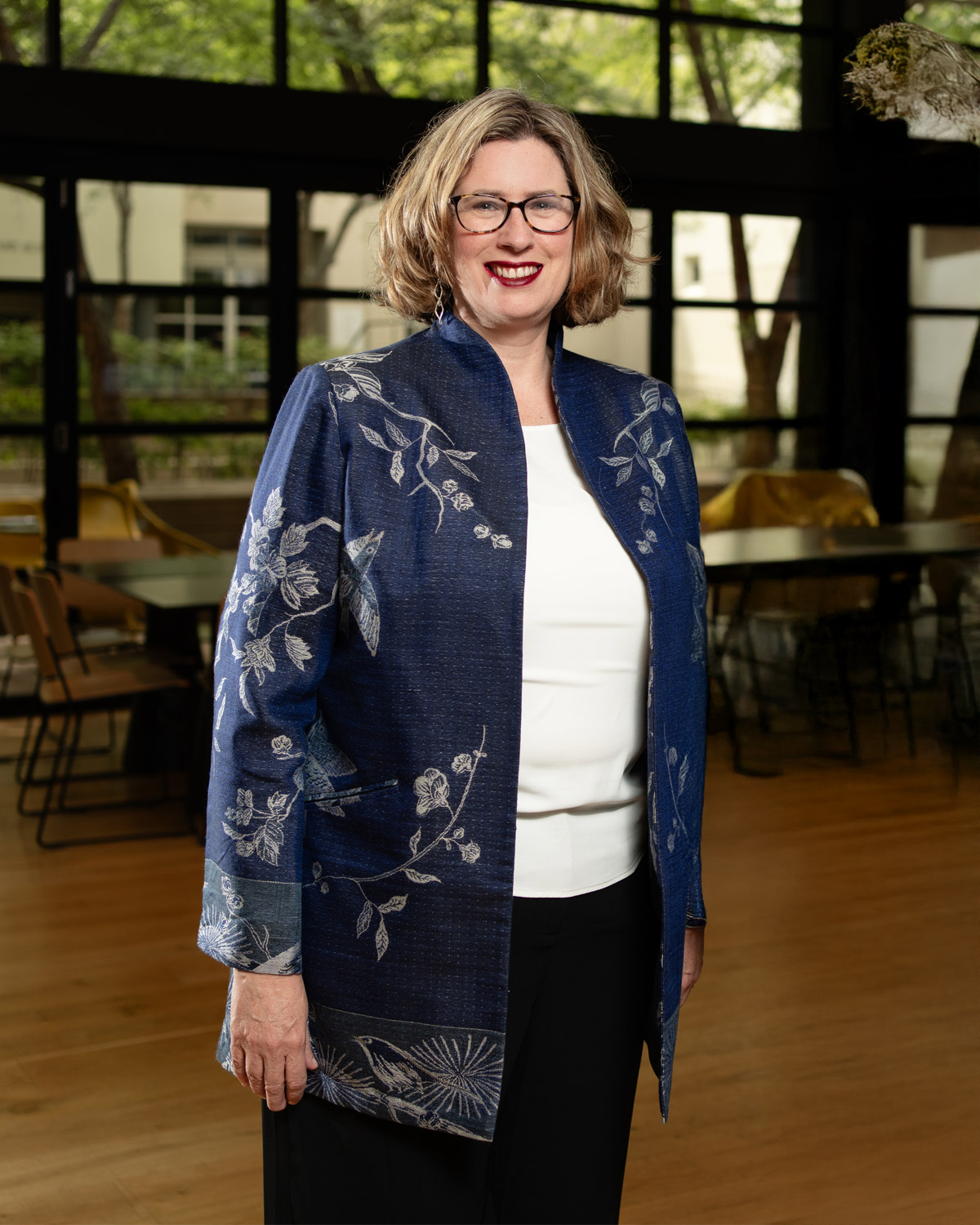
Professor Jenny George, Dean, Melbourne Business School, Co-Dean, Faculty of Business and Economics
In 2025, the spirit of community was evident across everything we achieved.
A defining milestone was the launch of the Institute for Digital Innovation and AI (IDIA). As organisations grapple with rapid advances in artificial intelligence, automation and data-driven decision-making, leaders are being asked to rethink how organisations operate, how work gets done, and how decisions are made. Led by Professor Ujwal Kayande, the Institute brings together executive education, applied research and industry partnerships to help organisations navigate this transformation with confidence.
While IDIA took centre stage this year, important work was also happening behind the scenes. Throughout 2025 we worked closely with leading Australian companies to build support for the Sustainable Value Creation Institute - an initiative focused on helping corporate Australia create long-term economic value while advancing environmental and societal outcomes. That groundwork has positioned us to formally launch the Institute in 2026, strengthening the School’s role in shaping how business contributes to a more sustainable and resilient economy.
Our alumni community also grew stronger this year. With 17 chapters established, we connected graduates from Singapore and London to New York and Jakarta, while milestone reunions brought alumni back to campus to celebrate decades of shared history and achievement.
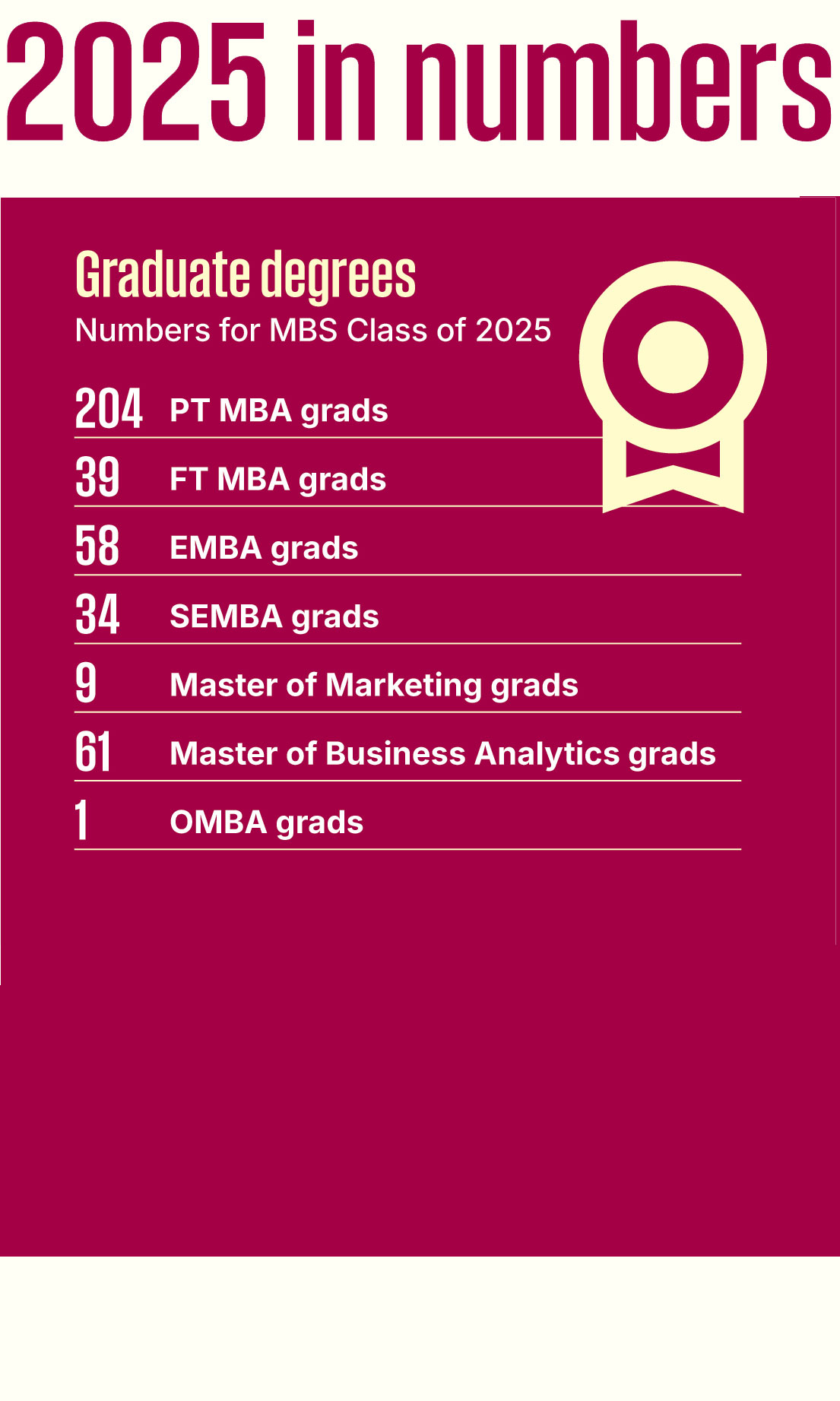
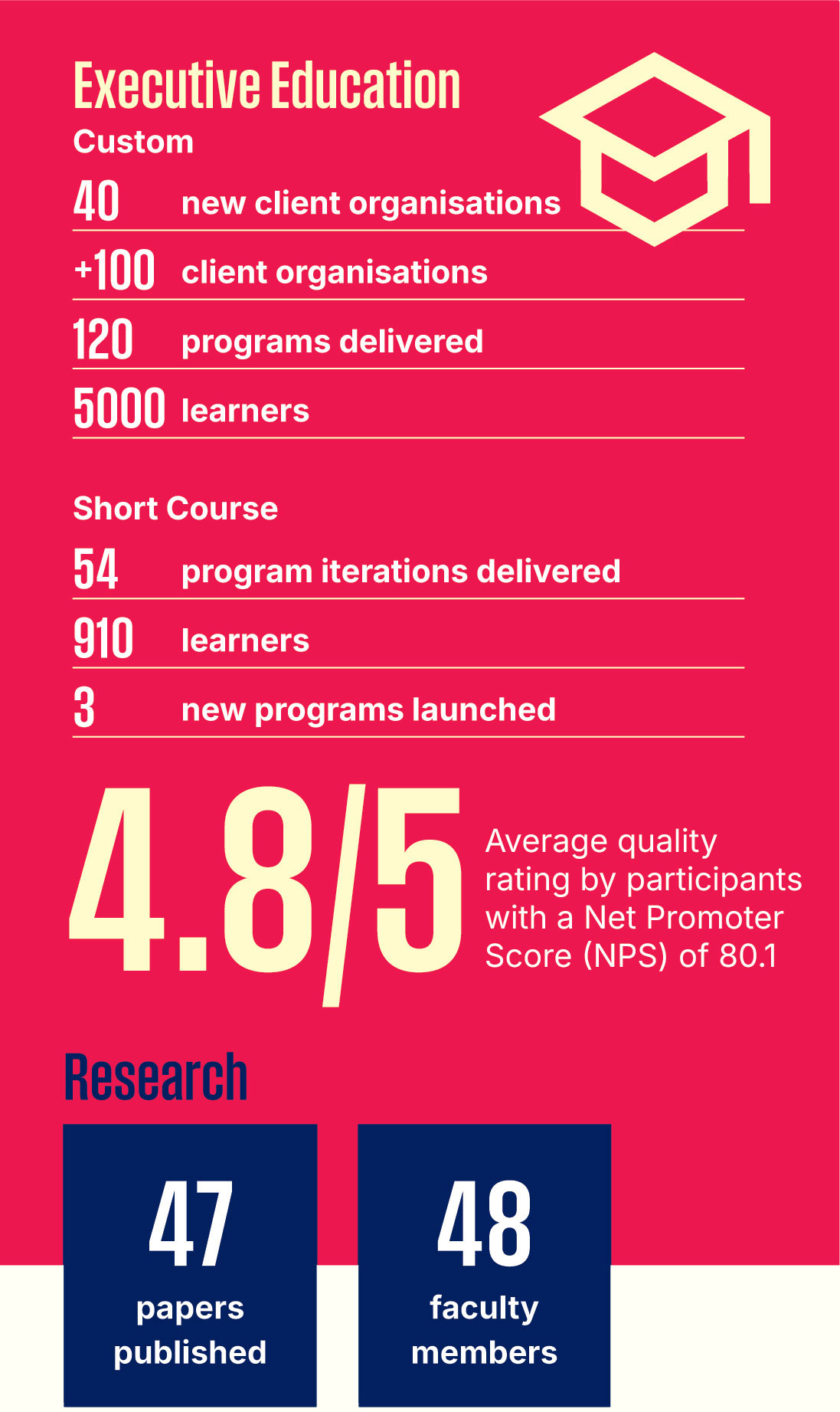
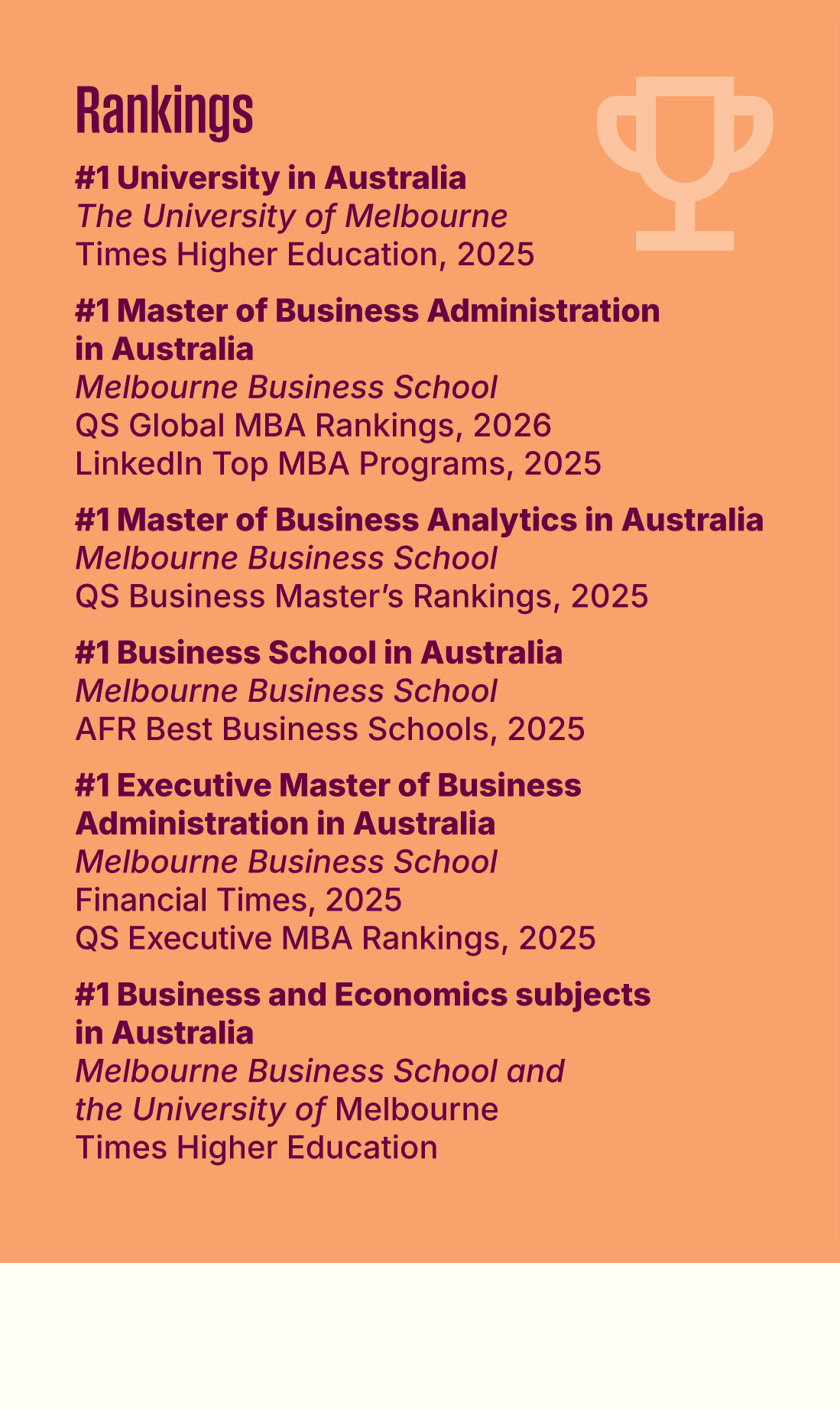
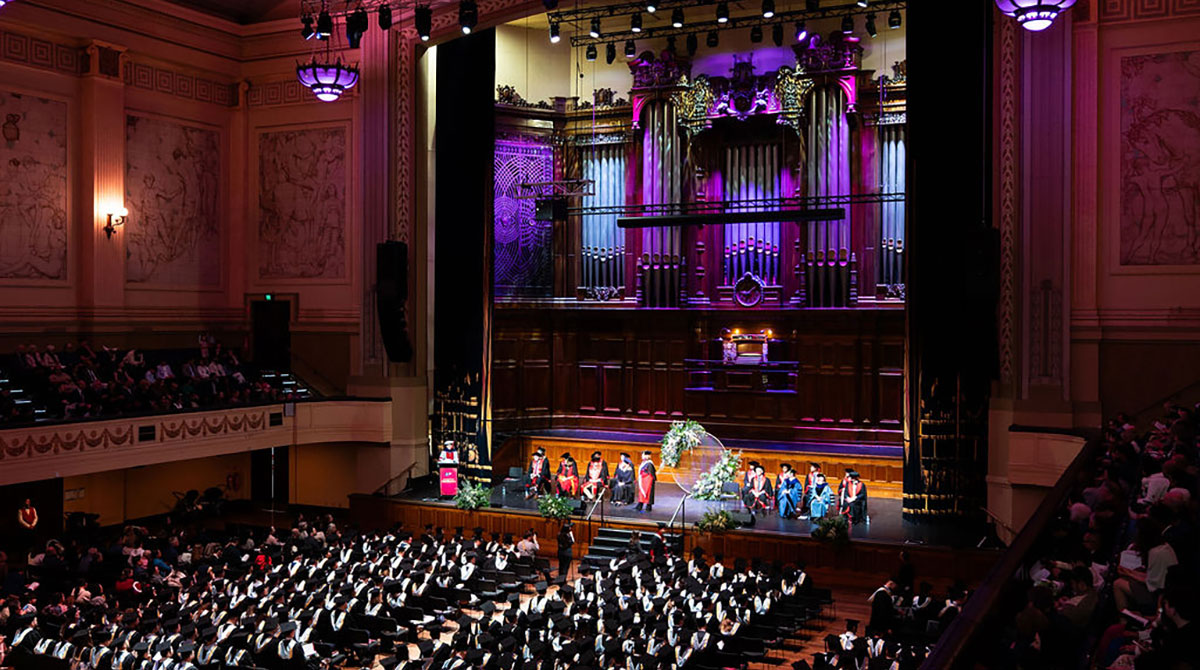
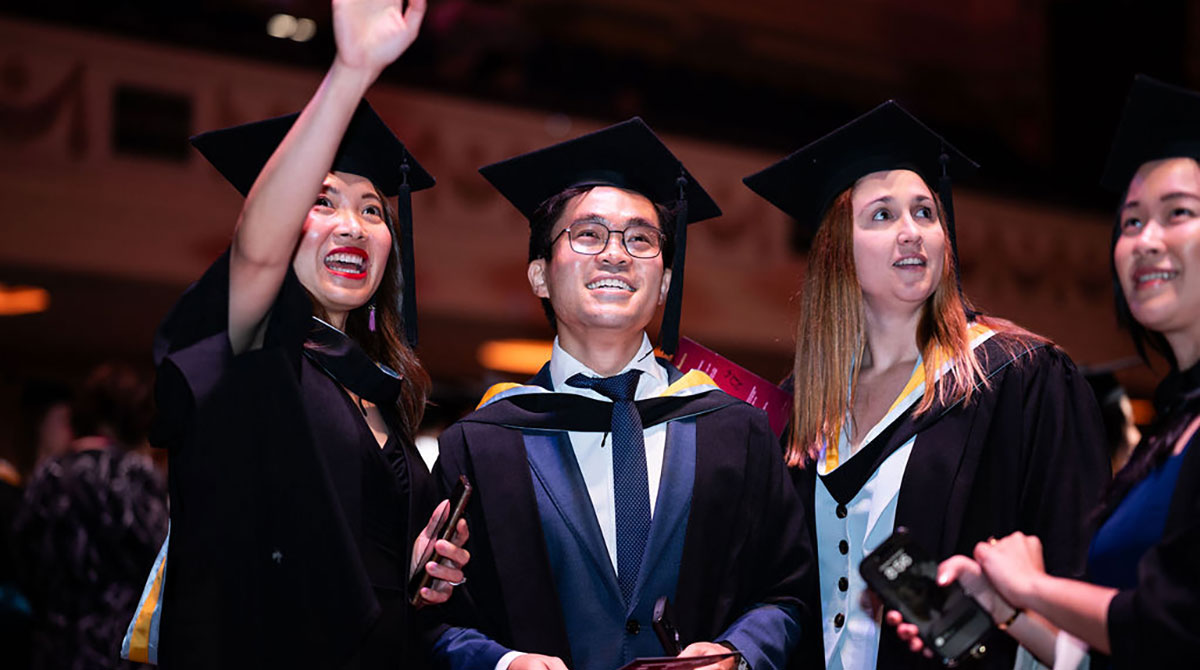
Across the School, our programs continued to deliver meaningful impact in leadership development. More than 400 students graduated from our degree programs, while Executive Education reached over 5,000 learners through 120 custom programs with organisations across Australia and beyond. Our success was once again reflected in rankings, with Melbourne Business School retaining its position as the #1 MBA in Australia across multiple global scales. These results are a reflection of the ambition and commitment of our world-leading faculty, and dedicated staff and students.
2025 also saw us unveil a new campaign, Made. Not Born, celebrating the effort, learning and community that shape exceptional leaders. The campaign, which I hope you have seen around Melbourne or online, honours the people and partnerships that built MBS and the generations of alumni who continue to make their mark.
I was once again humbled by the incredible generosity of our supporters. We had another incredible year in 2025 with nearly $12 million in supporter income received and $14.4 million in committed agreements in the year from individuals and organisations. Call out a couple of main supporters.
At the end of 2025, our community experienced a profound loss with the passing of Professor Emma Johnston, Vice-Chancellor of the University of Melbourne and a Director of Melbourne Business School.
Emma was an extraordinary scientist and leader. But more than that, she was someone who believed deeply in people - in their potential, their curiosity, and their ability to shape a better future. She combined a brilliant mind with generosity, warmth and optimism. Those qualities left a lasting imprint on everyone who worked with her.
Her passing reminded us of something fundamental: institutions are ultimately communities. What gives Melbourne Business School its strength is not just our programs or our research, it is the people who bring ideas to life and support one another along the way.
As we head into 2026, we look forward continuing to working with our community to shape tomorrow’s leaders who, like Emma, will make a lasting impact.
2025 Impact Stories
We unleash ideas and leaders for a sustainable future. Here is a a glimpse of how we achieved our purpose in 2025.
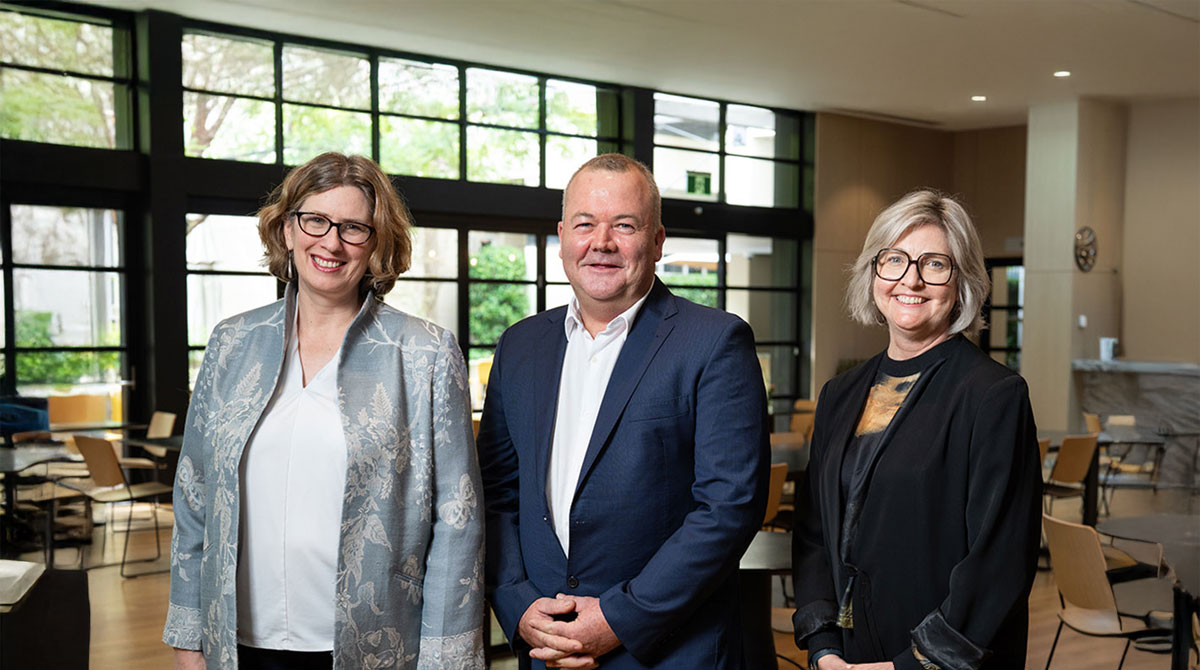
New partnership with WISE Employment to create lasting social impact
The not-for-profit employment service provider is giving $1.1 million to support the social purpose sector through education and research.
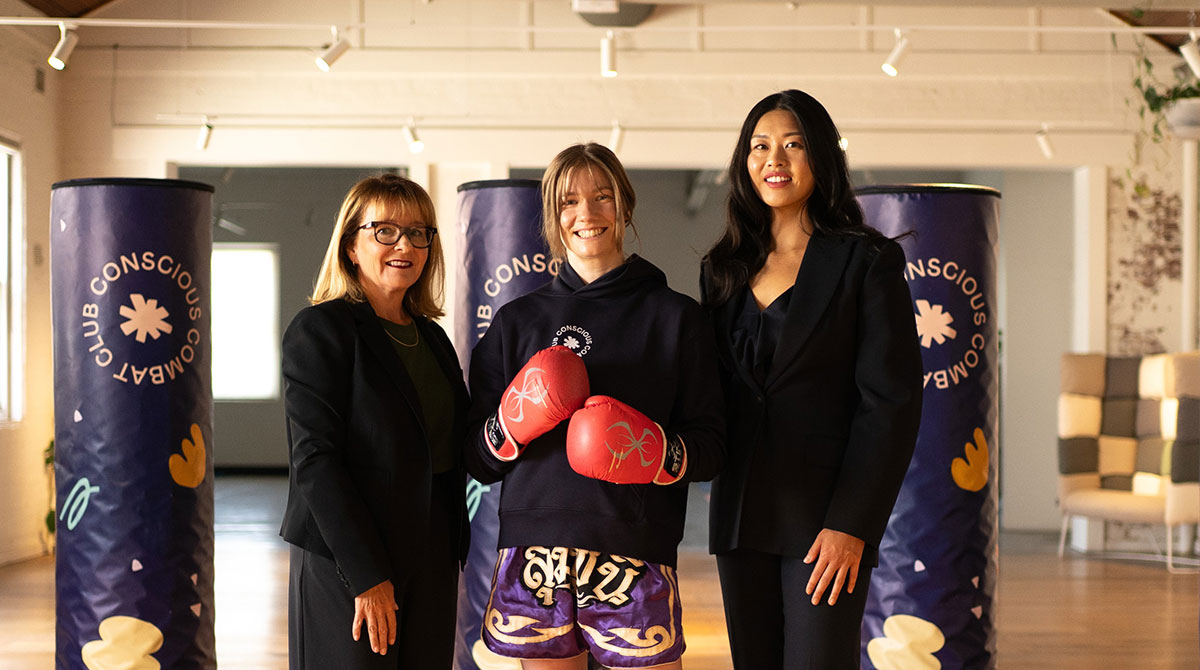
Creating connections to combat gender-based violence
Through the work of our Centre for Social Purpose Organisations, our alumni are joining forces to help scale up a critical charity.
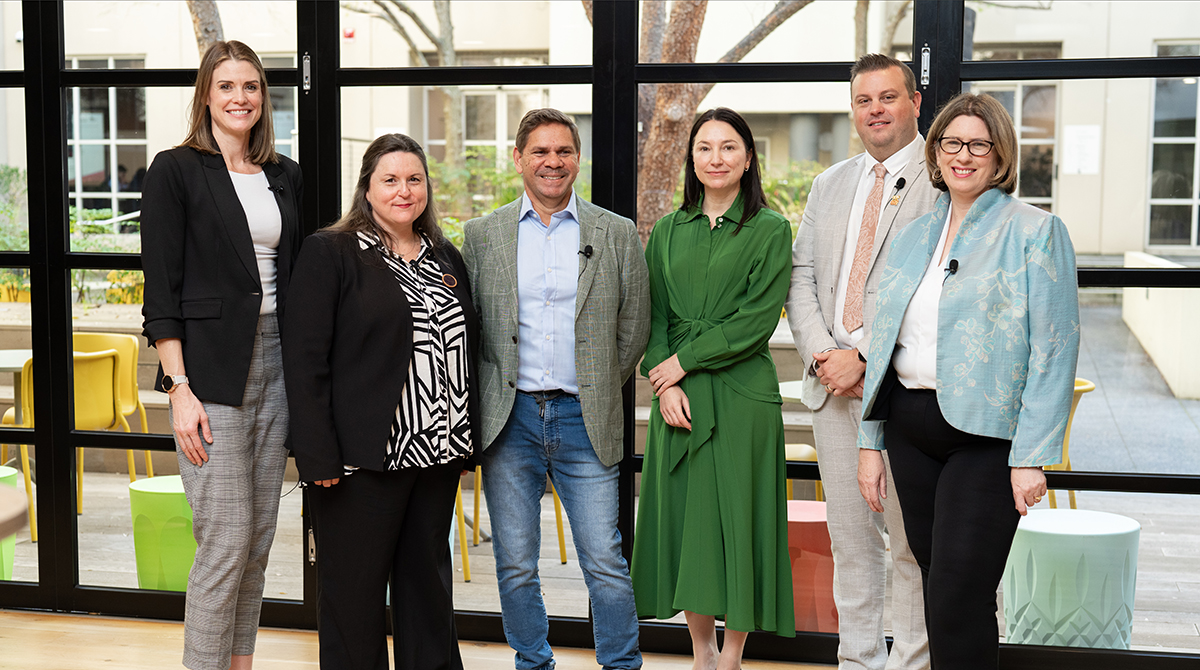
Melbourne Business School to provide free tuition for Indigenous students
The Scholarships will provide Indigenous students the opportunity to develop their leadership capabilities and transform their future.
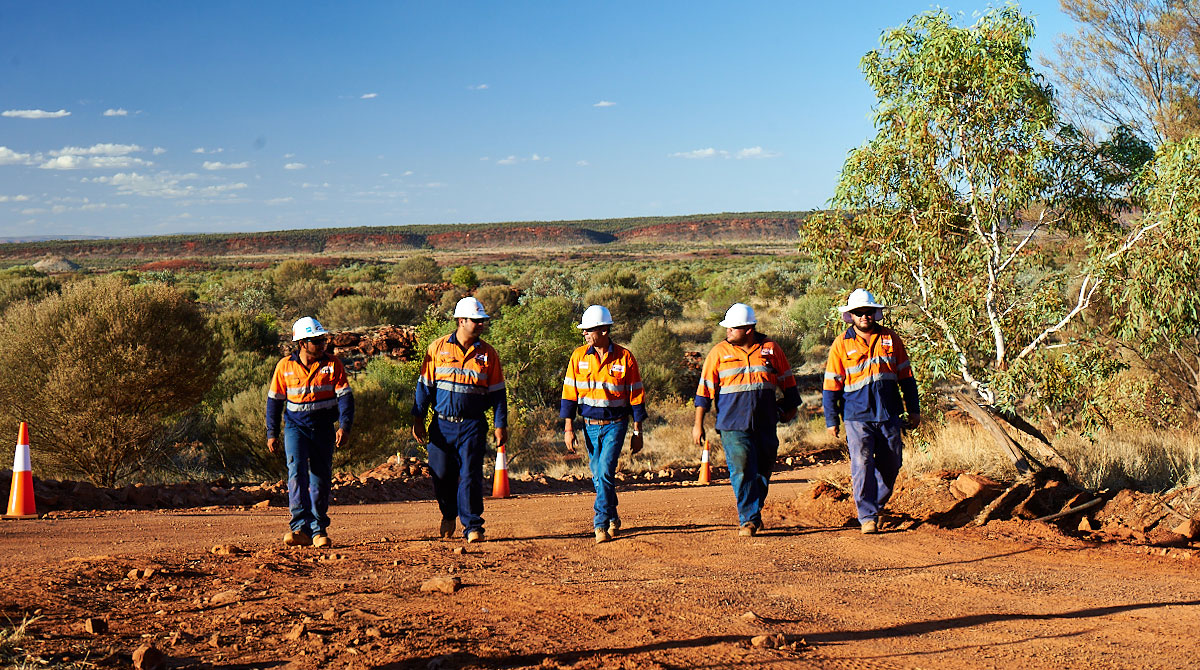
1 in 5 Indigenous Australians in the workforce employed by Indigenous organisations
Dilin Duwa's Indigenous Business and Corporation Snapshot 4.0 highlights the vital role the Indigenous business ecosystem plays in increasing workforce participation and economic empowerment for Aboriginal and Torres Strait Islander people.
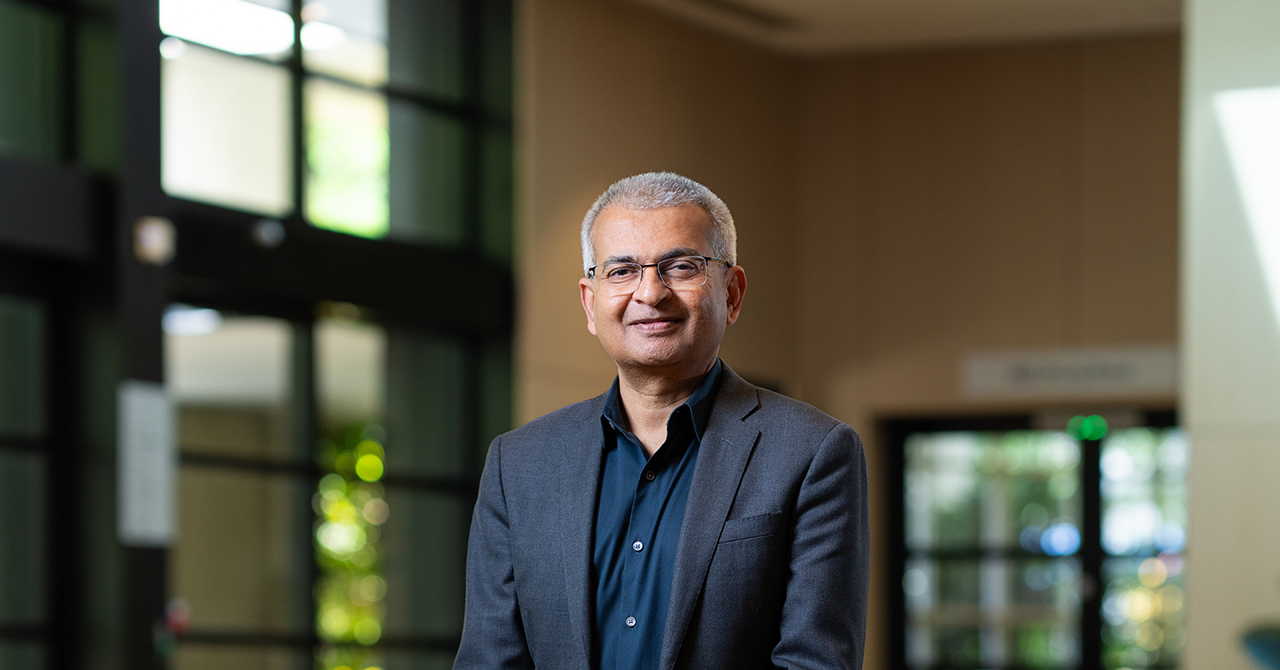
Announcing our new Institute for Digital Innovation and AI
The new initiative will cement Melbourne Business School as a leader in the era of digital transformation, innovation, automation, applied AI, and analytics at scale.

Global study reveals trust of AI remains a critical challenge
New global study reflects the tension between the obvious benefits of artificial intelligence and the perceived risks.
AI’s true potential lies in collaboration not automation
Professor Joshua Gans delivers a powerful message about the power of artificial intelligence at the 2025 Sir Donald Hibberd Lectureship.
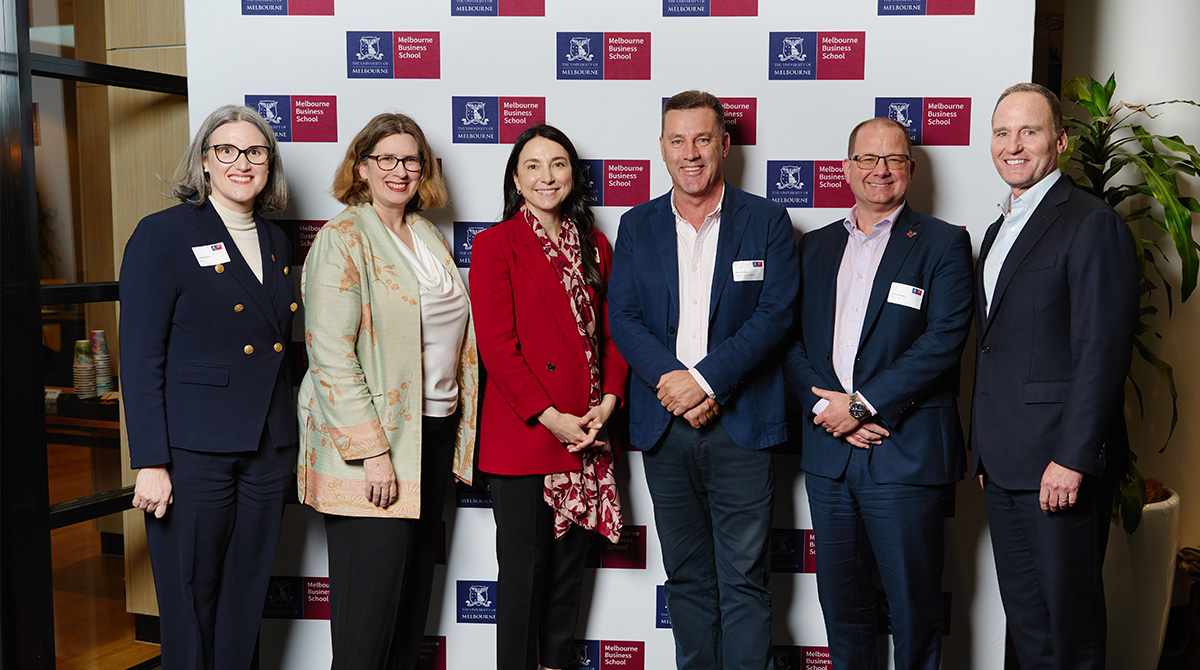
Purpose matters for Australians, report reveals
The Enacting Purpose in Australia Report highlights an increasing number of Australians expect businesses to lead on social and environmental issues.
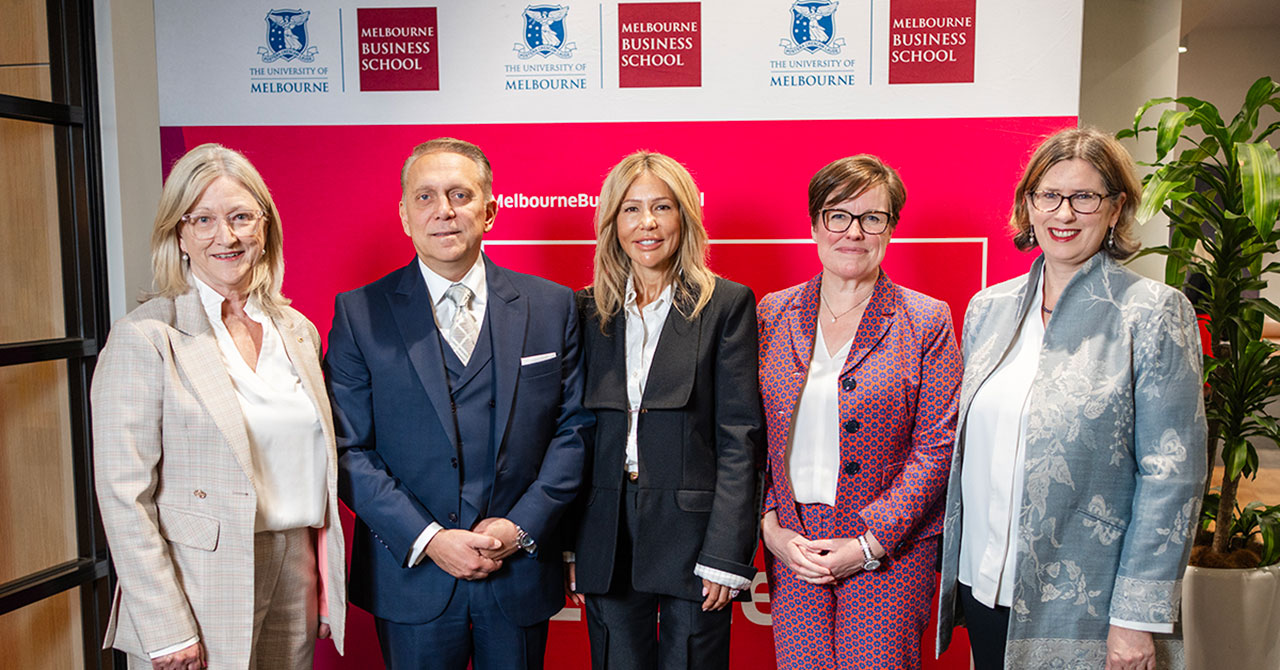
New Academy to transform leadership in the health sector
Thanks to a $7.5 million gift, the Melbourne Business School and University of Melbourne have launched the Bastas Academy of Health Leadership.

Meet our 2025 Clemenger BBDO Scholarship Recipient
Daniel Ware was awarded the prestigious 2025 Clemenger BBDO Scholarship to pursue a Master of Marketing.
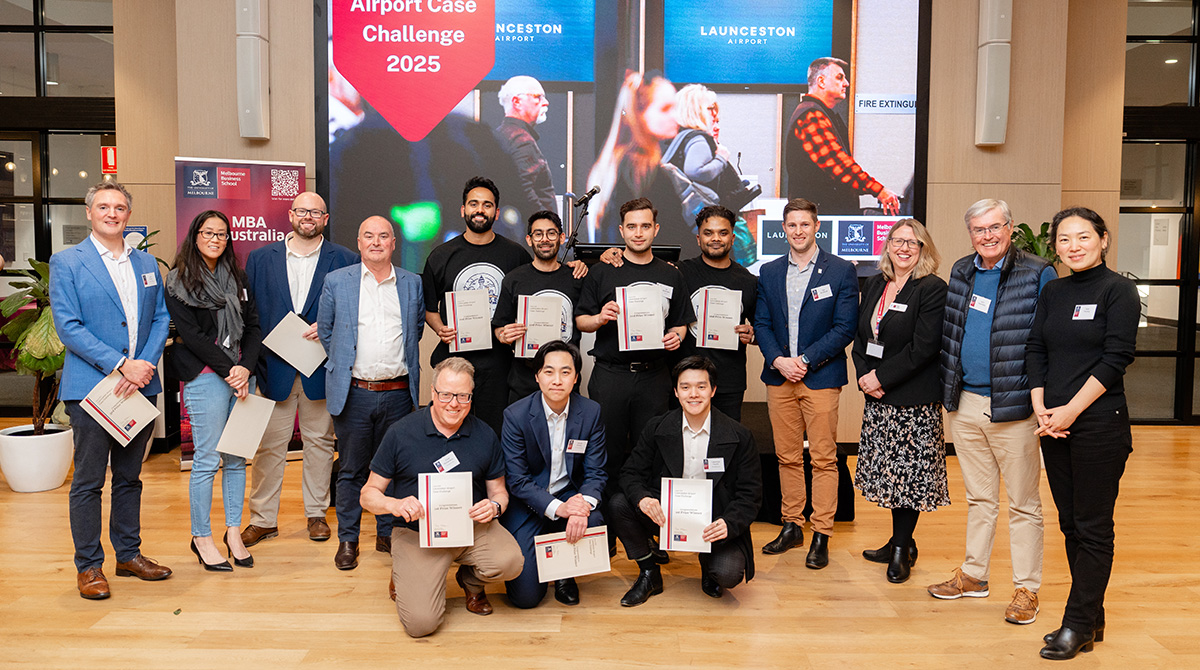
Introducing the 2025 Launceston Airport Case Challenge winners
A team of Part-Time MBA students who started in April this year have won the 2025 Launceston Airport Case Challenge.
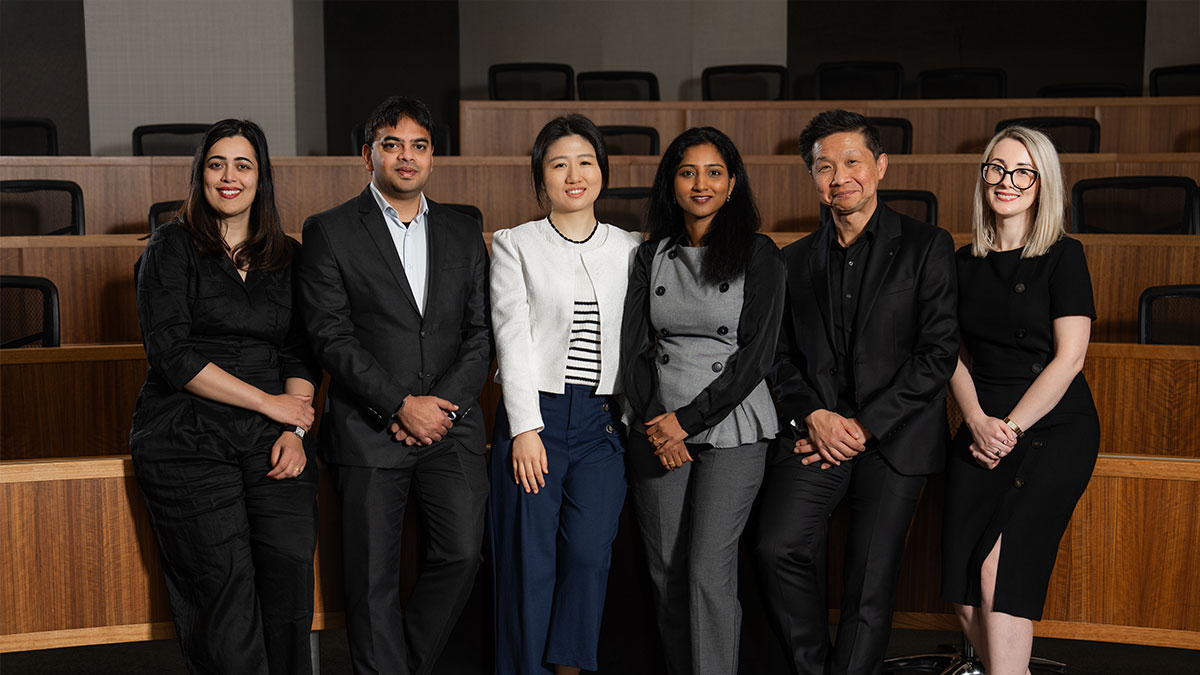
The MBS students behind health tech startup VitalsVault
Six Executive MBA students and one Part-Time student have co-founded VitalsVault, a health app removing barriers for effective treatment.
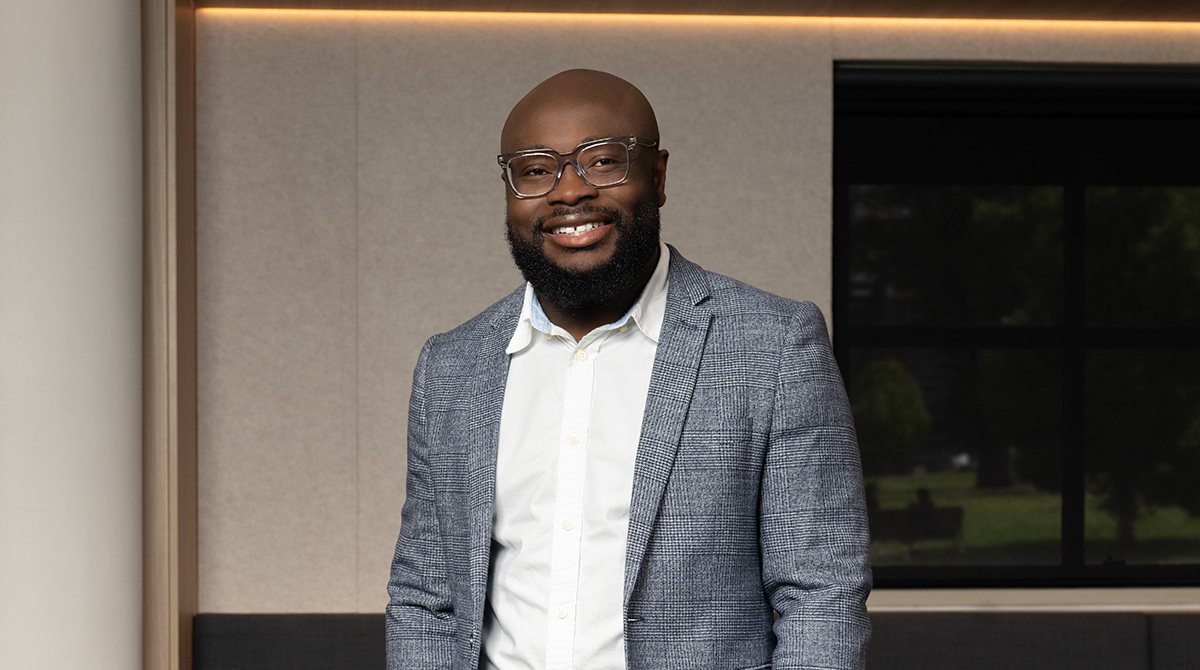
Made. Not born: Why investing ‘wealth in people’ pays dividends
Associate Professor Samuelson Appau says he wouldn’t be where he is today without Melbourne Business School taking a gamble on a 23-year-old from Ghana.
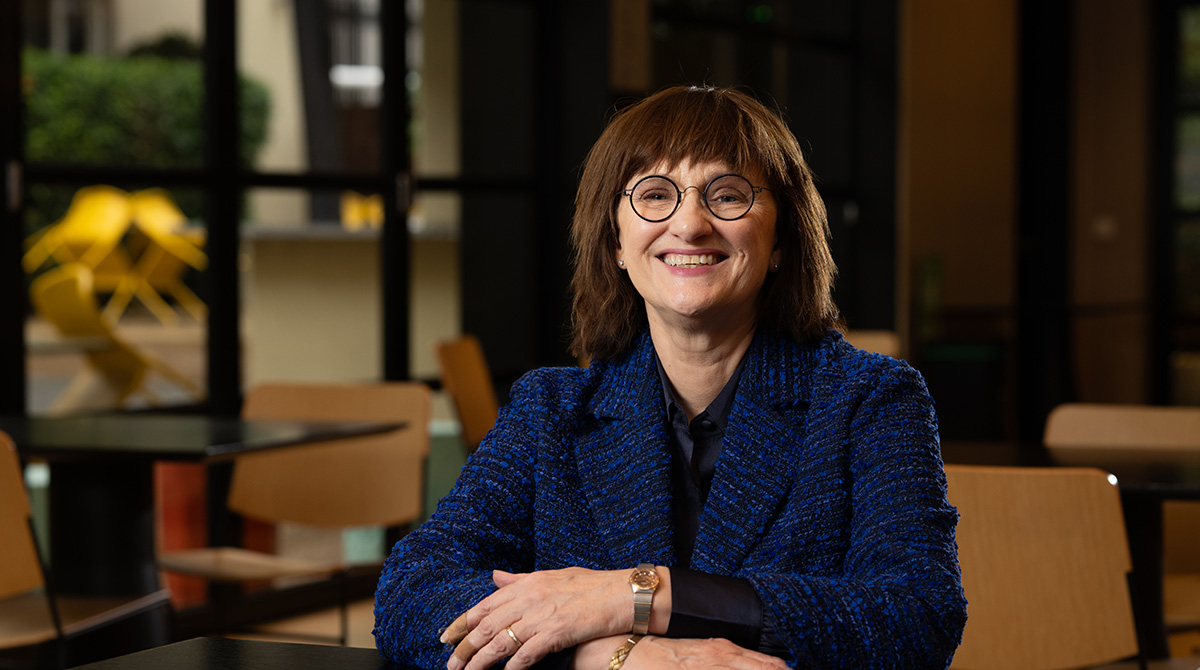
Professor Mara Olekalns receives Lifetime Achievement Award
Professor Olekalns found her calling in conflict resolution while managing a large-scale change initiative in the public service.

Research shows how leaders can prevent white collar crime
A study of inmates at a US prison has revealed what drives white collar criminals to commit professional misconduct, and the practical steps organisations can take to prevent it happening in their workplace.

#IWD26: Three tips for accelerating equality using male champions
Research explores the concept of male champion groups as an innovative change strategy, providing recommendations on how to improve their impact.

What ballet dancers teach us about perfectionism at work
New research on ballet dancers delves into the experience of perfectionism and how organisations can promote high achievement without encouraging self-destructive behaviour.

A woman's menstrual cycle has no effect on her ability to think
New study into the link between cognition and menstruation dispels the myth that women are unable to make consistent and rational decisions at work.

Women executives linked to better workplace safety records
A recent feature in Forbes explores the research of Professors Leon Zolotoy and Don O'Sullivan on the impact of female leadership on workplace safety.
Supporters
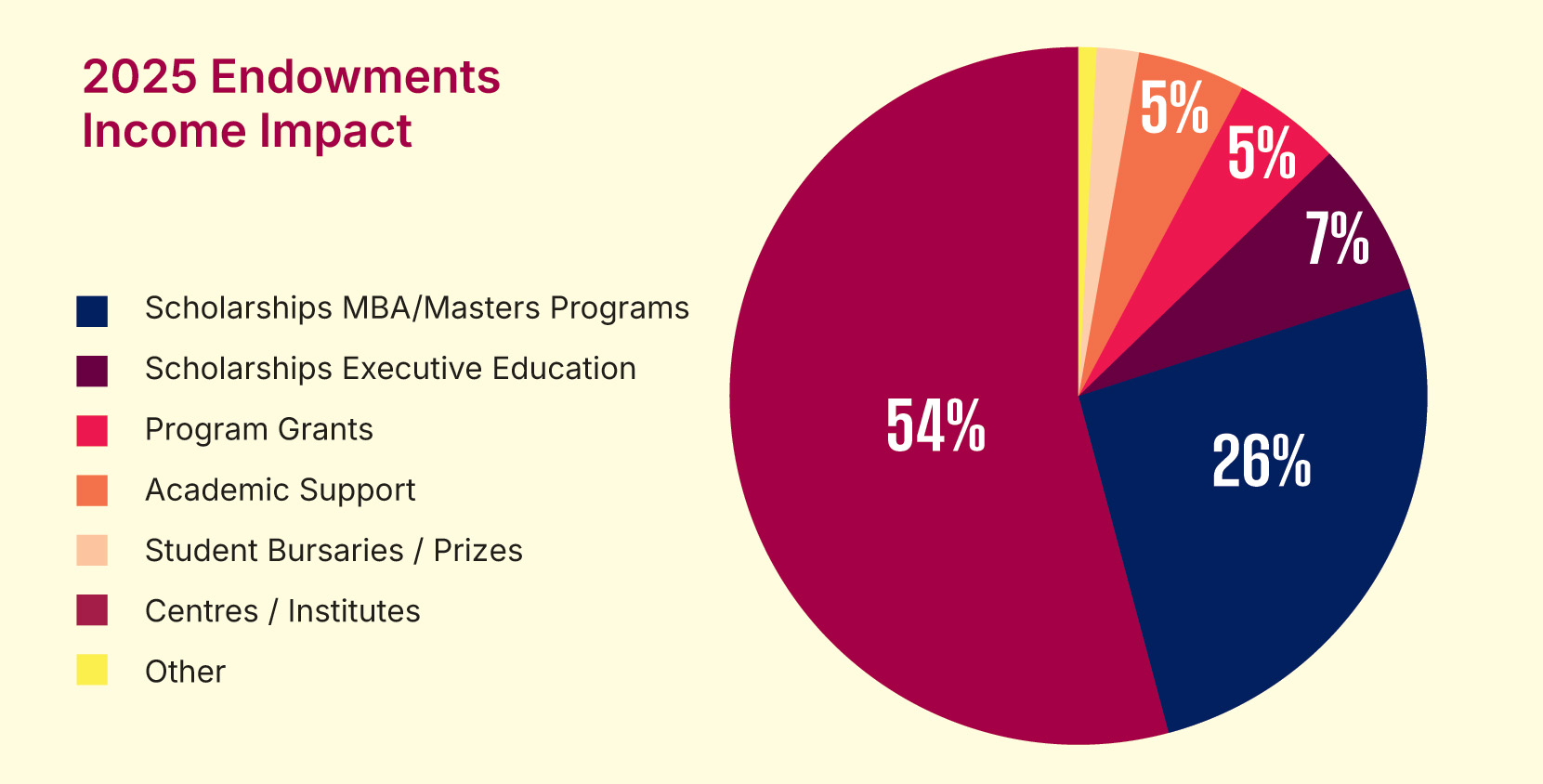 2025 Endowment Income Impact
In 2025 Melbourne Business School received $11.99m in cash income and secured $14.41m in new agreements from our supporters.
Throughout the year, our new Centres and Institutes gained significant momentum. Having established a clear strategic direction and a strong focus on delivering impactful research, education and programs for the business and social purpose sectors, they secured significant corporate and philanthropic funding.
$11.99m
in cash income
$14.41m
in new agreements
This includes funding from Wesfarmers, Coles, Orica and BHP who have joined as founding partners of the School’s new Sustainable Value Creation Institute. The Institute headed up by Professor Will Harvey conducts research addressing current problems facing the business community. It is focused on three key themes - creating sustainable value, building the leadership capability of Australian boards and management, and convening Australia’s top executives for cross-sector dialogues.
We were also thrilled with receiving the continuing support from Wayne Patten who continues to ensure he can provide the same opportunity he experienced by establishing two scholarships to provide full tuition fees for Australian students commencing an MBA with an undergraduate degree in Artificial Intelligence, Engineering, IT or Science.
Through the ongoing support from WISE, and new funding secured from CSL, 34 leaders from the not-for-profit were able to undertake our Emerging Social Purpose Leaders program.
We are grateful for the continued support of our long-standing alumni donors and members of the Dean’s Circle for providing opportunities for emerging business leaders each year. In particular, thank you to the Prior Family Foundation who contributed two scholarships for Indigenous entrepreneurs and professionals to attend our MURRA Indigenous Business Leadership Program.
Our donor endowments continue to make an impact. Established through the foresight of our supporters, they provide enduring support for scholarships, awards, and teaching and learning activities. At the end of 2025 these endowments were valued at $15.3m and $750k was distributed across the School. These critical long-term investments support our strategic research and program work including the Centre for Social Purpose Organisations (HMST and MBS) established to help not-for-profit organisations to be strategic, sustainable and impactful; and MBA access scholarships for those in social purpose work and those who with financial constraints (Grateful Graduate, HMST, SEMBA 2003).
- Endowments
- Lifetime Patrons
- 2025 Dean's Circle
- 2025 Donors
- 2025 Corporate Partners
Clemenger BBDO Scholarship
Grateful Graduate Fund
H.J. Heinz Scholarship
Helen Macpherson Smith Fellowship
Helen Macpherson Smith Trust and Melbourne Business School
John Clemenger Prize & Scholarship
Senior Executive MBA Class of 2003
Sir Donald Hibberd Lectureship
|
A.T. Kearney Adrian Hibberd AM Allan Reid (MBA 1970) BP Australia Charles & Cornelia Goode Foundation Charles Goode AC Christine Penfold Clemenger BBDO Frank Zipfinger (SEMBA 2003) Greater Melbourne Foundation |
Helen Macpherson Smith Trust Ian Kirk (MBA 1998) Jan Begg (SEMBA 2003) John Dahlsen (MBA 1969) John Kennedy Kraft Heinz Krystyna Campbell-Pretty AM Margaret Lawrence Bequest Maurice Crotti AO (MBA 1974) News Corp Australia |
Orford Foundation Peter Clemenger AO Philip Cormie (EMBA 2002) Reid Malley Foundation Robert Craig (MBA 1995) Ross Barker (MBA 1980) Sally Holloway in memory of Peter Doherty (SEMBA 1990) San Remo Telstra Vicki Allen (SEMBA 2003) Visit Victoria |
|
Alison Hardacre (MBA 2002) Andrew John Boundless Earth Limited Branko Panich (MBA 2000) Chris Freeland AM (MBA 1996) Christelle Young (MBusA 2016) Christopher Crozier (MBA 1998) Christopher Thomas AM (MBA 1976) Darryl Ward (MBA 1994) Derek Thomson (MBA 1999) Dominic Rudd (MBA 2005) Egon Zehnder International S.A. Enrica Centorame Evans 5 Fund Forethought |
Ian Harper AO James McKay (MBA 2000) Jan Begg (SEMBA 2003) Jane Tongs (SEMBA 1994) Jenny George Jim Frederickson John Chambers John Dahlsen (MBA 1969) John Sabljak (MBA 1994) Margaret Lawrence Bequest Marianne Broadbent (PhD 1991) Martin Hosking (MBA 2014) Mithran Doraisamy (MBA 1994) Pete Manasantivongs (MBA/MMktg 2009) Peter Nicholas (SEMBA 2003) |
Prior Family Foundation Quanxi Liu (MBA 2013) Robert McGauran Sally Mukii Scanlon Foundation Scanlon Foundation Research Institute Social Impact Hub Foundation Su-Peing Ng (MBA 2000) Terence Sing Lee (MBA 2014) Trawalla Foundation Umang Malik (MBA 1996) Vicki Allen (SEMBA 2003) Wayne Patten Xiaoling Liu Yun Sheng Chin (MBA 2017) |
|
Cheryl Cohan (EMBA 2011) David Moss (MBA 1997) Denise Ho (MBA 2004) John Vansetten (MBA 1980) Karen Murphy (MBA 2009) |
Mohan Puttaswamy (MBA 2012) Simon Pritchard (MBA 2002) Tan Family, a Charitable Fund Account of Greater Melbourne Foundation Thiam Soon Sim (MBA 1986) Vivek Joseph (MBA 2023) |
|
AustralianSuper BHP Group Coles Group CSL Innovation Orica Trinity College (University of Melbourne) and Gouraly Charitable Trust Wesfarmers WISE |
Invest in Leaders who Drive Change
When you give to Melbourne Business School, you fund scholarships, research and programs that turn good ideas into impact, driving lasting change for communities, society and a sustainable future for us all.
This end of financial year, your gift makes that possible. Make a tax-deductible donation by 30 June 2026.
Make a giftEvents Gallery
Dean's Leaders Forum
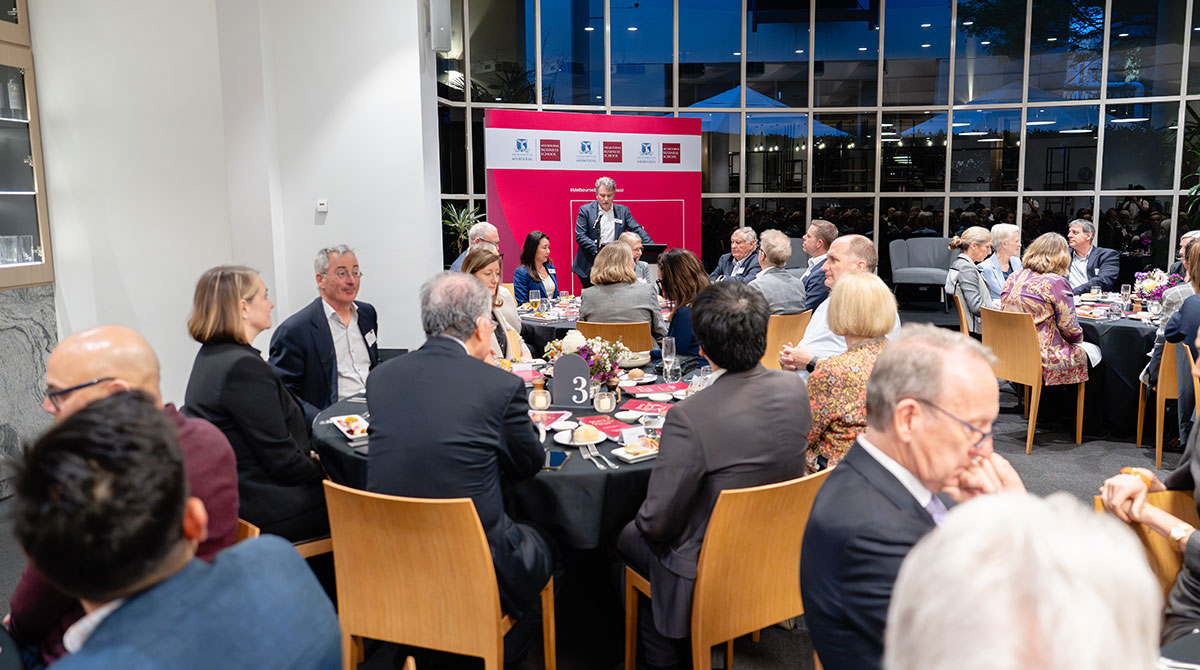
Dean's Leaders Forum

Dean's Leaders Forum
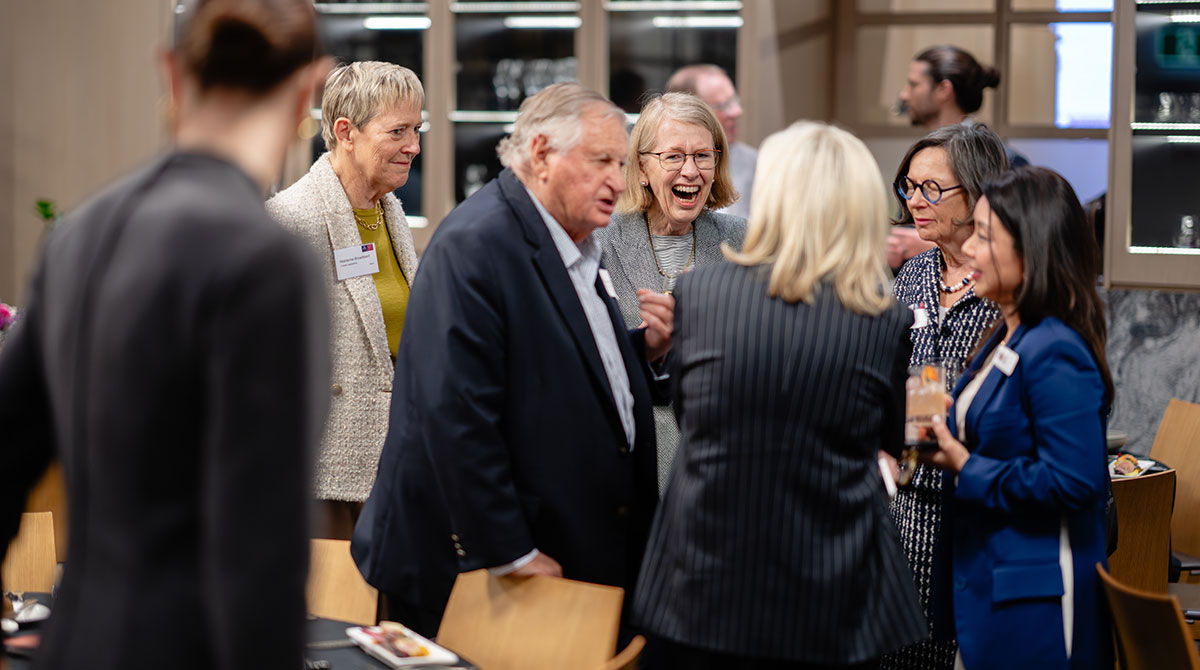
Dean's Leaders Forum
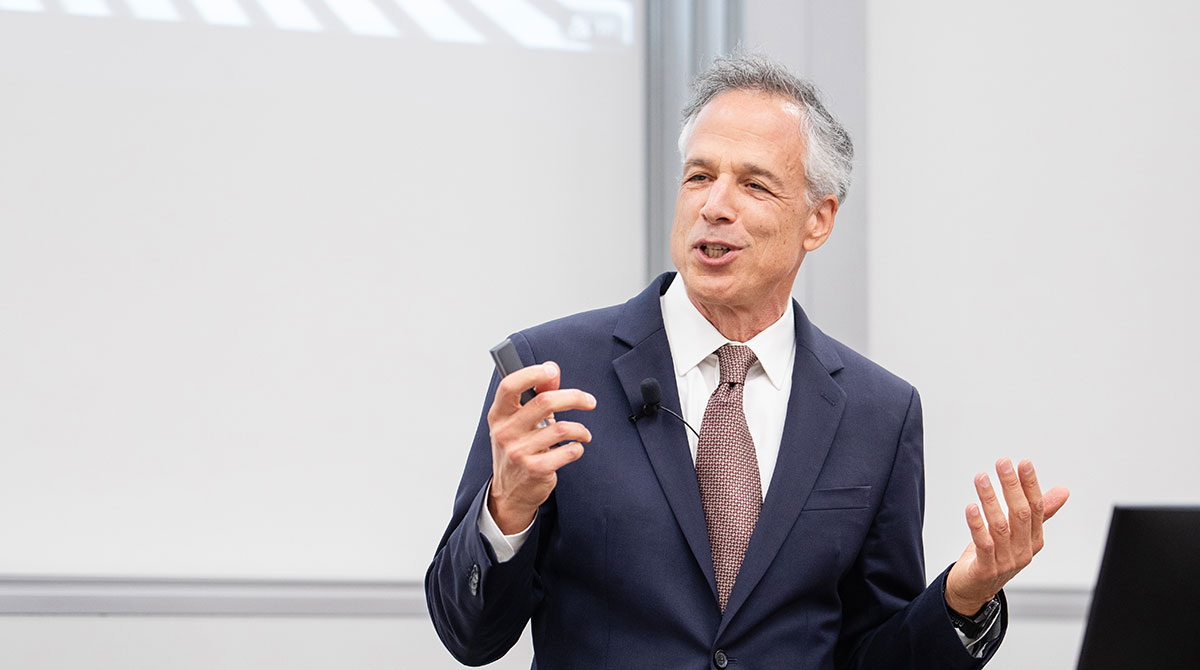
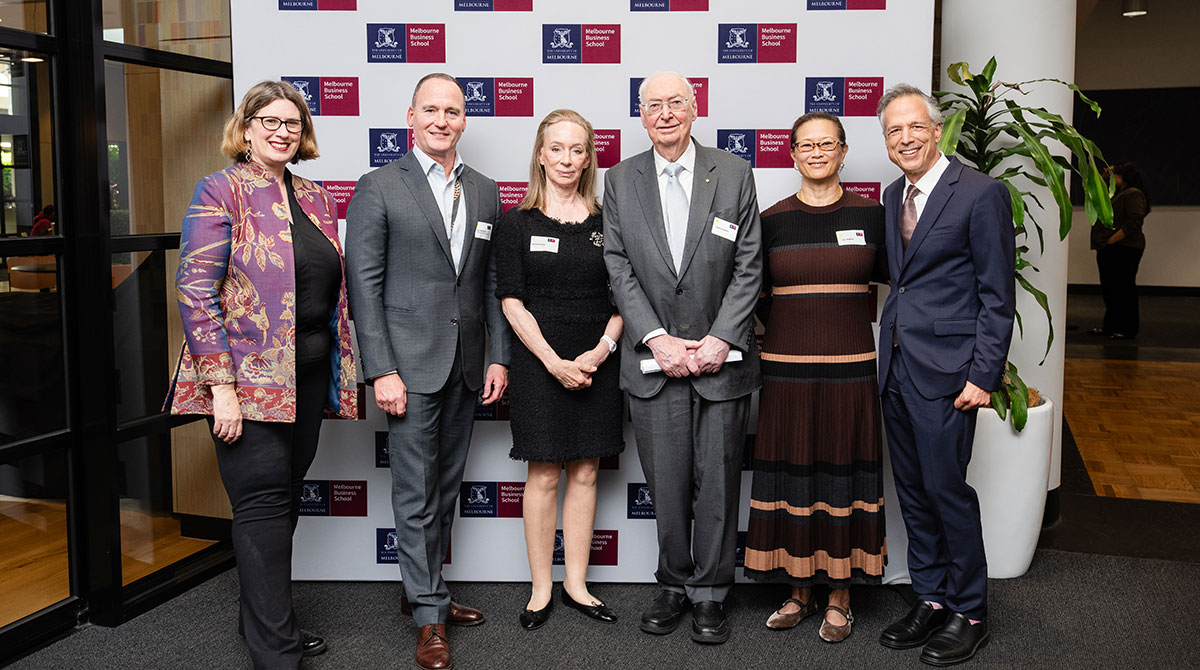
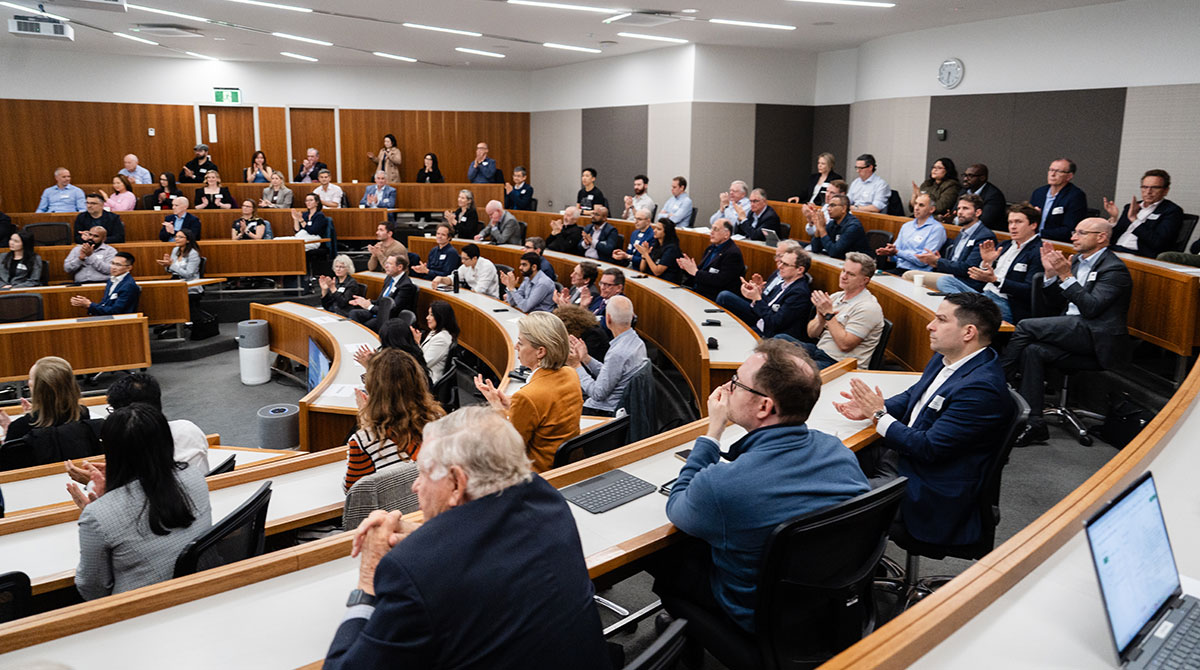
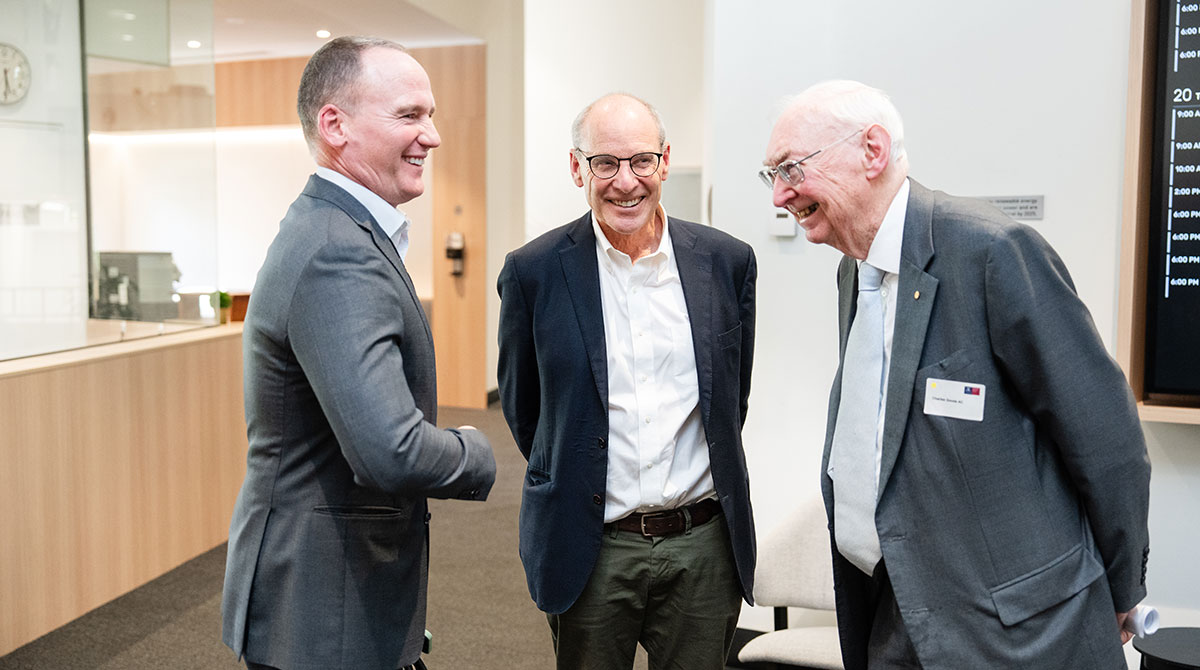
Charles Goode Oration
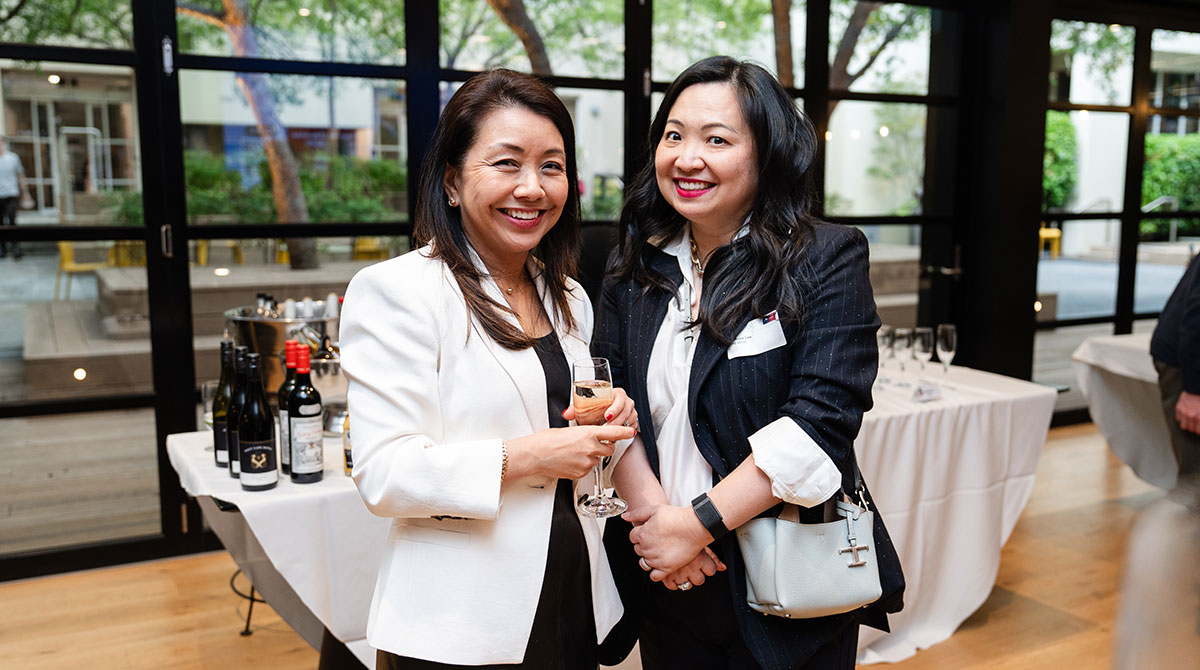
Charles Goode Oration
Charles Goode Oration
Charles Goode Oration
Charles Goode Oration
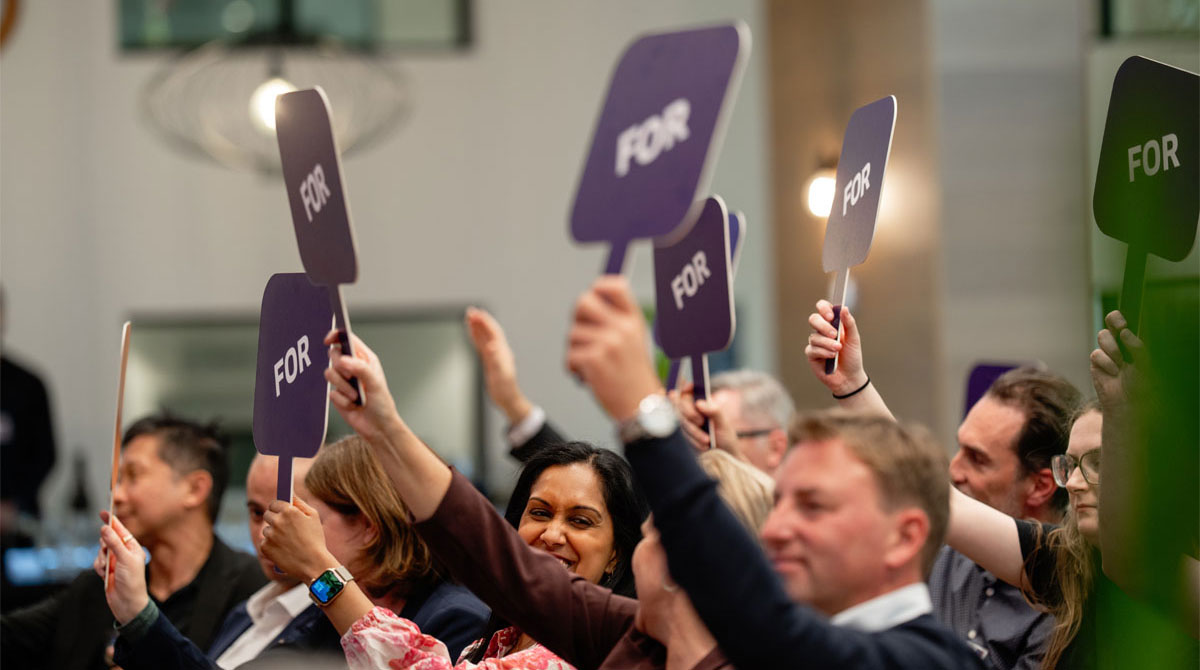
Melbourne School Debate
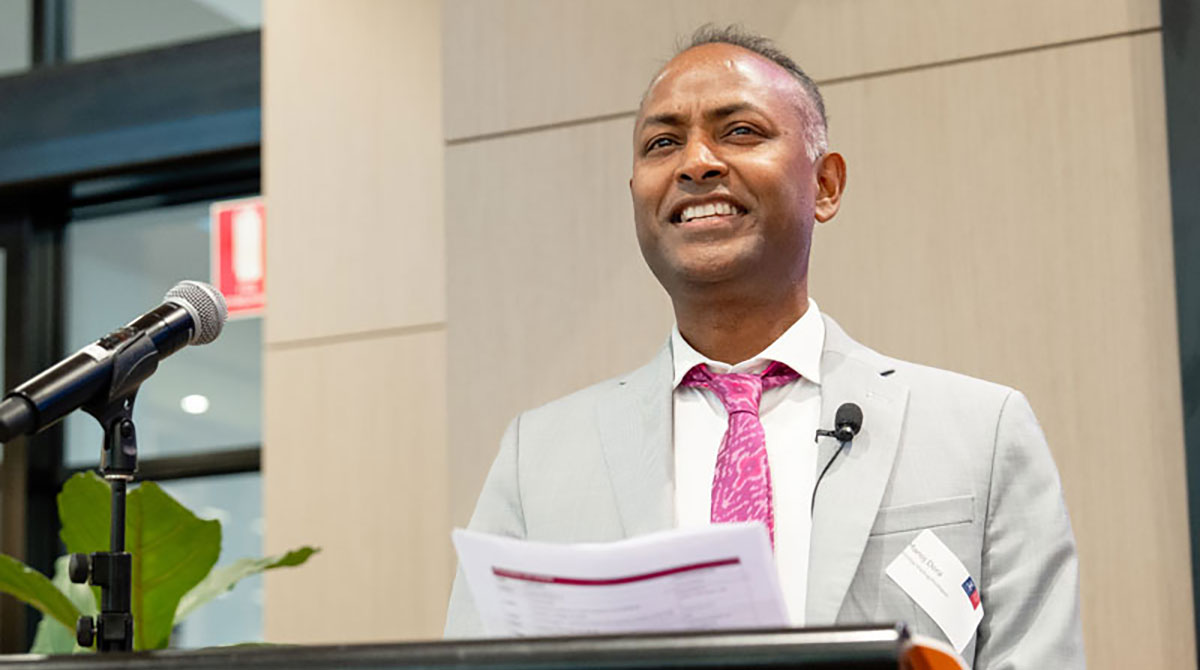
Melbourne School Debate
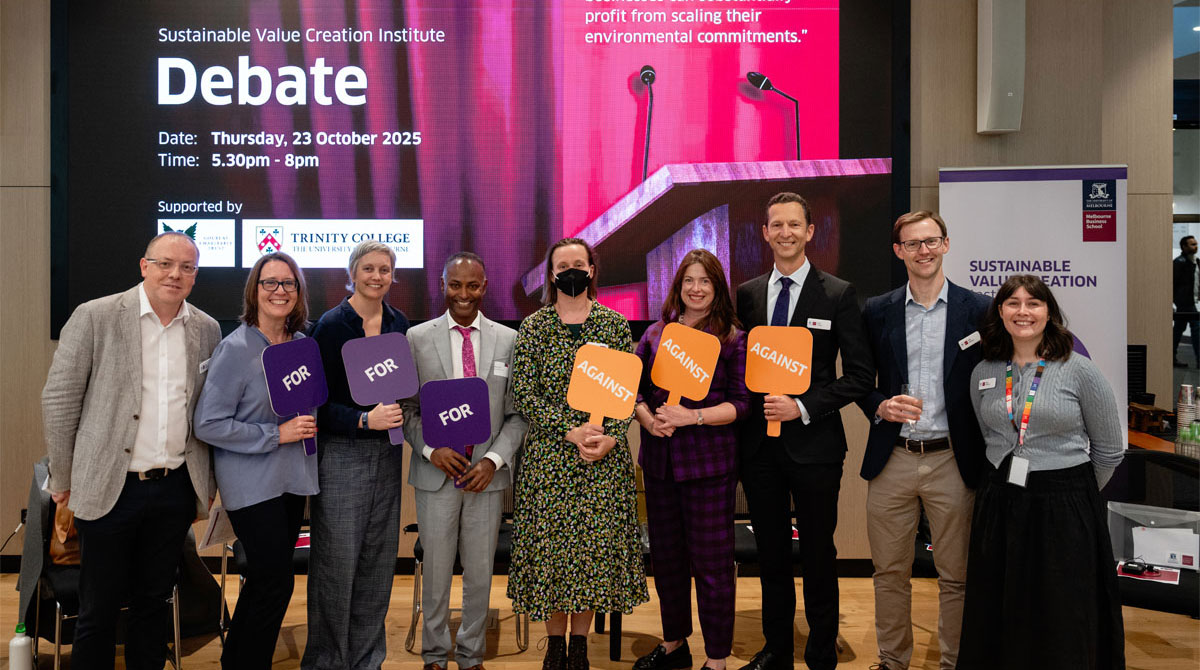
Melbourne School Debate
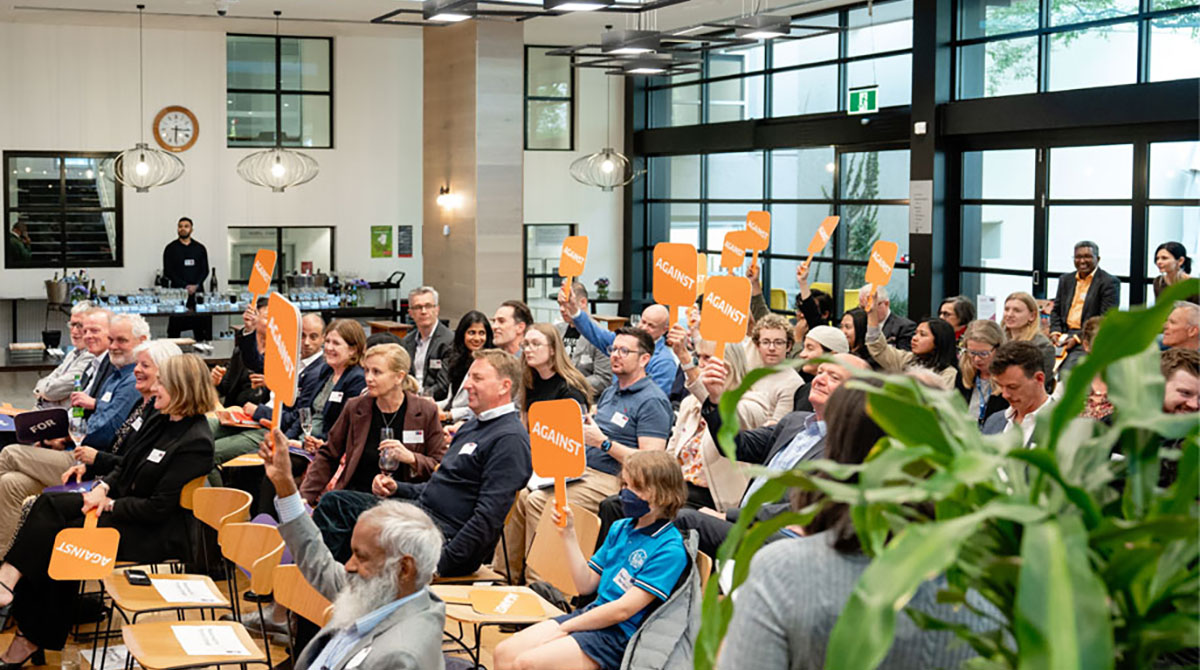
Melbourne School Debate
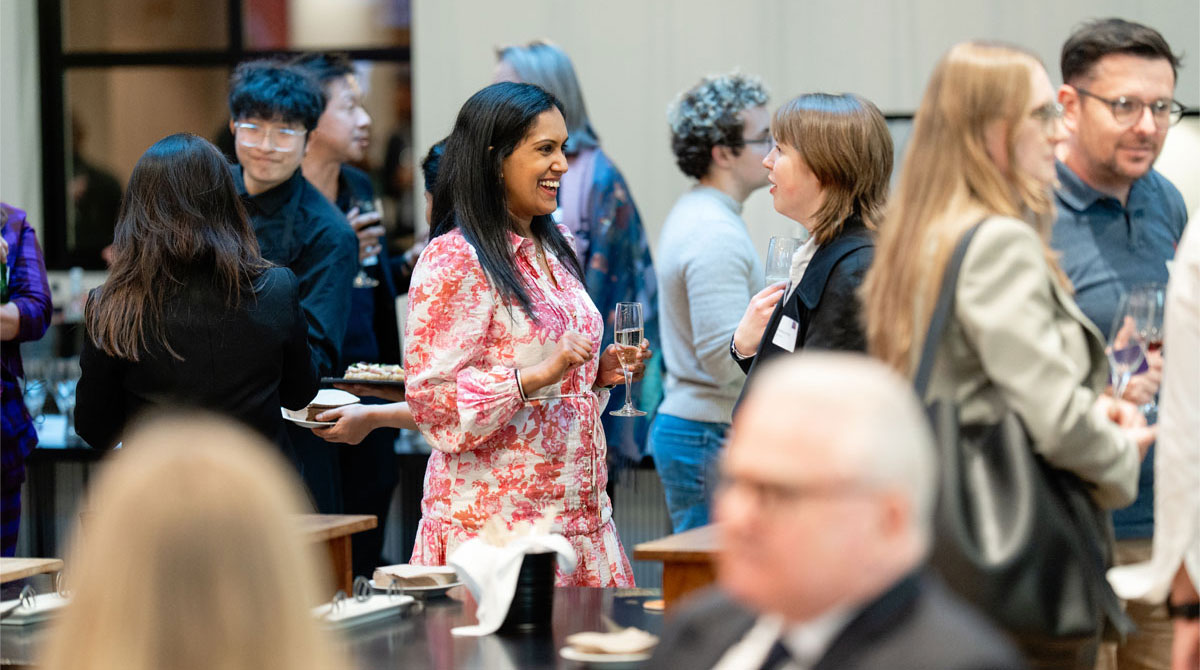
Melbourne School Debate
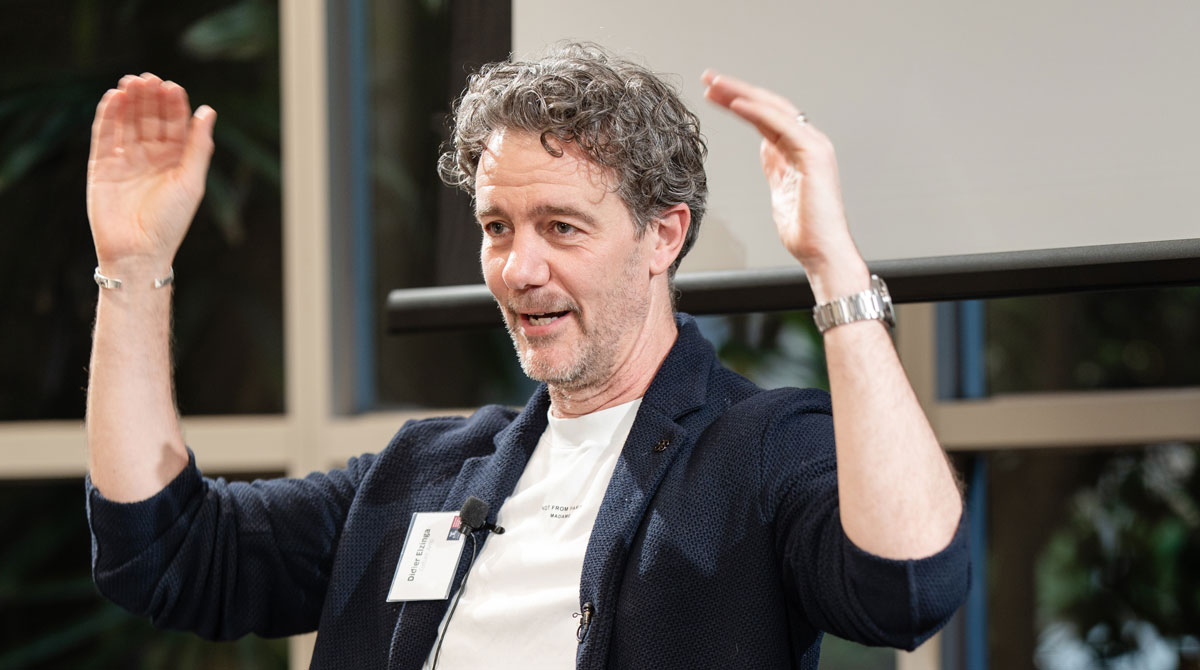
Institute of Digital Innovation and AI Dinner
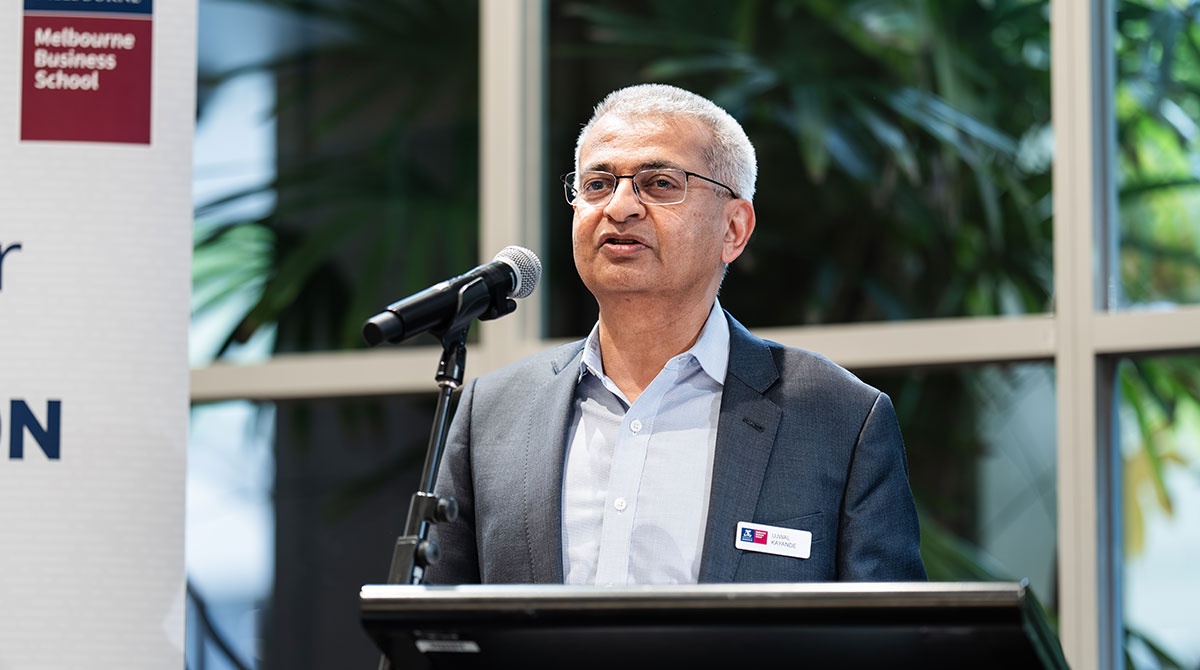
Institute of Digital Innovation and AI Dinner
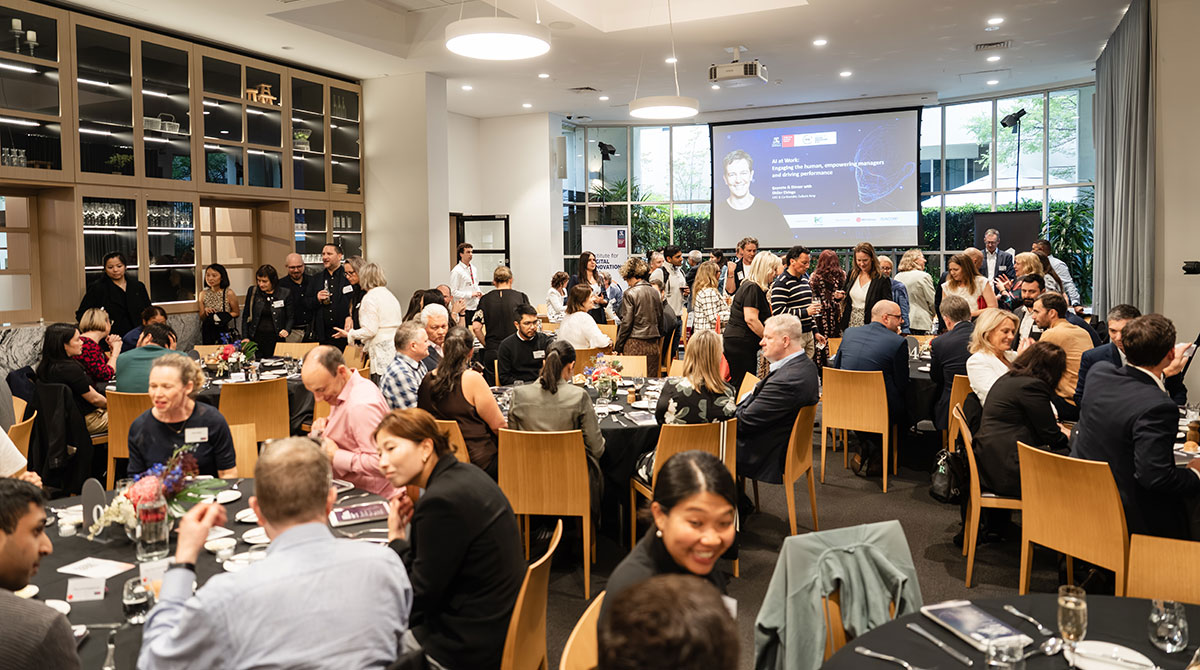
Institute of Digital Innovation and AI Dinner
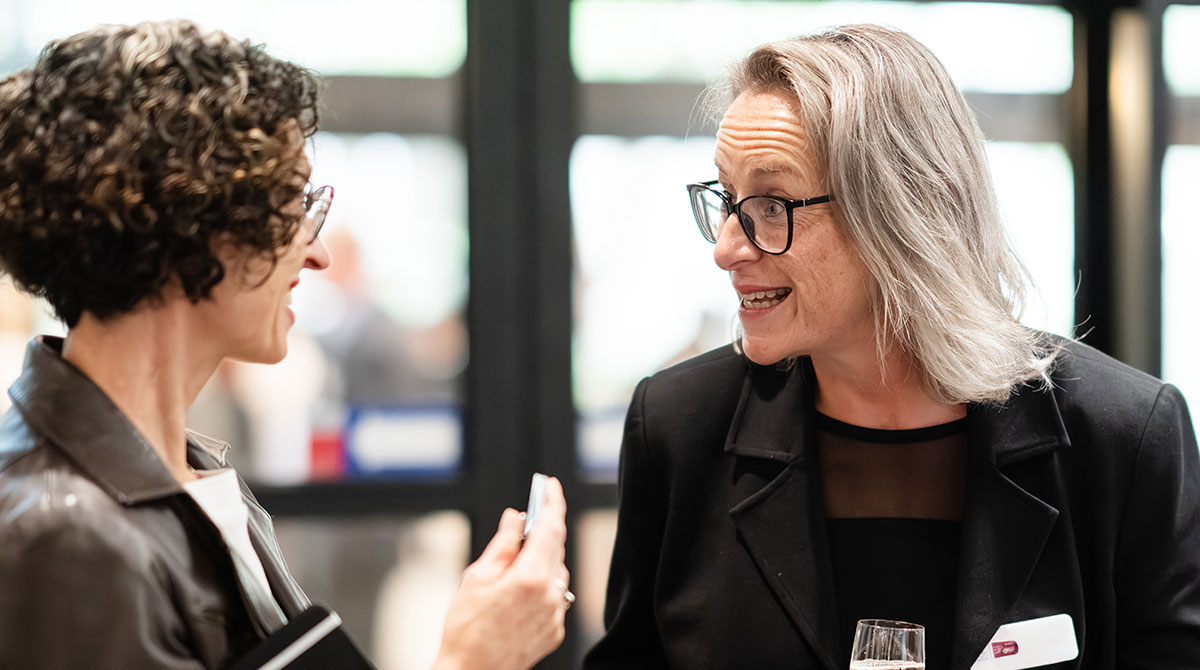
Institute of Digital Innovation and AI Dinner

Institute of Digital Innovation and AI Dinner
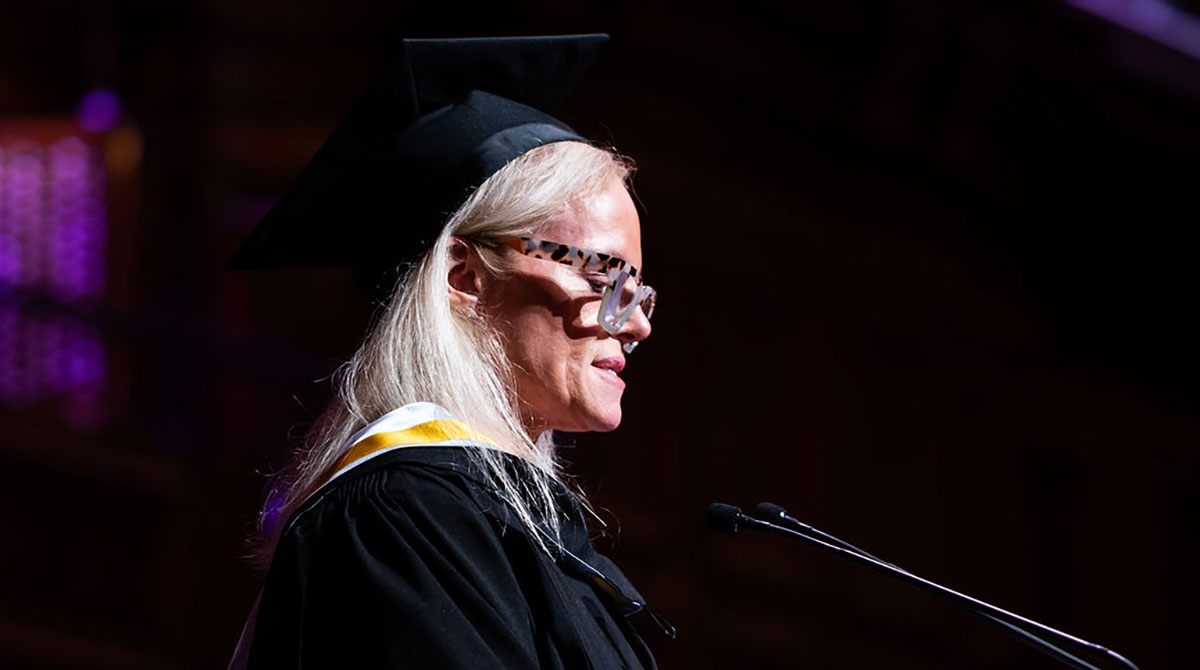
Graduation 2025
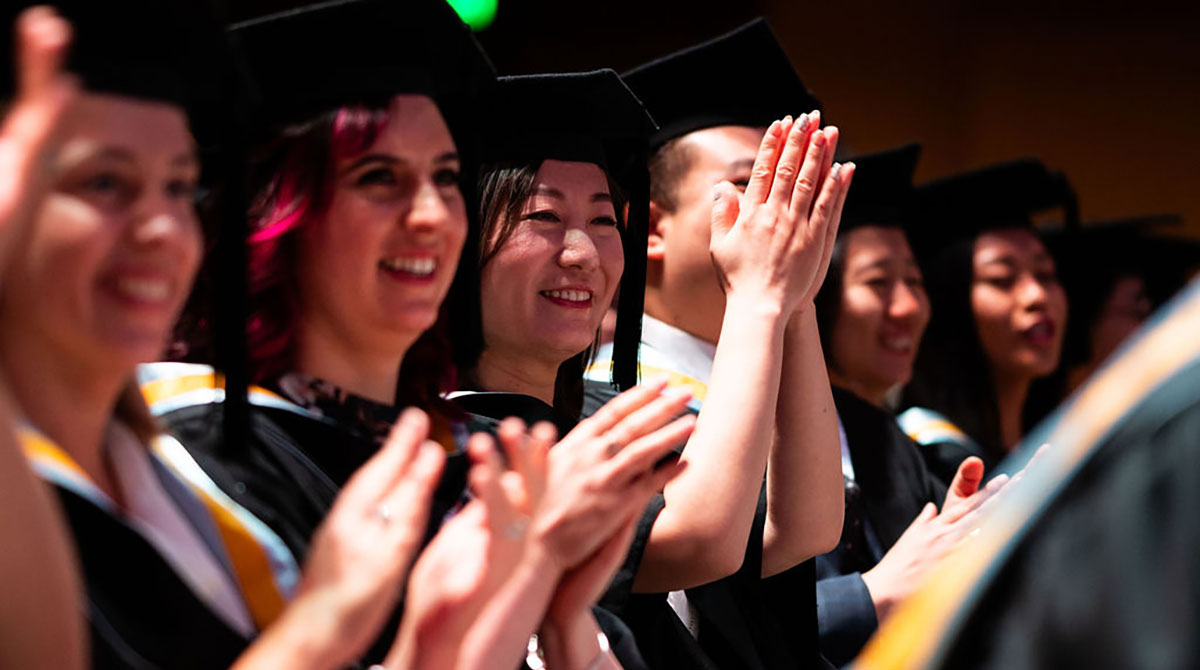
Graduation 2025
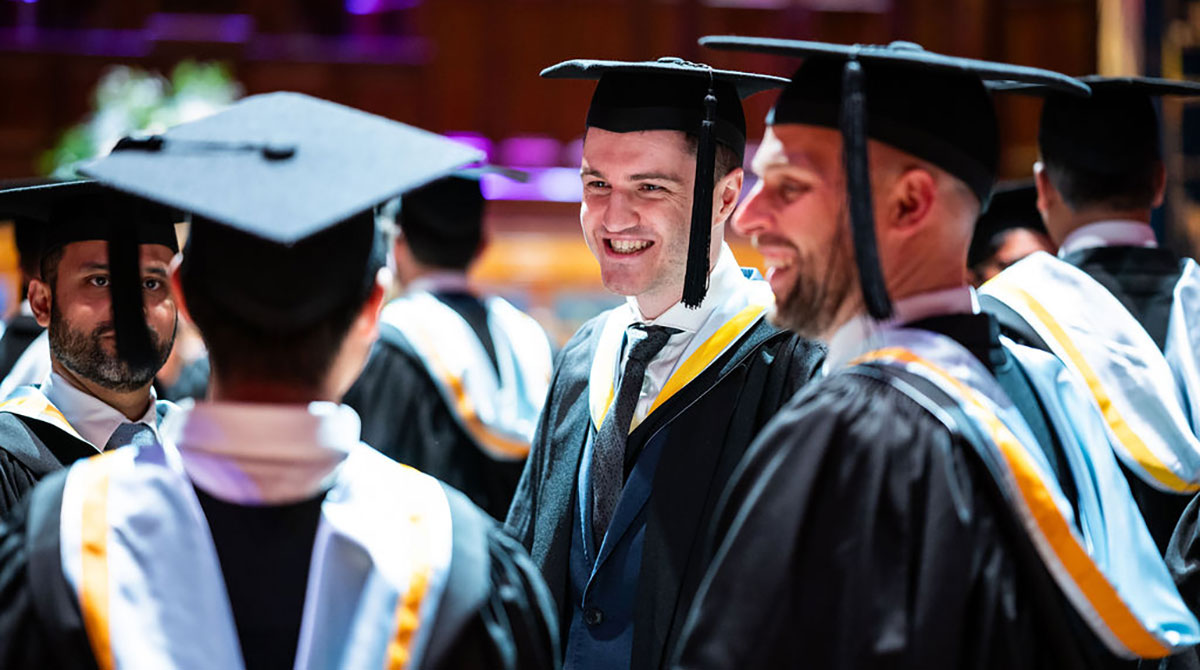
Graduation 2025
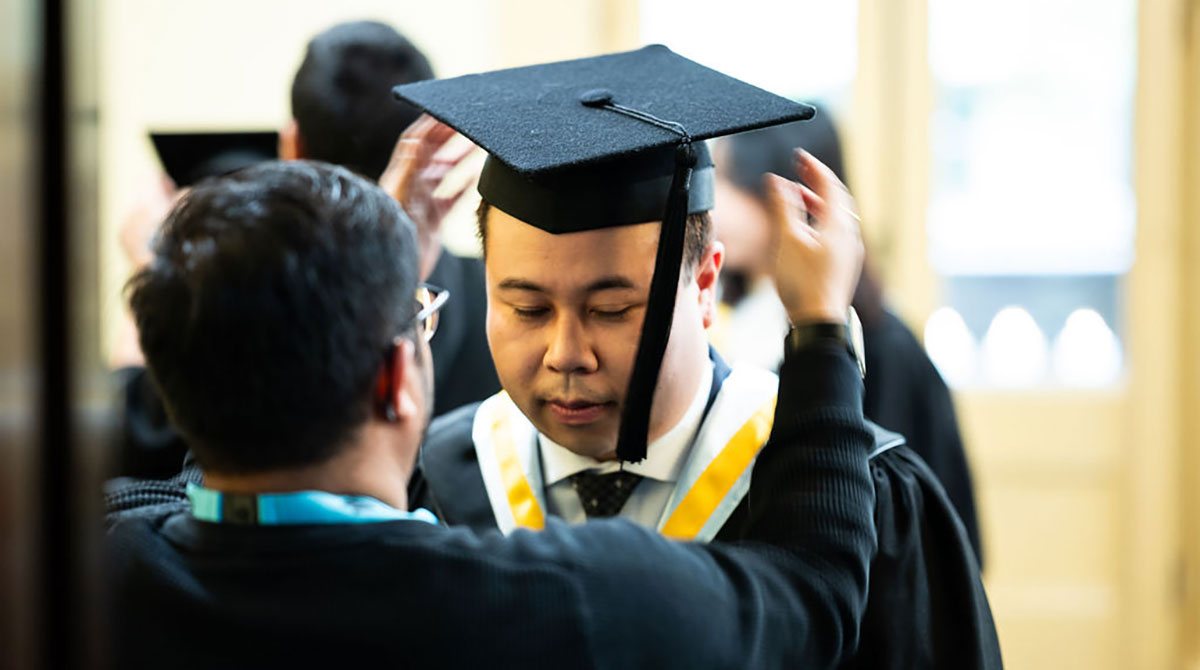
Graduation 2025
Graduation 2025
Graduation 2025
About Melbourne Business School
Melbourne Business School is where the world's brightest minds come to develop the skills they need to be the leaders of tomorrow.
As the University of Melbourne's graduate school in business and economics, Melbourne Business School is the home of Australia's top-ranked MBA and business analytics degrees, and a trusted executive education partner to some of the largest organisations in Australia and South-east Asia.
With a purpose to unleash ideas and leaders for a sustainable future, the School's vision is to be among the top-ranked providers of business education within the Asia-Pacific region, the first choice for students and clients seeking award and non-award business education, and to be esteemed globally as a leading supplier of academic and business research.
The School was established in 1955 and emerged directly from Melbourne’s business community, driven by a shared belief that Australia needed rigorous, dedicated business education. That connection continues and the School is still jointly owned by the University and the business community to this day.
This long connection to industry is one of the School's greatest strengths, as evidenced by recent initiatives including the Bastas Academy for Health Leadership and the new Sustainable Value Creation Institute.
It ensures that what we teach is grounded in addressing real-world business problems.
The School also has a deep sense of social purpose, with long-standing commitments to supporting gender equity in leadership, providing economic empowerment to Indigenous Australians and helping organisations become more environmentally sustainable.
The School's programs are accredited by AACSB and EFMD (EQUIS), and the School is a member of the UN Principles for Responsible Management Education initiative.
Our Purpose
We unleash ideas and leaders for a sustainable future.
This purpose informs how we teach emerging leaders, who measure success by the impact they have on the people around them and the broader community.
Our hope is that these leaders will create and protect economic growth, social equality, shared prosperity and environmental resources for the benefit of all.
Our Guiding Principles
Be Respectful
Act with Integrity
Be Accountable
Strive for Excellence
Promote Diversity
Work Collaboratively
Encourage Experimentation
Made. Not born.
Transform yourself. Transform your career.

The Making of a BOSS
Made, Not Born: From regional Australia to Young Executive of the Year

Turning career ambition into leadership impact
Mandy’s MBA transformed early career exploration into leadership, ambition, and a clear focus on social purpose.

From grassroots to national impact
When Lyndon Galea heard kids at his local school in Shepparton were going hungry, he turned up with sandwiches. That initial act has now evolved into a national organisation, guided by strategy and continual learning.